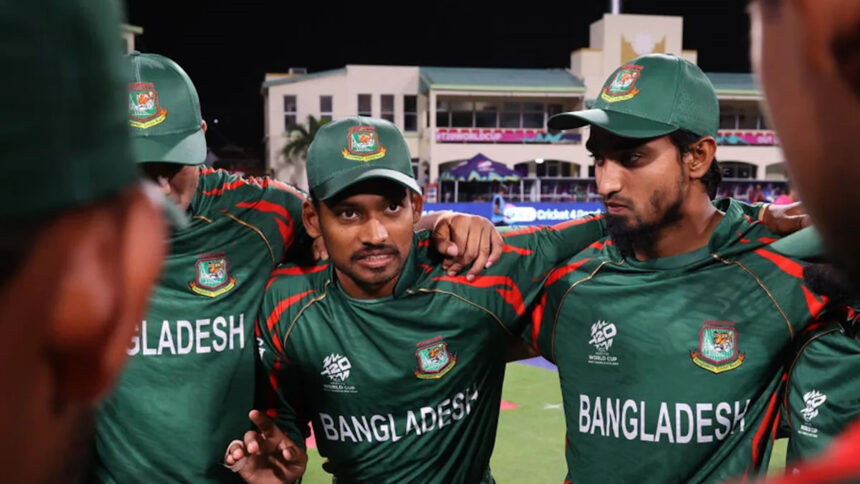
Bangladesh Digs In: T20 World Cup Participation Hangs on Fixture Standoff
The stage is set for a high-stakes diplomatic and sporting showdown that threatens to derail one of cricket’s premier events. With the T20 World Cup just weeks away, Bangladesh’s participation is under a cloud of profound uncertainty. The nation’s cricket board has taken a defiant stance, refusing to back down in a bitter row over the location of its matches, placing its World Cup future in the hands of a tense 24-hour deadline from the sport’s global governing body. This is not merely a logistical dispute; it is a collision of geopolitics, security perceptions, and sporting principle that could reshape the tournament’s landscape.
A Firm Demand and a Swift Rejection
The crisis erupted when the Bangladesh Cricket Board (BCB) made an unprecedented formal request to the International Cricket Council (ICC). Their plea was clear: move all of Bangladesh’s scheduled group-stage matches out of India due to pressing safety and security concerns for its players and fans. The BCB pointed to the growing political tensions between the two South Asian neighbors, a backdrop that they argue creates an untenable environment for competition. Their proposed solution was straightforward—relocate the matches to co-host Sri Lanka, a nation they perceive as a neutral and secure venue.
The ICC’s response was swift and unequivocal. On Wednesday, the global body flatly rejected Bangladesh’s appeal, stating its security experts found an “absence of any credible security threat” to the team in India. The ICC underscored that India, as a host, had provided comprehensive security assurances in line with the strict protocols of any global sporting event. In a move that escalated the pressure, the ICC then delivered an ultimatum to the BCB: consult with your government and confirm your participation within 24 hours. The clock is now ticking on a decision that could see a top cricketing nation withdraw from a World Cup.
Between a Rock and a Hard Place: The BCB’s Dilemma
For BCB president Aminul Islam Bulbul, the stance is one of principled insistence, not mere obstinacy. His now-defining quote, “Our only demand is to play the World Cup – but not in India,” encapsulates the board’s precarious position. The BCB is caught in a multi-layered bind:
- Government Pressure & National Sentiment: The board is likely responding to directives or strong advisories from Dhaka. In an atmosphere of bilateral strain, the government may view sending a national team to India as politically sensitive.
- Duty of Care: Regardless of the ICC’s assessment, the BCB must answer to its players, their families, and a passionate public. The perception of risk, credible or not, carries immense weight.
- Sporting Legacy & Financial Repercussions: Withdrawal would be a catastrophic blow for Bangladeshi cricket, denying a generation of stars a World Cup platform and incurring massive financial penalties and potential ICC sanctions.
Expert analysis suggests the BCB’s hardline position may be a final, desperate bargaining chip. “This is a high-risk gambit,” notes seasoned cricket journalist Farid Ahmed. “The BCB knows the ICC is extremely unlikely to alter a complex hosting schedule at this late stage. They are not truly expecting to move to Sri Lanka. This is about forcing the ICC and the BCCI [Board of Control for Cricket in India] into providing cast-iron, public guarantees of security and perhaps negotiating future scheduling or political concessions behind the scenes.”
The Ripple Effects: Tournament Integrity and Global Cricket Politics
The potential ramifications of a Bangladeshi withdrawal extend far beyond one team’s absence. It would strike at the heart of the tournament’s integrity and highlight the growing politicization of world cricket.
Impact on the Tournament:
- Group of Death Upended: Bangladesh is placed in a tough group alongside powerhouses like India, Pakistan, and Australia. Their exit would require a last-minute restructuring, potentially gifting points or altering net run-rate calculations in a way that feels unjust to other teams.
- Logistical Nightmare: Reworking the fixture list, broadcasting agreements, and venue allocations weeks before the first ball is bowled would be an operational quagmire for organizers.
- Commercial Fallout: The loss of the massive Bangladeshi fanbase, both in stadiums and on television, would represent a significant commercial blow for broadcasters and sponsors.
Furthermore, this standoff exposes the asymmetry of power in world cricket. The ICC’s firm backing of the Indian host’s security credentials underscores the economic and political heft of the BCCI. For smaller boards like the BCB, such confrontations are a reminder of their limited influence, even when national concerns are at stake. It sets a troubling precedent where bilateral politics can directly invade ICC global events, a door many fear could open wider in the future.
Predictions and Pathways to a Resolution
As the deadline looms, several scenarios are possible. A full-blown withdrawal remains the least likely but most destructive outcome. The most probable path forward involves a face-saving climbdown by the BCB, facilitated by intense behind-the-scenes diplomacy.
Prediction 1: The Climbdown with Guarantees (Most Likely)
The BCB will, after “consulting” with its government, reluctantly agree to tour India. In return, they will secure unprecedented, publicly stated security protocols from the ICC and BCCI, possibly including visible, dedicated protection details for the squad. The ICC may also offer assurances about fan safety in stadiums. This allows the BCB to return home and claim it secured concrete concessions, thus protecting its players and national pride.
Prediction 2: The Last-Minute Compromise (Possible)
A wildcard solution could see one high-profile Bangladesh match—potentially the high-tension clash against Pakistan or India itself—moved to a neutral venue like the UAE or even Sri Lanka. This would be a monumental logistical challenge but could be presented as a symbolic victory for the BCB’s concerns.
Prediction 3: The Catastrophic Withdrawal (Least Likely)
If domestic political pressure in Bangladesh is absolute, the BCB may feel it has no choice but to pull out. This would trigger chaos, legal battles, and a long-term rift within the ICC. The backlash from Bangladesh’s own cricket-mad public, however, makes this a nuclear option the board will strive desperately to avoid.
A Test of Cricket’s Unity
The T20 World Cup row is more than a fixture dispute; it is a stress test for international cricket’s governance. It pits the inviolable scheduling of a global showpiece against the genuine security apprehensions of a member nation, however perceived. The ICC’s 24-hour ultimatum is a tool of immense pressure, designed to force compliance. Yet, the defiant voice of BCB chief Bulbul echoes a refusal to be easily silenced.
As the deadline expires, the hope for cricket fans worldwide is that cooler heads and the spirit of the game prevail. The ideal resolution sees Bangladesh take the field in India, competing with the fierce passion that defines their cricket, having received assurances that allow them to do so with peace of mind. The alternative—an incomplete World Cup, a nation in mourning, and a sport further fractured by politics—is a price too high for the game to pay. The next 24 hours will reveal not just Bangladesh’s World Cup fate, but the current state of cricket’s often-fragile international unity.
Source: Based on news from Yahoo Sports.