How to Slay a Goliath: The Humour, Hope, and Hard Truths of Ending a One-Sided Record
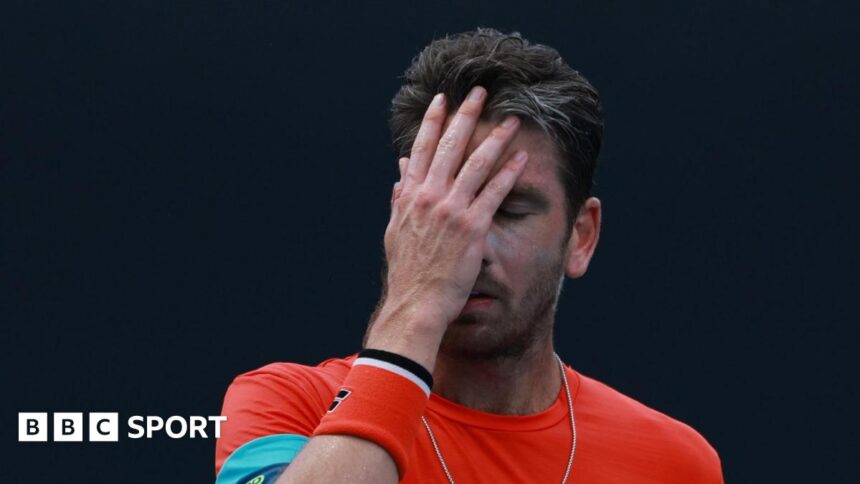
In the cathedral of professional tennis, where statistics are etched in stone and head-to-head records are recited like scripture, a player facing their personal Goliath is a timeless narrative. For Britain’s Cameron Norrie, that giant is Alexander Zverev. Six meetings, six defeats. It’s a record that doesn’t just whisper doubt; it shouts it from the rafters. As Norrie potentially prepares for a seventh encounter, he, like countless athletes before him, must navigate a mental minefield. His chosen compass? A dose of dry humour. But behind the wry smile lies a profound sporting truth: ending a one-sided streak is less about a sudden technical revelation and more about an alchemical blend of psychology, persistence, and perspective.
- The Ghost in the Locker Room: When the Record Precedes the Match
- “No-One Beats Vitas Gerulaitis 17 Times in a Row”: The Power of the Punchline
- The Anatomy of an Upset: More Than Just a Lucky Day
- The Optimist’s Blueprint: What Norrie (And Any Underdog) Can Teach Us
- The Final Serve: The Lesson Isn’t Always the Victory
The Ghost in the Locker Room: When the Record Precedes the Match
Before a single ball is struck in a matchup like Norrie-Zverev, the battle is already underway. The weight of an 0-6 record is a peculiar opponent. It infiltrates training sessions, press conferences, and, most dangerously, those fleeting moments of uncertainty mid-match. Every missed forehand at a crucial juncture isn’t just a missed forehand; it’s a confirmation of the narrative. The opponent, armed with the psychological fortress of past victories, plays with the freedom of a proven formula.
For Norrie, the challenge is multifaceted. Zverev’s game—a powerhouse blend of immense serving, crushing groundstrokes from the baseline, and surprising mobility for his height—presents a clear tactical puzzle. But the greater puzzle is internal. How does one dismantle the mental monument of past failures? Sports psychologists often speak of “controlling the controllables.” When history feels like destiny, that task becomes Herculean. The record becomes a ghost in the locker room, a silent, omnipresent third player on the court.
“No-One Beats Vitas Gerulaitis 17 Times in a Row”: The Power of the Punchline
This is where humour enters, not as a deflection, but as a weapon. The blueprint for this was masterfully laid out over four decades ago by the charismatic Vitas Gerulaitis. After finally snapping a brutal 16-match losing streak against the legendary Jimmy Connors in 1980, Gerulaitis faced the press and delivered one of the most iconic lines in sporting history: “And let that be a lesson to you all. No-one beats Vitas Gerulaitis 17 times in a row.”
This was more than just a great quip. It was a masterclass in psychological recalibration. In one sentence, Gerulaitis accomplished several things:
- Reframed the Narrative: He shifted the focus from his 16 failures to his one, monumental success.
- Reclaimed Agency: The line was an assertion of self, a declaration that his legacy would not be defined by his losses to one man.
- Disarmed the Pressure: By injecting humour, he released the immense tension that had built up over years of defeat.
Norrie’s approach mirrors this ethos. Speaking of his record against Zverev, his droll, understated comment—turning to drollness—serves a similar purpose. It acknowledges the elephant in the room while refusing to be cowed by it. This kind of humour isn’t about a lack of seriousness; it’s a sophisticated coping mechanism that prevents the record from becoming a monster. It’s a way of saying, “I see the mountain, and I’m going to climb it, but I don’t have to be solemn about the climb.”
The Anatomy of an Upset: More Than Just a Lucky Day
So, how does the upset actually happen? What transforms a perennial contender into a conqueror? History shows it’s rarely a fluke. It’s a perfect storm built on incremental gains.
First, tactical evolution is non-negotiable. Doing the same thing and expecting a different result is the definition of insanity, especially against a top-tier player. For Norrie, this might mean even more aggressive court positioning on second-serve returns against Zverev, or a relentless focus on exploiting the backhand corner with heavy, looping topspin to draw errors. It’s about finding a minuscule crack in the armour and hammering at it until it splits.
Second, embracing optimal risk. Playing “safe” tennis often plays directly into the stronger opponent’s hands. The victor must walk the tightrope of increased aggression without tipping into recklessness. This requires a mindset shift from hoping the opponent loses to believing you can win.
Finally, and most critically, seizing the moment of psychological shift. In almost every streak-breaking match, there is a point—a saved break point, a won marathon rally after being on the ropes, a lucky net cord—where the belief visibly drains from the favourite and floods into the underdog. The past record suddenly feels less like a prophecy and more like ancient history. The player who has always won starts to feel the weight of expectation, while the player who has always lost plays with the liberating nothing-to-lose attitude that is so potent in sport.
The Optimist’s Blueprint: What Norrie (And Any Underdog) Can Teach Us
Cameron Norrie’s journey against Zverev, regardless of the next result, provides a blueprint for resilience that extends far beyond the tennis court.
- Acknowledge, Don’t Ignore: Pretending the record doesn’t exist is futile. Norrie’s humour acknowledges it, which is the first step to disempowering it.
- Control Your Story: Gerulaitis taught us that you can write the headline before the journalists do. Frame your struggle on your own terms.
- Process Over Outcome: Focusing on the 0-6 record is focusing on an outcome. The path to breaking it lies in committing to the process: executing a specific game plan, staying present in the next point, and embracing the battle itself.
- The Law of Averages in a Meritocracy: Sport is a meritocracy, but it’s also subject to nuance. A 6-0 record suggests superiority, but it doesn’t guarantee destiny. Each match is a new event. As the great Roger Federer once said about facing a nemesis, “You need to be patient. You need to wait for your chance.”
The Final Serve: The Lesson Isn’t Always the Victory
As Cameron Norrie walks onto the court next, the shadow of 0-6 will be there. But so will the ghost of Vitas Gerulaitis, reminding him that streaks, no matter how imposing, are made to be broken. The ultimate lesson here may not be that Norrie will beat Zverev the seventh time around. He might, and it would be a storybook ending. But the deeper, more universal lesson is in the approach.
Ending a one-sided record requires the optimism to believe in a different future, the humour to lighten the burden of the past, and the clarity to focus on the singular point in front of you. It teaches us that our response to a repeated challenge defines us far more than the challenge itself. Whether the scoreboard finally swings in his favour or not, by facing his record with a clear eye and a wry smile, Norrie has already won a crucial part of the battle. And let that be a lesson to us all: no one gets to define your story until the very last point is played.
Source: Based on news from BBC Sport.