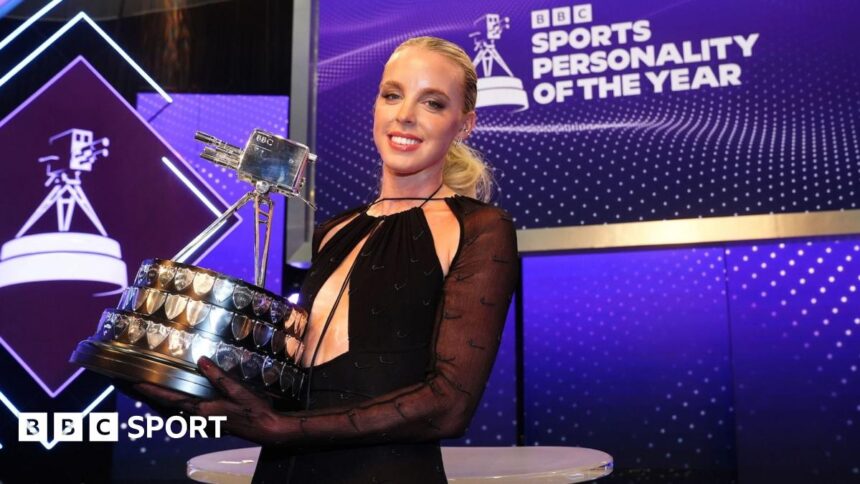
BBC Sports Personality of the Year: A Glittering Roll of Honour Through Time
For over seven decades, a single trophy has crystallised the spirit of British sporting achievement. The BBC Sports Personality of the Year award is more than an annual ceremony; it is a living archive, a cultural touchstone that chronicles triumph, resilience, and the nation’s evolving sporting passions. From the black-and-white pioneers of the 1950s to the global superstars of the digital age, the roll of honour is a mirror to Britain’s soul. Let’s embark on a journey through this hall of fame, exploring the legends who defined their eras and the very meaning of sporting personality.
From Humble Beginnings: The Pioneering Spirit of the 1950s
The story begins not with a fanfare, but with a simple vote among sports editors. In 1954, the inaugural award was presented to middle-distance runner Chris Chataway. His victory was symbolic of the era’s spirit: gritty, groundbreaking, and performed under the stark glare of early television lights. Chataway’s famous defeat of Vladimir Kuts just weeks prior was a shot of adrenaline for British athletics. The following year, the baton passed to another pioneer, Stirling Moss. The maestro of the racetrack, Moss claimed the award in 1955, a year seared into Formula 1 folklore. While he never won a drivers’ championship, his sheer brilliance and sportsmanship, particularly that season, embodied the “personality” the award sought to celebrate. These early winners set a formidable precedent: the award would honour not just winners, but characters who captured the public’s imagination with their style and daring.
The Evolution of a National Icon: Defining Moments and Unforgettable Winners
As the decades turned, the SPOTY trophy became the ultimate accolade, its winners etching their names into national legend. The roll of honour reads like a timeline of British sporting euphoria:
- The 1960s & 70s: An era of singular icons. The peerless Bobby Moore (1966), holding aloft the World Cup, and the indomitable Mary Peters (1972), winning Olympic gold in Munich, showcased leadership and courage.
- The 1980s: A decade of dramatic rivalries and seismic victories. The ice-cool mastery of Jayne Torvill and Christopher Dean (1984) contrasted with the raw power of Fatima Whitbread (1987). It was an era where personality was as vivid as the performance.
- The 1990s to 2010s: The age of global superstardom and unprecedented dominance. Lennox Lewis (1999), Kelly Holmes (2004), and Andy Murray (2013, 2015, 2016) delivered on the world’s biggest stages repeatedly. This period also saw the rise of the public vote, transforming the award into a true national conversation.
Each winner added a new layer to the award’s legacy. It became a barometer for national mood, celebrating not just athletic prowess but also resilience in adversity and inspirational comebacks.
Beyond the Trophy: What the Roll of Honour Truly Reveals
Analysing the list of winners offers a fascinating sociological study of British sport. The evolution is stark. The early years were dominated by motorsport, athletics, and equestrian events. The increasing diversity of winners since—from cyclists like Chris Hoy and Bradley Wiggins to gymnast Beth Tweddle and footballer Ryan Giggs—reflects both Britain’s broadening sporting success and a more inclusive public consciousness.
Critically, the award has also sparked vital debates. The relative scarcity of female winners historically, and the famous “where are the sports *women*?” question, pushed the conversation on representation into the mainstream. The triumphs of Jessica Ennis-Hill (2012) and Emma Raducanu (2021) felt like cultural corrections. Furthermore, the rise of team sports athletes and para-athletes like Eleanor Simmonds and the 2012 Paralympic Team winning the Team award, underscores that “personality” is about impact as much as individual glory.
The Future of the Roll of Honour: Who Will Define the Next Era?
Gazing into the crystal ball, the future of the SPOTY roll of honour is poised for thrilling new chapters. Several trends and emerging stars are likely to shape the coming years:
- The Rise of New Sports: Could a skateboarder, climber, or esports pioneer ever claim the crown? As Olympic programmes evolve, so too might the SPOTY landscape.
- The Mental Health Champions: Athletes who speak openly about pressure and wellbeing, like a Ben Stokes or an Eilish McColgan, resonate deeply. Future winners may be celebrated as much for their advocacy as their medals.
- Sustainability Icons: With climate consciousness growing, athletes who champion environmental causes within their sport could capture the public’s esteem.
- Immediate Contenders: Stars like Jude Bellingham (football), Katarina Johnson-Thompson (heptathlon), and Jake Jarman (gymnastics) have the talent and charisma to top future polls, provided they seize their moment on the world stage.
The key will remain that elusive, alchemical mix of world-beating achievement and genuine public connection.
Conclusion: More Than a List, a Legacy
The BBC Sports Personality of the Year roll of honour is not a mere inventory of names and dates. It is the heartbeat of British sport, a chronicle of our collective cheers and tears. From Chris Chataway in a modest studio to Stirling Moss in his racing prime, through to the modern-day titans who trend worldwide, each winner holds a piece of the nation’s story. They remind us that sport is never just about the result; it’s about the journey, the character, and the shared memory. As new names are engraved alongside the old, this unique honour continues to ask, and answer, a simple question: who, this year, truly embodied the spirit of British sport? The roll of honour awaits its next legend.
Source: Based on news from BBC Sport.