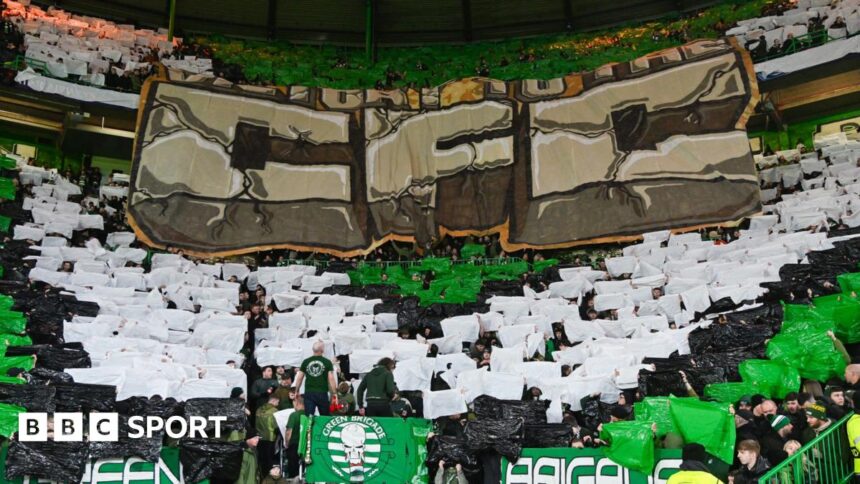
Celtic Lift Suspension of Green Brigade: A Fragile Truce After Tumultuous Standoff
The drums will sound again in the North Curve. In a move that ends a tense, five-month saga, Celtic Football Club has officially lifted the suspension of the Green Brigade ultras group, reinstating their access for Saturday’s Premiership clash with St Mirren. This decision, announced quietly on a Tuesday evening, closes a contentious chapter but opens a new one defined by conditions and cautious optimism. The resolution, forged in the pragmatic halls of Glasgow City Council’s Safety Advisory Group (SAG), suggests not a victory for either side, but a hard-won compromise that prioritizes the safety and future of Celtic Park.
- A Timeline of Tension: From Flashpoint to Stalemate
- The Path to Reinstatement: SAG Conditions and a New Understanding
- Expert Analysis: More Than Just Fans Returning to Seats
- Predictions and Future Implications: A Lasting Peace or a Temporary Ceasefire?
- Conclusion: A Necessary Compromise Forged in Pragmatism
A Timeline of Tension: From Flashpoint to Stalemate
The conflict between the club and its most vocal supporters was not born overnight. It culminated in early November when Celtic imposed an initial six-game ban on approximately 200 fans identified as part of the Green Brigade. The catalyst was cited as “violent and threatening behaviour” during a Scottish Cup tie against Falkirk in late October. The situation escalated in December when the club extended the suspension indefinitely, pointing to further “safety incidents” and a breakdown in communication.
The ban created a palpable void in Celtic Park’s atmosphere. The North Curve, typically a cauldron of noise, colour, and unwavering support, fell silent. While matchday protests were minimal, a sense of fracture within the Celtic support was undeniable. The impasse stretched into the new year, with manager Brendan Rodgers occasionally lamenting the loss of atmosphere, a key component of the team’s home advantage.
The first sign of a thaw came in February. Club legend and former manager Martin O’Neill, acting in an ambassadorial role, revealed that “some progress” had been made following behind-the-scenes discussions. O’Neill’s involvement was a masterstroke, leveraging his immense credibility with all facets of the support to bridge a seemingly unbridgeable gap.
The Path to Reinstatement: SAG Conditions and a New Understanding
The definitive breakthrough was procedural and conditional. Celtic’s statement was clear: reinstatement followed a meeting of the Glasgow City Council Safety Advisory Group (SAG), the official body responsible for stadium safety certificates. The SAG did not object to lifting the ban, but only under three strict conditions. While the club did not publicly detail these terms, they inevitably revolve around core safety protocols.
Based on standard SAG stipulations and the history of this dispute, the conditions likely include:
- Strict adherence to designated entry and exit procedures to prevent overcrowding and ensure smooth stadium flow.
- Zero tolerance for pyrotechnics or any prohibited items, a perennial flashpoint between ultras groups and authorities across the UK.
- Full cooperation with stewarding and police directives on matchdays, ensuring a clear chain of command for safety operations.
This framework is crucial. It moves the dispute from a political clash between club and fans into the realm of objective, legally-mandated safety standards. The Green Brigade’s return is not an unconditional pardon; it is a probationary period governed by civic authority.
Expert Analysis: More Than Just Fans Returning to Seats
This resolution is multifaceted. On the surface, it’s about fans returning to their seats. But dig deeper, and it touches on the very identity of a modern football club. The Green Brigade, for all the controversy they attract, are the primary architects of Celtic Park’s renowned atmosphere. Their tifos, constant singing, and visual displays are a marketing asset and a tangible on-pitch advantage. Their absence coincided with a dip in home form, a correlation not lost on the football department.
However, the club’s hierarchy had a fiduciary and legal duty to act. The reported “violent and threatening behaviour” crossed a line no institution can ignore. Celtic’s initial suspension was a stark message: the club’s license, reputation, and duty of care to all attendees supersede any single group’s influence. The prolonged standoff demonstrated the board’s willingness to endure significant reputational pain and fan discontent to enforce that principle.
The involvement of Martin O’Neill was the key diplomatic intervention. He provided a trusted channel, someone who understands the culture of the stands as well as the pressures of the boardroom. His mediation shifted the dialogue from mutual recrimination to practical problem-solving.
Predictions and Future Implications: A Lasting Peace or a Temporary Ceasefire?
The immediate future seems clear. The North Curve will roar back to life on Saturday. The sense of a reunited Celtic support will provide an undoubted emotional lift for the team as they enter the Premiership’s final stretch. In the short term, a period of cautious compliance is the most likely outcome.
Looking further ahead, the prognosis is more complex. The fundamental tension between the autonomous, protest-driven ethos of an ultras group and the corporate, compliance-driven reality of a global football brand remains. The Green Brigade have historically used their platform for political expression, particularly regarding Palestinian solidarity, which has previously brought them into conflict with football authorities.
- Potential Flashpoints: Future displays or chants deemed to breach SAG conditions or UEFA/FIFA regulations could instantly reignite the conflict.
- Structural Change: The club may push for a more formalized liaison structure to ensure clear communication, potentially seeking to integrate the group more directly into matchday operations.
- Atmosphere vs. Administration: The club must now carefully balance its need for control with its desire to harness the unique atmosphere the group creates. Killing the goose that lays the golden egg is a real danger.
The ultimate success of this truce won’t be measured on Saturday, but over the next season. It will be judged by incident reports, the tone of future SAG meetings, and the ability of both sides to navigate the inevitable disagreements that will arise.
Conclusion: A Necessary Compromise Forged in Pragmatism
Celtics’s lifting of the Green Brigade suspension is a resolution born not of romance, but of cold, hard necessity. It is a pragmatic acknowledgment that the club is stronger with its most fervent supporters inside the stadium, but only under a mutually agreed and legally-binding framework. The Glasgow City Council SAG conditions provide the neutral ground upon which this fragile peace is built.
The return of the Green Brigade’s unmistakable vibrancy to Celtic Park will be celebrated by many. Yet, the episode leaves a lasting legacy. It has redefined the boundaries of the relationship between the club and its most vocal fans, establishing that safety and compliance are non-negotiable pillars. The hope for all connected with Celtic must be that the energy of the North Curve can now be channeled solely into driving the team forward, within the clear lines that have been drawn. The truce is secured; the long-term partnership is now the project.
Source: Based on news from BBC Sport.