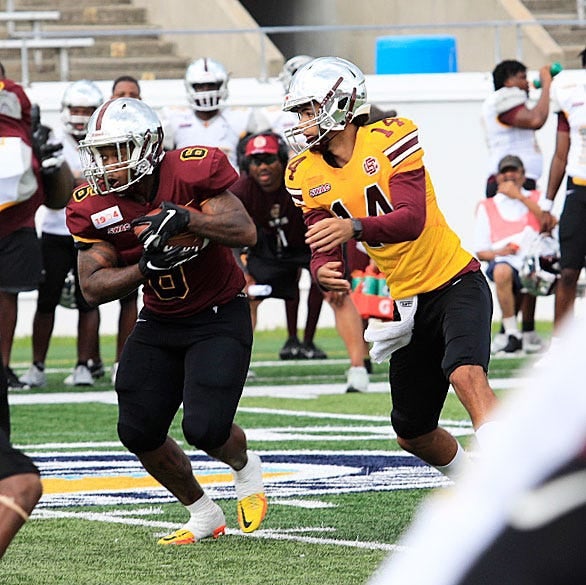
Colorado Quarterback Dominiq Ponder’s Fatal Wreck: Autopsy Reveals BAC Double Legal Limit
The promise of a young athlete, the stark finality of a utility pole, and a toxicology report that tells a devastatingly familiar story. The Boulder County Coroner’s official findings, released Tuesday, confirmed what many feared in the wake of the March 1 crash that killed University of Colorado quarterback Dominiq Ponder: his blood alcohol concentration was more than twice the legal limit. At just 23 years old, Ponder’s life and potential were cut short in a single, preventable moment, leaving a community to grapple with grief, questions, and the harsh lessons embedded in tragedy.
A Night of Tragedy: The Crash and Its Aftermath
In the early hours of March 1, Dominiq Ponder was driving his 2023 Tesla in Boulder County. According to Colorado State Police, for reasons still under investigation, Ponder lost control of the vehicle. It left the roadway and struck a utility pole with violent force. The impact sent the car sliding down an embankment. First responders arrived at a scene of profound destruction, pronouncing the young quarterback dead at the location. The coroner’s report, citing multiple blunt force injuries as the cause of death, paints a clinical picture of the crash’s horrific physical toll.
The newly released autopsy data, however, provides the crucial, damning context: Ponder’s blood alcohol level was recorded at .167. In Colorado, as in all 50 states, the legal limit for driving is .08. Ponder’s BAC level, more than double that threshold, indicates a significant level of impairment, severely compromising reaction time, judgment, and motor skills—the very faculties essential for safe driving. The investigation remains open, with authorities examining speed, potential distraction, and other factors, but the central element of alcohol impairment is now an indisputable and tragic fact.
Beyond the Stat Line: A Life of Promise and a Foundation’s Mission
Dominiq Ponder was not just a name in a police report. A Florida native, he transferred to the University of Colorado from Bethune-Cookman, stepping onto the FBS stage with the Buffaloes. He appeared in two games in 2025, a player working to carve out his role in a high-profile program under Coach Prime. Teammates described him as a vibrant, supportive presence in the locker room, a young man whose smile was as memorable as his arm.
In the wake of his death, his family moved to cement his legacy not in statistics, but in service. They established the Dominiq Ponder 7/22 Foundation. Its stated missions are poignant, reflecting both Ponder’s journey and the circumstances of his passing:
- Provide support to student-athletes navigating the pressures of sport and academia.
- Aid children’s hospitals and families facing medical challenges.
- Assist with responsible decision-making—a phrase that now carries a profound and painful weight.
The foundation’s creation adds a layer of heartbreaking irony to the autopsy results. It aims to promote the very type of judgment that, on one fateful night, its namesake fatally lacked.
Expert Analysis: The Harsh Reality of Impaired Driving
Sports psychologists and substance abuse experts point to this case as a catastrophic example of a pervasive issue. “We often see a disconnect in high-performance individuals,” explains Dr. Alisha Carter, a specialist in athlete behavioral health. “The discipline in the gym or on the field can create an illusion of invincibility that doesn’t translate to other life domains. The decision to drive after drinking is a cognitive error, a failure of risk assessment that, for athletes under constant pressure, can be tragically amplified.”
The specific BAC level of .167 is critically important. According to the National Highway Traffic Safety Administration (NHTSA), at this level of intoxication, individuals experience:
- Major loss of balance and physical control
- Severely impaired judgment and visual perception
- Dramatic increase in the risk of a fatal crash
“At .167, there is no question of ‘buzzed driving,'” states Carter. “This is unequivocal, severe impairment. The tragedy is that this was a 100% preventable crash. The tools—ride-sharing, designated drivers, simple planning—are all readily available, yet the cultural and social pressures, especially among young adults, continue to override logic.”
Predictions and Repercussions: For Colorado, the Foundation, and Beyond
The fallout from this tragedy will ripple in several directions. For the University of Colorado football program, the loss is human first, and athletic second. Coach Deion Sanders has historically emphasized character and life choices alongside athletic excellence. This event will likely lead to an intensified, more visceral internal team dialogue about responsibility, with coaches and veteran players taking a harder line on off-field conduct. The athletic department may mandate enhanced, reality-based education programs that move beyond standard lectures to include testimonials and hard data on consequences.
The trajectory of the Dominiq Ponder 7/22 Foundation will now inevitably shift. While its core missions remain, the autopsy revelation mandates that its focus on “responsible decision-making” will become its central, defining pillar. It transforms from a general memorial into a potent advocacy tool against impaired driving. The family may channel their grief into creating powerful prevention campaigns aimed directly at student-athletes and young men, using Dominiq’s story as the ultimate cautionary tale.
On a broader scale, this case adds another high-profile name to the grim list of athletes lost to DUI-related incidents. It serves as a stark reminder that talent and future promise offer no protection from the laws of physics and the effects of alcohol.
A Conclusion Written in Grief and a Call for Change
The story of Dominiq Ponder is now a bifurcated tale. There is the story of the aspiring quarterback, the beloved son and friend, memorialized in a foundation built on goodwill. And there is the story revealed by the Boulder County Coroner: a young man who made a fatal decision to drive while profoundly intoxicated. Reconciling these two narratives is the difficult work left for his family, friends, and fans.
His death is a profound waste, a loss felt far beyond the football field. It underscores a public health crisis that claims thousands of lives annually. The hope, buried deep within this tragedy, is that the shocking specificity of the .167 BAC—a number tied to a name and a face the Colorado community knew—will resonate where abstract warnings have failed. It must serve as a brutal, indelible reminder: responsible decision-making is not a cliché for a foundation’s brochure; it is the literal line between a future and a final report. The legacy of Dominiq Ponder, however complex, must now be one that steers others toward safety, ensuring his final, terrible mistake saves lives in his name.
Source: Based on news from Deadspin.