CSK’s Bowling Crisis: Sunil Gavaskar Sounds Alarm Bell for IPL 2026 Campaign
The Chennai Super Kings, a franchise synonymous with calm efficiency and strategic mastery, finds itself in unfamiliar territory early in the IPL 2026 season. A high-scoring defeat at their beloved Chepauk fortress has not just cost them points, but has exposed a potentially fatal flaw. Following CSK’s five-wicket loss to the Punjab Kings, where a commanding 209 proved insufficient, legendary Indian cricketer Sunil Gavaskar issued a stark warning: CSK’s bowling is their biggest concern and could define their entire season. This isn’t a minor glitch; it’s a fundamental weakness that threatens to derail their championship aspirations and put immense, unsustainable pressure on their star-studded batting lineup.
The Chepauk Collapse: A Blueprint for Opposition
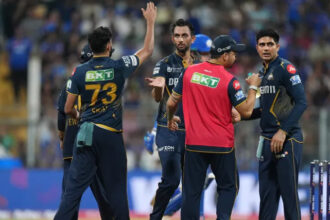
The match against Punjab Kings was a classic tale of two innings. Batting first, CSK’s batters, led by the impressive Ayush Mhatre’s 73 and explosive contributions from Shivam Dube and Sarfaraz Khan, posted a formidable 209 for 5. On a typically slow Chepauk track, it was a total that should have been defended nine times out of ten. However, what unfolded was a systematic dismantling of the CSK bowling attack. The PBKS batters chased with a disconcerting ease, winning with five wickets in hand. The defeat highlighted a critical vulnerability: CSK’s inability to defend totals, even substantial ones, even at home. This loss wasn’t about one bad over; it was about a collective failure to apply pressure, take wickets in the powerplay, or contain the flow of runs in the death overs. It provided every other team in the competition with a clear blueprint: target the CSK bowlers.
Gavaskar’s Grave Warning: The 230-Run Paranoia
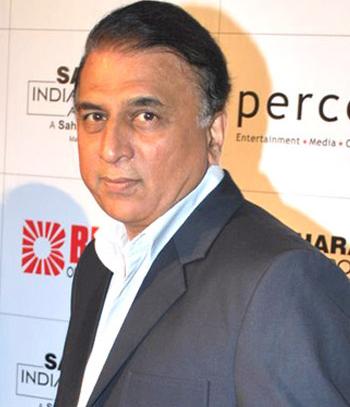
Sunil Gavaskar’s analysis cut straight to the bone. He didn’t mince words, stating that this bowling frailty isn’t a one-off but a persistent issue that will haunt CSK throughout IPL 2026. His most chilling prediction was the psychological and tactical burden this places on the batting unit. “The batters will be under pressure to post big totals,” Gavaskar emphasized, suggesting that a competitive score is no longer enough. He quantified this pressure, indicating that CSK’s batters may now need to consistently aim for 225-230 runs just to stay in the game. This shifts the entire team’s equilibrium. Batters might start taking undue risks, the fear of a below-par total will loom large, and the margin for error evaporates. This “230-run paranoia” can distort natural game plans and create a tense, reactive atmosphere in the camp.
The specific concerns within the attack are multifaceted:
- Lack of a Penetrative Powerplay Bowler: The new ball has failed to yield early wickets, allowing opposition teams to build platforms.
- Middle-Overs Ineffectiveness: The traditional CSK strength of squeezing runs in overs 7-15 has been lacking, with spinners not controlling the run flow.
- Death Bowling Fragility: The closing overs have been particularly costly, with bowlers struggling with yorkers and variations, making every chase feasible.
- Over-Reliance on Economy: The attack seems filled with bowlers who aim to contain, but on flat pitches, wicket-takers are essential to break partnerships.
Strategic Crossroads for the CSK Think Tank
The CSK management, led by the astute MS Dhoni and Stephen Fleming, now faces its toughest strategic puzzle in recent years. The team’s identity has been built on balanced teams and shrewd bowling rotations. For IPL 2026, that model appears broken. The solutions are not straightforward. The auction dynamics mean they cannot simply buy a new attack. They must work with existing resources, which demands tough calls and tactical innovation.
Potential internal solutions could include:
- Bold Bowling Changes: Giving opportunities to bench bowlers who offer a different, perhaps more attacking, skill set.
- Rejigged Bowling Roles: Reassigning phases to different bowlers, potentially using a premier bowler in the powerplay and death, even if it means fewer overs in the middle.
- Aggressive Field Placements: Moving away from defensive fields when wickets are the primary need, even if it risks boundaries.
- Maximizing All-Rounders: Getting more overs from batting all-rounders to add depth and variety, though this is a double-edged sword.
The core issue is that in a batter-dominated era, a weak bowling attack is a liability that even the mightiest batting side cannot perpetually overcome. CSK’s competitive edge has always been their ability to win even when not posting mammoth scores. That edge is now blunt.
The Road Ahead: Can CSK Salvage Their IPL 2026 Season?
Gavaskar’s warning is a wake-up call that resonates far beyond one loss. The prognosis for the rest of CSK’s IPL 2026 is now under a cloud. Their campaign trajectory will depend almost entirely on how quickly and effectively they can address this bowling conundrum. While their batting has the firepower to post 225+ occasionally, expecting them to do it in “most matches,” as Gavaskar fears, is a recipe for burnout and inconsistency.
The path forward is narrow. They must find a way to transform their bowling unit from a liability into a cohesive, wicket-taking force. This may involve embracing a slightly more aggressive, risk-taking brand of cricket—a departure from their traditionally calculated approach. The leadership of MS Dhoni behind the stumps will be tested like never before, as he tries to weave magic with limited resources.
In conclusion, Sunil Gavaskar has identified the storm on CSK’s horizon. The defeat to PBKS at Chepauk was not an anomaly; it was a manifestation of a deep-seated issue. For the Chennai Super Kings, the remainder of IPL 2026 is no longer just about winning matches. It is a race against time to fix their broken bowling attack. If they fail, no amount of batting heroics from Ayush Mhatre, Shivam Dube, or others will be enough to secure a playoff spot, let alone a championship. The Yellow Army’s season hinges on a dramatic bowling revival. Without it, the warning from a legend will become a painful reality.
Source: Based on news from India Today Sport.
Image: CC licensed via commons.wikimedia.org