Igor Tudor’s 44-Day Reign: Tottenham’s Managerial Turmoil Reaches Crisis Point
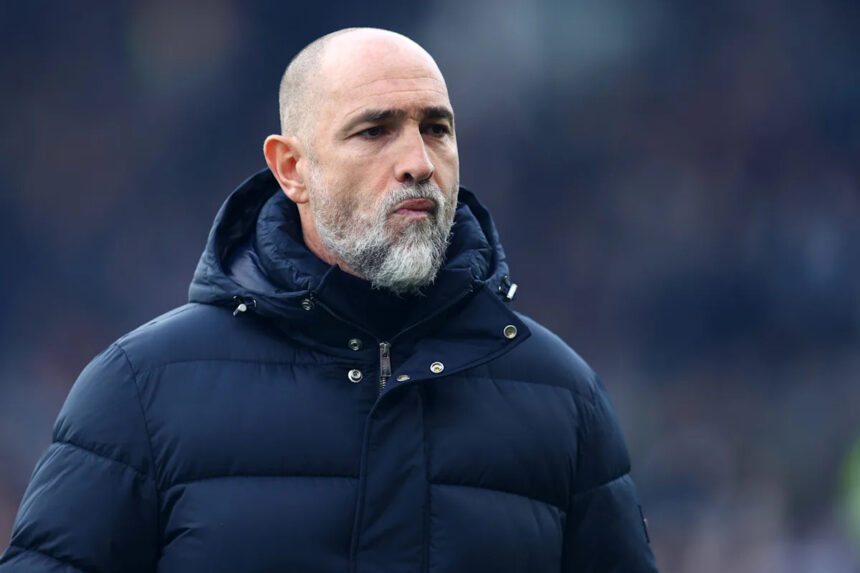
The foundations at Tottenham Hotspur, already cracked from a season of upheaval, have given way entirely. In a stunning development reported by David Ornstein of The Athletic, Igor Tudor is set to leave Tottenham Hotspur by mutual consent after a mere 44 days in charge. This isn’t just a managerial change; it is the confirmation of a full-blown institutional crisis. A tenure measured in weeks, not seasons, has ended before the new manager’s philosophy could even be imprinted, plunging the club into a state of profound uncertainty and raising urgent questions about the direction of one of England’s most prominent football institutions.
A Tenure Doomed From the Start: The Tudor Experiment Unravels
When Tottenham moved to appoint Igor Tudor in February, the decision was met with a mix of intrigue and skepticism. The fiery Croatian, known for his intense, high-press systems and no-nonsense demeanor, was a stark contrast to his predecessor, Thomas Frank. The board’s logic appeared to be a search for a disciplinary figure, a tactical drill sergeant who could impose order on a squad perceived as lacking resilience. However, the fit always felt awkward.
Tottenham’s turbulent season needed healing, but Tudor’s arrival felt like an attempt to perform open-heart surgery mid-sprint. Reports from the training ground at Hotspur Way suggested a manager struggling to communicate his complex demands, with his methods causing friction within a squad already low on confidence. The on-pitch results were a chaotic reflection of this disconnect: sporadic moments of aggressive pressing overshadowed by glaring defensive disorganization and a palpable lack of cohesive attacking patterns. The short reign wasn’t just short; it was a failed cultural transplant, rejected by the host body almost immediately.
Beyond the Headlines: The Systemic Failure at Spurs
To lay the blame solely at Igor Tudor’s feet is to miss the forest for the trees. His exit is a symptom, not the disease. The club’s leadership is now facing unprecedented scrutiny for a pattern of decision-making that appears reactive, short-term, and devoid of a clear sporting vision.
- Identity Crisis: What is a Tottenham Hotspur team in 2024? The shift from Thomas Frank’s more possession-oriented approach to Tudor’s ferocious verticality suggests a club chasing a quick fix rather than building a sustainable model.
- Recruitment Misalignment: The squad, assembled under various regimes with different tactical blueprints, is a patchwork quilt. It lacks the specific profile of players—particularly in midfield and defense—required to execute Tudor’s, or any single, demanding philosophy effectively.
- Instability Breeds Instability: Each abrupt change creates a vicious cycle. Players are in a constant state of adaptation, trust erodes, and the club’s project becomes an unattractive proposition for both future managers and transfer targets.
The decision has already been reached not just on Tudor, but on another lost season. The deeper issue is that this decision-making process keeps repeating itself, with the club’s hierarchy seemingly unable to break the cycle.
Navigating the Immediate Aftermath: What Comes Next for Tottenham?
The immediate priority is damage limitation. With a handful of games remaining, the club must find a caretaker—likely from within the existing coaching staff—to simply see out the campaign. The real intrigue lies in the summer, which now represents the most critical period in recent Tottenham history.
The search for a new permanent manager will be conducted under a blinding spotlight. The pool of elite candidates willing to step into this vortex of instability may have shrunk. The board must now answer fundamental questions:
- Do they double down on a disciplinarian figure, or seek a more collaborative, man-manager?
- Will they finally commit to a multi-year project with a coach, offering patience and transfer market support?
- Can they articulate a clear footballing identity that the next appointment must fulfill?
Furthermore, key players like Son Heung-min will be watching closely. The club’s ability to retain its top talent is now intrinsically linked to its ability to present a coherent and ambitious plan for the future.
A Crossroads for North London: Predictions and the Path Forward
The prediction is one of unavoidable, painful introspection. The Igor Tudor exit confirms crisis, and crises demand radical responses. Expect a summer of significant player turnover as the new manager, whoever that may be, seeks to mold a squad in his image. The club may be forced to take a gamble on a promising but less proven manager, as established names may view the role as toxic.
The path forward is narrow but clear. Tottenham must:
- Define a DNA: The football decision-makers must lock in a non-negotiable style of play and club culture.
- Align Recruitment: Every signing must be a strategic piece of a larger puzzle, not a panic buy or a marketing opportunity.
- Embrace Patience: Communicate to fans that the rebuild is a 2-3 year project, insulating the next manager from the immediate pressure that doomed Tudor.
Failure to do so will see Tottenham condemned to the purgatory of mid-table mediocrity, a club with a world-class stadium but a fractured soul, forever lurching from one failed experiment to the next.
The departure of Igor Tudor after 44 days is more than a headline; it is a deafening alarm bell. It signals that the issues at Tottenham Hotspur are not merely technical or tactical, but foundational. The manager’s chair has become a ejector seat, and until the men who keep pressing the button are held accountable or change their approach, the cycle of turmoil will only continue to spin. The club stands at a precipice. The choices made in the coming weeks will define whether this moment is remembered as the nadir that sparked a revolution, or simply another chaotic chapter in a long, slow decline.
Source: Based on news from Yahoo Sports.