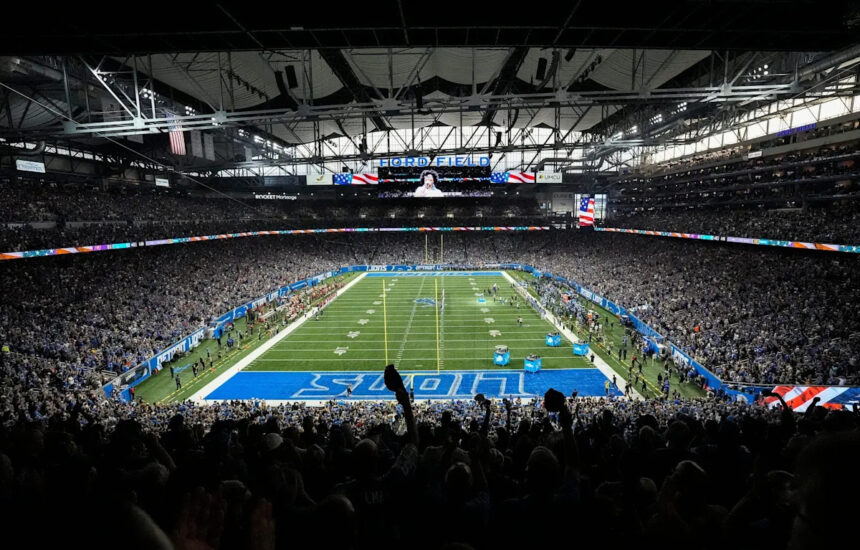
Detroit Lions and NFL Usher in New Era with 2026 Onside Kick and Kickoff Rule Changes
The landscape of professional football is set for another significant shift. At the NFL’s annual league meetings on April 1, the 32 team owners, including the Detroit Lions’ Sheila Ford Hamp, approved a slate of rule changes for the 2026 season that promise to inject more strategy and excitement into the game’s most chaotic plays. Coming on the heels of the recent major kickoff format overhaul, these latest adjustments specifically target the onside kick and kickoff placement rules, aiming to rebalance the competitive equation while prioritizing player safety. For a Lions team built on aggressive, momentum-swinging football, these changes could become a powerful new weapon in their arsenal.
Decoding the 2026 Rulebook: A Breakdown of the Changes
The NFL’s Competition Committee presented, and owners ratified, two primary modifications to the kickoff rules. While seemingly technical, these adjustments have the potential to dramatically alter end-game strategy and tactical decision-making. The changes are a direct response to trends observed since the kickoff was moved to the 35-yard line and later reimagined with the “landing zone” format. Let’s dissect what the new rules entail.
The Declared Onside Kick: The headline-grabbing change is the provision to permit the kicking team to declare an onside kick at any time during the game. Under previous and current rules, surprise onside kicks were allowed, but a “declared” or “expected” onside kick—where the kicking team lines up in a specialized formation—was only permitted in the fourth quarter. Now, coaches can signal this high-risk, high-reward play in the first quarter as easily as the last. This declaration will trigger specific alignment rules for both teams, designed for safety, but the strategic door is now wide open.
The Kickoff Out-of-Bounds Deterrent: The second change is a nuanced but critical fix. It aims to eliminate the kicking team’s incentive to intentionally kick the ball out of bounds when kicking off from the 50-yard line. The 50-yard line spot is a penalty enforcement for certain infractions, like a double foul. Previously, a team kicking from midfield could intentionally boot the ball out of bounds, conceding a penalty that would spot the ball at the receiving team’s 40-yard line—a net gain in field position. The new rule closes this loophole, ensuring such a penalty results in the ball being placed at the receiving team’s 45-yard line, removing the strategic benefit of the foul.
Strategic Earthquake: How the Lions and the NFL Will Adapt
These are not mere procedural tweaks; they are catalysts for a strategic revolution. The restored ability to declare an onside kick early fundamentally alters game theory. No longer will a team need to be trailing late to attempt a desperation recovery. Imagine the Detroit Lions, holding a slim lead against the Green Bay Packers in the second quarter, forcing a punt after a defensive stand. A declared onside kick recovery could demoralize an opponent and snatch an extra possession, potentially burying them before halftime.
This rule empowers aggressive, analytically-inclined coaches like the Lions’ Dan Campbell. His “all grit, no quit” mentality now has a new tool. We can expect teams to:
- Develop specialized “onside kick units” with unique skill sets, much like third-down receiving backs or nickel defenders.
- Use the threat of the declared onside kick as a psychological weapon, forcing opponents to prepare for it weekly and potentially opening up other facets of their special teams.
- Leverage analytics to identify optimal, unexpected moments for an onside attempt—not based on the clock, but on opponent tendencies, field position, and game flow.
The out-of-bounds rule change, while less glamorous, is a win for fairness and integrity. It ensures the penalty enforcement truly punishes the infracting team, rather than providing a covert advantage. This maintains the competitive balance the kickoff redesign intended.
The Ripple Effect: Predictions for the 2026 Season and Beyond
As these rules take effect in 2026, their impact will reverberate through roster construction, game planning, and fan experience. The immediate prediction is a surge in onside kick attempts in the first three quarters, followed by a league-wide period of experimentation to find the optimal success rate. Teams with bold coaches and athletic, sure-handed special teams players will gain a tangible edge.
For the Detroit Lions, a franchise that has embraced innovation under GM Brad Holmes, this could be a perfect match. Their core identity is built on physicality and seizing momentum. A successful early-game onside kick is the ultimate momentum play. Look for them to potentially scout players with backgrounds in soccer, rugby, or basketball—athletes with unique ball-tracking and leaping abilities—specifically for this role.
Furthermore, the NFL’s broader mission is clear: make the kickoff a meaningful, exciting, and safe play again. By adding strategic variety with the onside kick and shoring up competitive loopholes, the league is methodically rebuilding a phase of the game that had become a mere formality. The 2024 kickoff format change revived the return; the 2026 changes aim to revive the surprise.
A New Chapter for Special Teams and Motor City Grit
The NFL’s rule changes for the 2026 season are a testament to the league’s ongoing evolution. By approving the declared onside kick at any time and eliminating the kickoff out-of-bounds exploit, owners have sanctioned a more dynamic and strategically rich version of football. These changes reward preparation, creativity, and courage—hallmarks of any successful team.
For the Detroit Lions and their passionate fanbase, this new landscape is ripe with possibility. In Dan Campbell’s hands, the onside kick transforms from a last-ditch hope into a proactive spearhead. It aligns perfectly with a team culture that is never passive, always hunting for an advantage. While Xs and Os will adapt, the fundamental truth remains: football is a game of possessions and momentum. Come 2026, the NFL has officially given its coaches more power to steal one and shift the other. The roar in Detroit, already deafening, may just find a new, strategic pitch.
Source: Based on news from Yahoo Sports.