DK Metcalf Suspended Two Games for Sideline Altercation with Lions Fan
The NFL has drawn a hard line in the turf. The league announced on Monday that Pittsburgh Steelers wide receiver DK Metcalf has been suspended for two games without pay for an altercation with a fan during Sunday’s Week 16 victory over the Detroit Lions. The suspension, which Metcalf is expected to appeal, sidelines the explosive playmaker for the final two critical games of the Steelers’ playoff push and ignites a fierce debate about player safety, fan conduct, and the sanctity of the sideline.
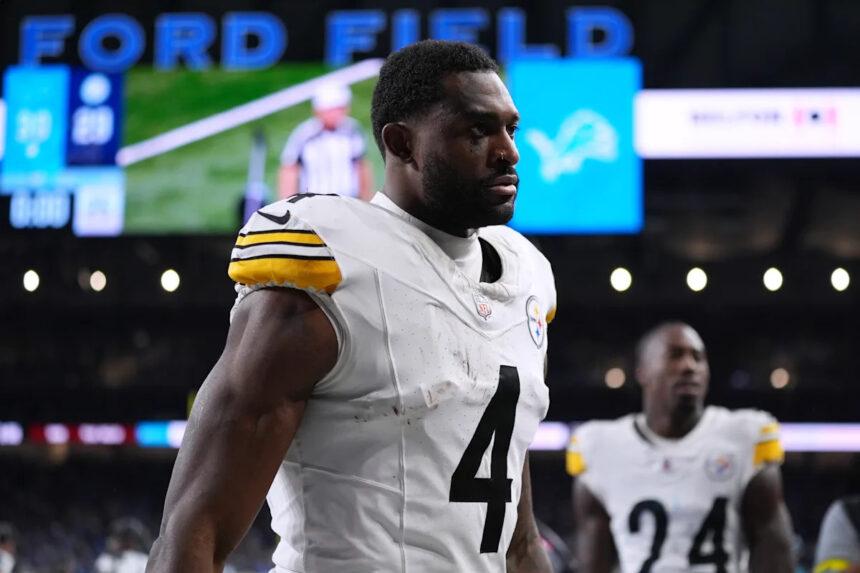
The incident, which unfolded in the second quarter at Ford Field and was captured on the national broadcast, shows Metcalf approaching a fan in the front row, exchanging words, and then appearing to throw a punch toward the fan’s head. While it’s unclear if the blow connected, the action itself has triggered a swift and significant response from the league office, citing a clear violation of player-fan interaction policy.
The Incident: A Breakdown of the Ford Field Flashpoint
With the Lions’ offense on the field, cameras cut to the Steelers’ sideline, where DK Metcalf, helmet in hand, was engaged in a verbal sparring match with a fan prominently wearing a blue wig. The exchange escalated rapidly. Metcalf stepped toward the railing, and in a sudden motion, swung his right hand in a closed-fist punch aimed at the fan’s head. The fan recoiled, and Metcalf was quickly pulled back by team personnel and teammates.
Key details remain murky. The broadcast angle makes it difficult to ascertain definitive contact. The fan was not removed from the stadium, and no police report was filed, suggesting stadium authorities may not have deemed the contact severe. However, for the NFL, the intent and the action were enough. The league’s policy is unequivocal: players are not to enter the stands or confront fans, and any unnecessary physical contact presents unacceptable risks.
This was not a case of a player retrieving a ball or accidentally stumbling into the stands. This was a deliberate approach and an aggressive act, placing the event in a different category than typical sideline fan interactions.
The NFL’s Policy and Precedent: A Zero-Tolerance Stance
The league’s statement left no room for interpretation, directly quoting its policy on player-fan interactions. The NFL has historically taken a zero-tolerance approach to players crossing the boundary into the stands, a stance hardened by infamous past incidents.
- The “Malice at the Palace” Shadow: While an NBA event, the 2004 brawl between the Indiana Pacers and Detroit Pistons fans remains the nightmare scenario for any professional sports league. It permanently altered how leagues manage crowd control and player access.
- NFL History: In 2000, Cleveland Browns defensive tackle Gerard Warren was suspended for one game for throwing a football at a fan. More recently, the league has swiftly fined and suspended players for throwing objects into the stands, even in celebration.
“The sideline is a workplace, and the league has a duty to keep that workplace safe for players, staff, and officials,” notes veteran sports legal analyst Mara Gordon. “By suspending Metcalf for two games—a substantial penalty for a first-time offense in this category—the NFL is sending a deterrent message to every player on every sideline: no matter the provocation, you cannot physically engage. The liability and the potential for a catastrophic escalation are too high.”
The two-game ban, covering the final weeks of a playoff race, underscores the severity with which the league viewed Metcalf’s actions.
Appeal, Impact, and the Steelers’ Playoff Hopes
Metcalf’s expected appeal will center on arguments about provocation and the severity of the contact. His representatives will likely present any available evidence of abusive language or threats from the fan, though the NFL policy makes few allowances for verbal provocation. They may also argue the suspension’s length is disproportionate, especially if medical reports confirm minimal or no contact.
However, the football impact is immediate and severe. For the Pittsburgh Steelers, losing Metcalf for games against the Seattle Seahawks and Baltimore Ravens is a massive blow to an offense that has relied on his big-play ability since his mid-season acquisition.
- Statistical Void: Metcalf has been a focal point, drawing defensive attention and making crucial contested catches.
- Strategic Consequences: His absence forces a reshuffling of the receiver corps and may limit the downfield passing game, putting more pressure on the run game and short passing attack.
- Playoff Implications: The Steelers are in a tight wild-card scramble. Losing a key weapon for these two final, decisive games could be the difference between a postseason berth and an early offseason.
“This is a self-inflicted wound at the worst possible time,” said former NFL GM Rick Spielman. “The appeal process is fast, but overturning a suspension like this is rare. The Steelers now have to gameplan for their most important stretch without one of their best players, and that’s a direct result of a moment of lost composure.”
The Bigger Picture: Fan Accountability and Sideline Security
While the NFL’s punishment rightly focuses on the player’s action, this incident inevitably renews the conversation about fan behavior. Players are held to a professional standard, but what is the standard for fans who purchase front-row seats?
Verbal abuse and personal taunts have become a toxic staple in many NFL environments. The line between passionate heckling and hateful, incendiary speech is often blurred. Teams and leagues promote an “at-the-game” experience but have been inconsistent in policing the content of fan interactions, especially when directed at players in vulnerable sideline areas.
This event should prompt a league-wide review:
- Enhanced Buffer Zones: Is the current sideline barrier sufficient? Some stadiums have wider gaps or moats; Ford Field’s seats are notably close to the team area.
- Fan Conduct Enforcement: Teams must be more proactive in ejecting fans who engage in abusive behavior beyond acceptable banter. Silence is complicity.
- Player Education: Reinforcing de-escalation protocols and providing clear, immediate avenues to report harassment to security, not to engage personally.
The responsibility is not equal—players must walk away—but it is shared. Creating a safe environment requires accountability on both sides of the rail.
Conclusion: A Costly Lesson with Lasting Repercussions
DK Metcalf’s two-game suspension is a landmark decision that reinforces a critical boundary in professional sports. It is a stark reminder that no amount of provocation justifies a physical response toward a fan. The cost for Metcalf is immense: lost salary, a tarnished reputation at a key career juncture, and the potential to let his Steelers teammates down in a playoff chase.
For the NFL, the action was necessary to maintain order and protect the integrity of the game-day environment. However, the incident should serve as a catalyst. It must lead to a harder look at the culture of fan interaction and stadium security to prevent players from ever feeling cornered into such a lose-lose situation. The sideline must be a boundary, not a battleground. In upholding its policy so forcefully, the league has made its position clear. The hope now is that this painful episode leads to greater clarity and safety for everyone involved in the game.
Source: Based on news from Yahoo Sports.