DR Congo Declares National Holiday After Historic World Cup Qualification Ends 52-Year Wait
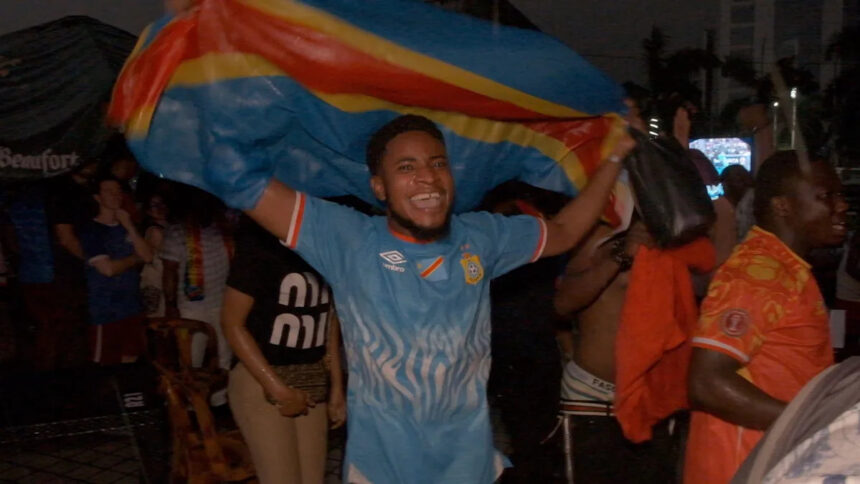
The air in Kinshasa is thick with the scent of celebration, a palpable electricity crackling from the banks of the Congo River to the heart of the copper-rich Katanga. In a moment of pure, unadulterated national catharsis, the Democratic Republic of Congo has erupted in joy after its national football team, the Leopards, secured a place in the FIFA World Cup for the first time in over half a century. The government’s immediate response? To declare a national holiday, a spontaneous day of unity where an entire nation will pause to savor a triumph that transcends sport. This isn’t just a football victory; it’s a seismic event in the nation’s collective consciousness, a beacon of hope and pride for a country with a complex history.
The decisive moment came in the 100th minute of a nerve-shredding intercontinental play-off against Jamaica. With the score locked at 0-0 and the weight of five decades bearing down, defender Axel Tuanzebe rose to meet a corner. The former Manchester United player’s powerful header found the net, sending the stadium in Casablanca—and every television screen across DR Congo—into absolute delirium. That single goal, born in extra-time tension, punched a ticket to global football’s grandest stage and triggered an announcement from the Ministry of Labour and Employment that Wednesday would be a public holiday, a day for the nation to “celebrate in unity, fervour and national pride.”
A Legacy Reclaimed: From Zaire’s 1974 Run to a New Dawn
To understand the magnitude of this achievement, one must look back to 1974. Then known as Zaire, the nation became the first from Sub-Saharan Africa to ever qualify for the World Cup. That team, led by the legendary Mwepu Ilunga, captured imaginations but endured a difficult tournament in West Germany. For 52 years, that campaign existed as both a proud milestone and a haunting reminder of unfulfilled potential. Generations of Congolese fans were born, lived, and passed away without seeing their beloved Leopards return to that pinnacle.
The journey back has been a marathon of near-misses, heartbreaks, and administrative challenges. The DR Congo national football team has long been considered a sleeping giant of African football, blessed with immense individual talent but often hampered by instability. This qualification, therefore, represents more than athletic success; it is the reclaiming of a legacy. It signals that the nation, with its vast population and deep footballing passion, is ready to reclaim its place not as a historical footnote, but as a contemporary force. The declaration of a national holiday underscores this: it is an official recognition that this victory belongs to every citizen, a shared heirloom of joy.
Expert Analysis: Deconstructing the Path to Glory
From a tactical standpoint, this qualification is a masterclass in resilience and strategic growth. Under the stewardship of coach Sébastien Desabre, the Leopards have cultivated a formidable identity. The analysis of their successful campaign reveals key pillars:
- Defensive Solidity: The backbone of the team. Built around the experience of Axel Tuanzebe and the athleticism of other Europe-based defenders, DR Congo conceded remarkably few goals in the final qualifying rounds. The play-off victory was a testament to this: a clean sheet secured under immense pressure.
- Midfield Dynamism: The engine room features a blend of creative flair and tireless energy. Players like Gael Kakuta provide the guile, while more physical presences win battles and transition play quickly, feeding a dangerous attacking line.
- Mental Fortitude: This is perhaps the most significant transformation. Teams of the past might have folded under the tension of a scoreless play-off deep into extra time. This squad displayed a champion’s mentality, believing until the very last that the moment would come. The government’s holiday declaration is an extension of this mentality to the national psyche—a collective belief rewarded.
- The Diaspora Effect: The role of dual-nationality players like Tuanzebe cannot be overstated. Their decision to represent DR Congo has injected top-level European league experience and a winning pedigree directly into the squad, raising the overall standard and composure.
World Cup Predictions: What Can the Leopards Achieve?
Landing in the World Cup finals is an achievement in itself, but the inevitable question arises: what can DR Congo realistically accomplish? They will likely be placed in a challenging group, facing world-class opposition. However, this Leopards team should not be viewed as mere participants. Their potential impact is multifaceted:
Group Stage Ambition: The primary objective will be to be competitive and to target a historic first World Cup win since 1974. Their physical style, organized defense, and potency on set-pieces make them a classic “tough out” for any opponent. An upset victory or a couple of draws would be a monumental success and would send ripples through the tournament.
Beyond the Pitch: The historic victory and subsequent national holiday have already cemented this team’s place in national lore. Their presence on the world’s biggest stage is a priceless opportunity to project a new, unified image of DR Congo—one of resilience, talent, and joyous celebration. This is a powerful narrative shift with cultural and even diplomatic resonance.
The Ripple Effect: Success inspires. This qualification will turbocharge football development at home. Young boys and girls across the nation’s dusty pitches and bustling streets now have a tangible, contemporary dream to chase. The infrastructure and investment that may follow could alter the footballing landscape for decades.
A Nation United in Celebration and Hope
The image of a government declaring an impromptu holiday is a powerful testament to sport’s unique role in society. In a single gesture, the authorities acknowledged that some moments are bigger than the daily grind; they are threads in the fabric of national identity. This Wednesday, streets will be filled not with the commute to work, but with the sound of music, dance, and shared pride. The DR Congo national football team has done what politicians, activists, and artists often strive for: they have unified a diverse and complex nation under a single, euphoric banner.
The road from the 1974 Zaire team to the 2026 DR Congo Leopards has been long and winding, marked by both brilliance and hardship. The goal by Axel Tuanzebe was more than a winning scoreline; it was a key unlocking a half-century of longing. As the nation takes its well-deserved holiday, the celebration is about more than football. It is a celebration of patience rewarded, of potential realized, and of a proud nation stepping back into the global spotlight, ready to roar with the strength of its people. The World Cup awaits, but the greatest victory—the unifying of a nation’s heart—has already been won.
Source: Based on news from Yahoo Sports.