Egypt’s 2026 World Cup Crucible: Pharaohs Drawn into Intriguing Group G
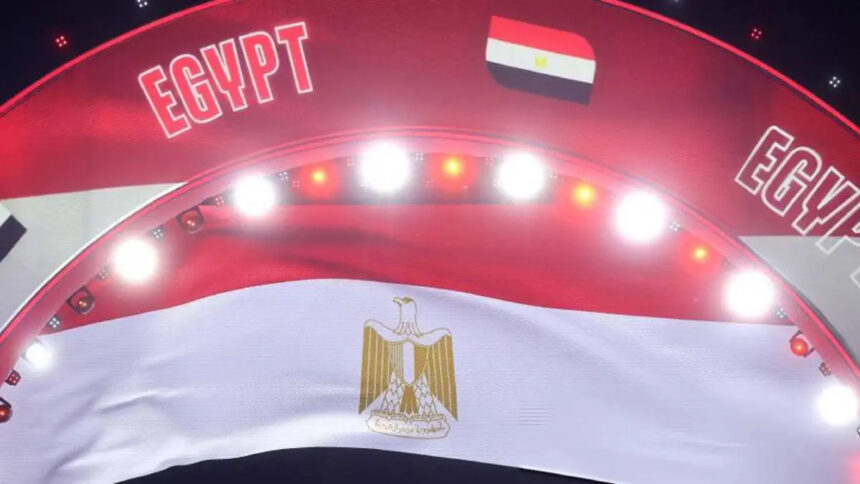
The draw for the 2026 FIFA World Cup has delivered a narrative-rich, high-stakes challenge for Egypt. Placed in Group G alongside Belgium, Iran, and New Zealand, the Pharaohs find themselves in a fascinating tactical puzzle—a group that is neither a nightmare nor a gift, but a precise test of their evolution under manager Hossam Hassan. For a nation whose footballing heart has been broken by narrow margins in recent campaigns, this draw presents a clear, albeit demanding, pathway to the knockout stages for the first time since 1990. The journey through Group G will be a story of European pedigree, Asian discipline, and Oceanic physicality.
Decoding the Group G Gauntlet: A Trio of Distinct Challenges
This is a classic World Cup group structure, offering one of each archetype: the continental heavyweight, the organized continental power, and the ambitious qualifier. Egypt’s success will hinge on their ability to deploy three different game plans. The draw has avoided a “group of death” scenario but has instead created what can be termed a legacy group for Egypt—a bracket where victory is earned through strategic nuance, not just raw talent.
First up are the European giants, Belgium. While the Golden Generation’s peak may have passed, their squad remains littered with world-class talent like Kevin De Bruyne and Romelu Lukaku. They are the undisputed seeds and favorites to top the group. For Egypt, this match is likely about damage limitation and goal difference, but an upset is not inconceivable if their defensive organization, marshaled by a fit-again Mohamed El Shenawy, is impeccable.
The second fixture pits Egypt against Asia’s hardest workers, Iran. Team Melli, under the shrewd management of Amir Ghalenoei, is the epitome of defensive structure and relentless counter-pressing. They are notoriously difficult to break down and possess clinical finishers like Mehdi Taremi. This match will be a grueling, tactical war of attrition, often the most pivotal game in any group stage. Egypt’s creativity in midfield and patience will be under a microscope.
The final group opponent is New Zealand, the physically demanding Oceania side. The All Whites bring a unique blend of aerial prowess, relentless energy, and a nothing-to-lose attitude. They are the group’s potential spoilers. For Egypt, this is a must-win game where they must contend with a direct and vigorous style, a test of their physical and mental resolve to secure the three points expected of them.
Tactical Keys for Pharaohs’ Progression
To navigate this triad of tests, Manager Hossam Hassan and his staff must craft specific blueprints. The margin for error is slim, and advancing will come down to executing in key moments.
- Exploit Set-Piece Superiority: With the aerial threat of players like Mostafa Mohamed and a dead-ball specialist like Trezeguet, Egypt must dominate set-pieces, particularly against Iran and New Zealand. This could be the decisive difference in tight, low-scoring affairs.
- Midfield Control and Transition: The battle in the engine room will define the Iran match. Players like Emam Ashour and Marwan Attia must control tempo, break lines, and quickly feed a front line that will have limited space. Against Belgium, midfield discipline in transition defense is non-negotiable.
- Managing Mohamed Salah’s Load: The captain remains the talisman, but at 34 by the tournament, his role may need to be strategically managed. Using his explosive energy in decisive moments against tiring defenses, rather than asking him to track back relentlessly, could preserve his game-changing impact.
- Defensive Solidity as a Foundation: Egypt’s hopes are built on a clean sheet. A center-back partnership of Ahmed Hegazi and a rising star like Mohamed Abdelmonem must be a cohesive unit from the first whistle. Their communication and organization against three starkly different attacking approaches will be paramount.
Pathway to the Knockouts: Predictions and Scenarios
So, can the seven-time African champions advance? The consensus is a cautious yes, but the route is fraught with tension. The most likely scenario for progression sees Belgium topping the group, leaving Egypt, Iran, and New Zealand to fight for the second spot. Here’s how it could unfold:
The opening match against Belgium is a free hit of sorts. A draw would be a monumental result, but a narrow, respectable loss is the expected outcome. The critical juncture comes in the second match versus Iran. This is essentially a knockout game a week early. A win here puts Egypt’s destiny firmly in their own hands heading into the final match. A draw leaves them needing a result against New Zealand while hoping other results go their way.
The final group game against New Zealand is where the pathway is fully within reach. On paper, this is Egypt’s most winnable fixture. The pressure, however, will be immense if they need a result. The Pharaohs’ experience in high-pressure CAF qualifiers and finals should, in theory, give them an edge in this specific scenario over the All Whites, who will be desperate to make their mark.
Prediction: Egypt finds a way. They navigate the margins with a crucial draw or win against Iran and a professional victory over New Zealand, securing a second-place finish in Group G. They advance, but not without a few heart-stopping moments that their fans have become accustomed to.
A Legacy in the Making
The 2026 World Cup draw has been kind in its clarity for Egypt. There are no mythical monsters, only known, respected opponents. This is a group that rewards preparation, tactical intelligence, and mental fortitude—qualities this Egyptian squad, steeped in the battles of African football, possesses in abundance. The shadow of past near-misses—the 2018 last-minute heartbreak, the 2022 qualification penalty drama—hangs over this team, but Group G offers a chance for redemption.
For the Pharaohs, this is more than just a draw; it is a defining chapter. To advance would exorcise demons, validate a generation of talent, and ignite a nation. The challenge from Belgium, Iran, and New Zealand is formidable, but it is a challenge perfectly sculpted for a team of Egypt’s profile. If they navigate the margins correctly, as they have so often failed to do, the gates to the knockout rounds will finally swing open once more. The journey through Group G is not just about reaching the last 16; it is about cementing a legacy and proving that Egyptian football can thrive on the world’s grandest stage.
Source: Based on news from Yahoo Sports.
Image: Source – Original Article