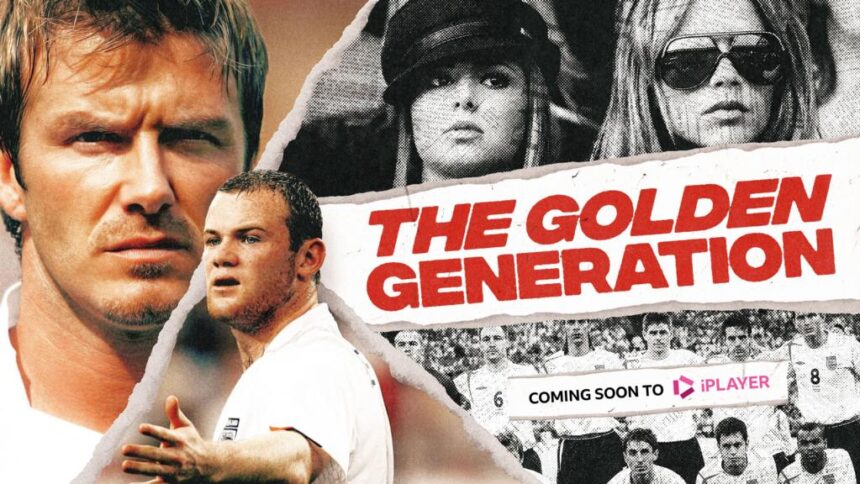
England 2006: The Golden Generation – Why the Dream Died in Germany
The summer of 2006 was meant to be England’s moment. The hype was deafening. The pubs were packed, the front pages were screaming, and the nation genuinely believed that a golden generation was about to deliver the World Cup. Yet, two decades later, the story of England 2006 remains a masterclass in unfulfilled potential. A new documentary trailer has dropped, teasing the inside story of that fateful campaign, and it asks the brutal question: why did England’s World Cup dream end in on-field agony and off-field acrimony? Let’s break down the anatomy of a disaster that still haunts English football.
The Golden Generation: A Cast of Superstars
On paper, England’s 2006 squad was a manager’s fantasy. This was not a team of hopefuls; this was a squad bursting with Premier League royalty. David Beckham, the global icon and captain, was still delivering match-winning free-kicks. Wayne Rooney, the prodigious young star, was the most terrifying teenager in world football. Rio Ferdinand and John Terry formed a world-class defence that had just conquered the Champions League. And then there was Steven Gerrard, Frank Lampard, and Paul Scholes (though Scholes had retired from internationals by 2006) – a midfield trio that should have dominated any opponent.
The belief was everywhere. Sven-Goran Eriksson, the calm, cool Swede, was leading England into his third World Cup. He had a golden ticket. The media, the fans, and even the players themselves believed this was destiny. The trailer for the new documentary captures this perfectly: a nation holding its breath, convinced that the agony of 1990 and the penalty shootout heartbreaks were finally over. This content is not available in your location – a frustrating reminder that the full story remains elusive for many fans, but the trailer alone reignites the pain.
The Hype Machine: When Celebrity Met Football
To understand 2006, you must understand the context. This was an era when celebrity culture was exploding. Beckham wasn’t just a footballer; he was a brand. Victoria Beckham, the Spice Girl, was a permanent fixture in the stands. The WAGs (Wives and Girlfriends) became headline stars themselves. The tournament was not just a sporting event; it was a shared national obsession that blurred the lines between sport and tabloid entertainment.
Every pub in England was draped in St. George’s flags. Every newspaper ran daily pull-outs. The pressure was suffocating. And while the players were treated like rock stars, the tactical preparation was, in hindsight, deeply flawed. Eriksson, despite his calm demeanor, was accused of being too passive. The midfield of Gerrard and Lampard, two of the Premier League’s greatest ever players, never clicked. They played like rivals, not partners. The question haunted the tournament: Why can’t they play together?
Expert Analysis: Where It All Went Wrong
Let’s get into the tactical dirt. England’s 2006 campaign was a slow-burning tragedy. Here is the brutal breakdown of why the golden generation turned to fool’s gold:
- Midfield Imbalance: Eriksson tried 4-4-2, 4-1-4-1, and even 4-3-3, but he could never solve the Lampard-Gerrard puzzle. Lampard took 28 shots in the tournament and scored zero goals. Gerrard looked lost on the left wing. It was a tactical disaster.
- Rooney’s Injury Gamble: Wayne Rooney arrived at the tournament with a broken metatarsal. England rushed him back. He was unfit, frustrated, and eventually got sent off in the quarter-final against Portugal. The prodigious young star became a liability.
- Beckham’s Decline: Beckham was still capable of moments of magic (like his free-kick against Ecuador), but his legs were gone. He was a passenger in open play, often leaving Gary Neville exposed. His tearful substitution against Portugal was the symbolic end of an era.
- The Penalty Curse: England had never won a World Cup penalty shootout. 2006 was no different. After a 0-0 draw with Portugal (where Rooney was sent off), England lost 3-1 on penalties. The curse continued.
The off-field acrimony was just as damaging. Rumors of WAG interference, player cliques, and Eriksson’s impending resignation (announced before the tournament) created a toxic atmosphere. The team was not a unit; it was a collection of superstars who couldn’t sacrifice their egos for the shirt.
The Quarter-Final Nightmare: Portugal 0-0 (3-1 pens) England
July 1, 2006. Gelsenkirchen. This was the night it all fell apart. England faced a Portugal side led by the brilliant Deco and a young Cristiano Ronaldo. The match was tense, ugly, and lacking quality. Then came the moment that defined the tournament: Wayne Rooney stamped on Ricardo Carvalho’s groin. Ronaldo, his Manchester United teammate, sprinted to the referee, screaming for a red card. Rooney pushed Ronaldo, the red card was shown, and England were down to ten men.
Extra time was a siege. England held on, but penalties were inevitable. Lampard, Gerrard, and Carragher all missed. Ronaldo stepped up and smashed the winning penalty past Paul Robinson. The golden generation was dead. The on-field agony was matched only by the off-field acrimony that followed: Rooney vs. Ronaldo, the media blaming the WAGs, and Eriksson walking away with a £10 million payoff.
Predictions: What the 2006 Documentary Will Reveal
Based on the trailer, I predict this documentary will not shy away from the ugly truths. Expect raw interviews that will confirm what many suspected:
- Eriksson lost the dressing room. The players ran the show. The manager was a figurehead, not a leader.
- The WAGs were a convenient scapegoat. The real problem was tactical naivety and a lack of a Plan B.
- Rooney’s temper cost England the tournament. If he doesn’t get sent off, England likely beat Portugal and face France in the semi-final. That was a winnable game.
- Beckham’s captaincy was symbolic, not strategic. He led by example in work rate, but he couldn’t organize a midfield that was falling apart.
The documentary will likely frame 2006 as the moment English football lost its innocence. The celebrity circus, the tactical failures, and the penalty heartbreak created a perfect storm of disappointment. And yet, the trailer reminds us of the hope. The belief was real. The golden generation was real. They just couldn’t win.
Strong Conclusion: The Legacy of 2006
England’s 2006 World Cup is a cautionary tale. It proves that talent alone is not enough. You need unity, tactical intelligence, and a bit of luck. The golden generation had everything except the one thing that mattered most: a winning formula. The trailer for this documentary is a punch to the gut for every England fan who remembers the summer of 2006. It was a summer of unbearable hope, followed by crushing despair.
Today, the players from that squad are retired. Some are managers, some are pundits, and some are just memories. But the question remains: Why did England’s World Cup dream end in on-field agony and off-field acrimony? The full answer is locked inside that documentary, which, frustratingly, is not available in your location. But the trailer is enough to remind us that, for one golden summer, England truly believed. And then, as always, the dream died.
The golden generation didn’t fail because they weren’t good enough. They failed because they couldn’t be a team. And that is the most painful lesson of all.
Source: Based on news from BBC Sport.