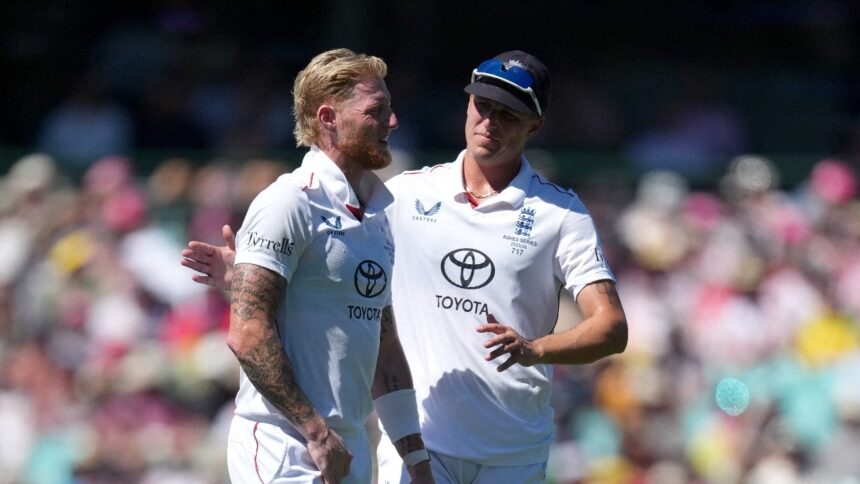
England’s ‘Drinking Culture’ Under Fire: Stuart Broad Dismisses Ashes Tour Criticism
The narrative of the hard-drinking, play-hard cricketer is as old as the sport itself. Yet, in the modern era of high-performance analytics and 24/7 media scrutiny, the line between team bonding and a problematic culture is thinner than an inside edge. Following England’s turbulent winter across Australia and New Zealand, that line was crossed in the court of public opinion, with accusations of a team drinking problem levelled at the squad. Now, one of England’s most decorated modern players, Stuart Broad, has stepped forward to mount a fierce defence of the current setup, dismissing the criticism as media-driven hyperbole.
A Winter of Headlines: Incidents That Sparked the Debate
The Ashes tour is always a pressure cooker, but for England, the 2023-24 edition spilled over off the field. The controversy wasn’t confined to the pitch. It began with images circulating from a mid-series break in Noosa, where several England players were photographed enjoying drinks by a pool. While seemingly innocuous, the timing—amid a struggling campaign—raised eyebrows about focus and professionalism.
The plot thickened in New Zealand during the subsequent white-ball leg. Emerging star and limited-overs captain Harry Brook was fined by the ECB following an altercation with a nightclub bouncer, an incident that inevitably became public. These episodes, viewed in quick succession, created a perfect storm. Pundits and former players began questioning the off-field culture within the England camp, suggesting a pattern of behaviour detrimental to the team’s image and performance.
- The Noosa Photos: Perceived by critics as a lack of seriousness during a critical series.
- The Harry Brook Incident: A direct disciplinary issue that resulted in official sanction.
- Media Narrative: The compounding of these events framed as a systemic “drinking problem.”
Broad’s Blunt Defence: Isolated Mistakes in a Strong Culture
Enter Stuart Broad. Freshly retired and possessing the credibility of 167 Test matches, Broad used his platform, ‘The For the Love of Cricket’ podcast, to address the elephant in the room. His rebuttal was unequivocal and rooted in a defence of team dynamics.
“They’ve just had a couple of guys who have made mistakes and that’s got into the media,” Broad stated, cutting to the heart of his argument. He reframed the conversation from one of systemic failure to individual error, a crucial distinction. For Broad, the true test of a team’s environment isn’t the prevention of every mistake—an impossibility with young adults in high-pressure jobs—but how those mistakes are handled internally.
“I think it’s up to your team-mates to get you out of those situations, and that’s when your culture’s really strong,” he elaborated. This insight points to a leadership group and a squad self-policing and supporting its members, rather than a culture of reckless enabling. Broad’s perspective suggests that the publicised incidents were the exceptions that proved the rule of a generally healthy environment, one where players are held accountable by their peers first and foremost.
Expert Analysis: The Impossible Balance of Modern Cricket
To understand this debate, one must appreciate the schism in cricket’s soul. The sport’s history is littered with tales of legendary social sessions; team bonding over a beer has long been considered integral to building the camaraderie required for five-day Tests. However, the contemporary game is a different beast. Fitness standards are Olympian, schedules are relentless, and the microscope of social media is unforgiving.
Where does team bonding end and unprofessionalism begin? There is no universal answer. A beer in the dressing room after a hard-fought day’s play is tradition. The same activity during a short break in a series you are losing can be spun as a lack of dedication. The context, as always, is king.
Broad’s defence hints at a pragmatic approach within the England camp: trust the players, allow them to unwind responsibly, and deal with issues internally when that trust is breached. This contrasts sharply with a more authoritarian model of extreme curfews and strict prohibitions. The latter can often be counterproductive, fostering resentment. The challenge for captain Ben Stokes and coach Brendon McCullum is to maintain their famously relaxed, player-empowering environment while ensuring that empowerment isn’t mistaken for a free pass.
Predictions: Will the “Bazball” Culture Survive Scrutiny?
The Stokes-McCullum era is built on a philosophy of fearless play and freeing players from the fear of failure. This “Bazball” identity extends off the field to a degree, promoting a tight-knit, player-led culture. The recent scrutiny is the first significant test of that culture’s external perception.
Looking ahead, we can predict several outcomes:
- Increased Internal Vigilance: While publicly defended, players like Harry Brook will likely receive intensified, private mentorship from senior figures. The “team-mates getting you out of those situations” Broad mentioned will become more proactive.
- Media Strategy Shift: The ECB and team management may become more cautious about players’ public visibility during downtime on tours, aware of how images can be narrativized.
- Culture Proven by Results: Ultimately, winning is the greatest silencer. If England’s positive, player-centric culture continues to produce thrilling cricket and series victories, the noise around off-field behaviour will fade. If results dip, the criticism will return with a vengeance, rightly or wrongly.
Conclusion: Problem or Prurience?
Stuart Broad’s intervention is a significant one. It draws a clear line between condemning specific, punishable actions and condemning an entire team’s way of life. The winter’s incidents were undeniably regrettable, and Brook’s fine was justified. But to extrapolate from these to a label of a “drinking problem” may say more about our appetite for scandal than the reality inside the England dressing room.
The modern athlete exists in a paradox: expected to be a relatable human yet a flawless brand ambassador. England’s cricket team, under its current leadership, has chosen a path of authentic human management over robotic control. That path will occasionally lead to visible stumbles. The true measure of this team’s off-field culture won’t be the absence of error, but, as Broad astutely notes, the strength and sincerity of the collective response when errors occur. The debate is less about alcohol and more about trust, responsibility, and whether a team culture built on freedom can consistently police itself at the highest level.
Source: Based on news from India Today Sport.