From Petco Park to LNER Stadium: Ex-Padres Co-Owner Ron Fowler Seizes Control of Lincoln City
The transatlantic pipeline of sports ownership is flowing with renewed vigor, and its latest current has swept from the sun-drenched coast of California to the historic heart of Lincolnshire. In a move that signals a new, ambitious chapter for a storied English football club, former San Diego Padres executive chairman and co-owner Ron Fowler is set to take a controlling stake in League One’s Lincoln City. This isn’t a mere celebrity investment; it’s a strategic takeover by a seasoned sports mogul poised to reshape the Imps’ future.
A Cross-Continent Deal: From Minority Interest to Majority Control
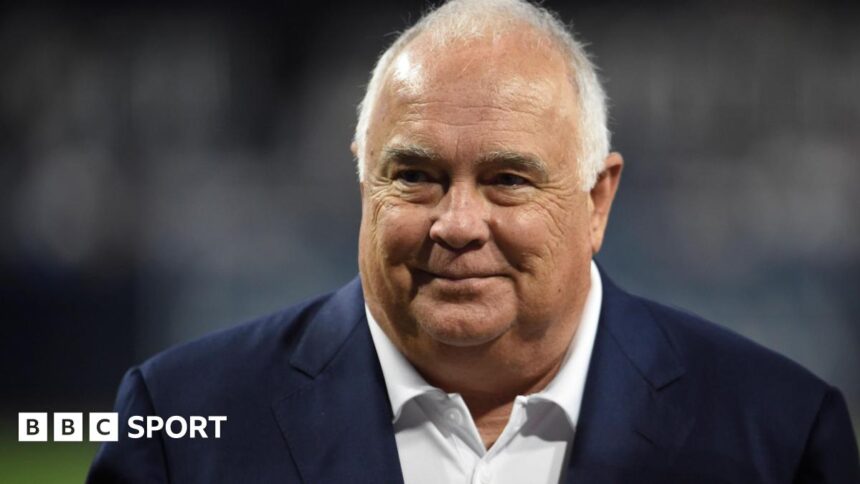
The journey to majority ownership began quietly in April 2024, when American businessman Ron Fowler acquired a minority interest in Lincoln City. That initial foothold was a precursor to a more significant power shift. On December 11, 2024, Lincoln’s board approved a proposal from Fowler, acting through his company Liquid Investments, to increase his stake to more than 25%, triggering a change in control.
This move will see Fowler replace Arizona-based Harvey Jabara as the club’s majority shareholder, pending the final approval from the English Football League. Crucially, Fowler will also assume the role of chairman at the LNER Stadium, placing him directly at the helm. The club statement outlined the immediate practical impact: Fowler will “assume responsibility for the funding of the club for the immediate future,” providing crucial financial stability and a platform for growth.
This is a family affair, with Fowler’s son, Andrew, also deeply involved in the club’s operations, suggesting a long-term, hands-on commitment that extends beyond a passive financial injection.
Ron Fowler’s Playbook: Lessons from Major League Baseball
To understand the potential impact on Lincoln City, one must look at Fowler’s pedigree in San Diego. He was part of the ownership group that purchased the San Diego Padres in 2012 and served as the club’s executive chairman and public face until his departure in 2020. His tenure in Major League Baseball was defined by several key themes:
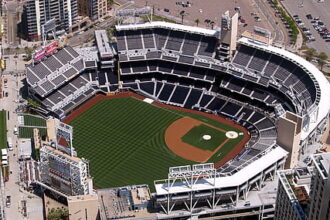
- Stadium and Facility Development: Fowler was instrumental in the continued development and modernization of Petco Park, widely regarded as one of baseball’s premier venues. This expertise in enhancing fan experience and commercial infrastructure could be transformative for the LNER Stadium.
- Frontline Leadership: As executive chairman, Fowler was no silent partner. He was a vocal, often fiery, advocate for the franchise, directly engaging with media and fans on strategy and performance. Lincoln City can expect a visible and accountable chairman.
- Navigating High-Stakes Leagues: Operating in MLB, with its lack of a salary cap and intense competition, requires sharp business acumen and strategic roster building. These skills in navigating a complex, competitive ecosystem are directly transferable to the challenge of English football’s pyramid.
Fowler’s exit from the Padres in 2020 was part of a sale to a new ownership group, but his appetite for sports ownership clearly remained. Lincoln City represents a different scale but a similarly passionate fanbase and a compelling project.
Analysis: What Fowler’s Ownership Means for Lincoln City
The immediate injection of financial assurance is the most obvious benefit. In the precarious world of League One, a chairman willing to underwrite the club’s funding provides a massive competitive cushion. But the implications run deeper.
First, this likely signals a shift towards a more data-driven and modernized operation. American sports owners have been at the forefront of analytics and sophisticated business modeling. Fowler’s regime may bring enhanced scouting systems, performance analysis, and commercial strategies to Sincil Bank.
Second, it raises the club’s international profile. The connection to a prominent MLB figure creates immediate buzz and could open doors to new commercial partnerships and a broader fan network, particularly in the United States.
However, challenges loom. The cultural transition from American sports, with their drafts and closed leagues, to English football’s promotion-and-relegation drama is significant. Fowler must quickly grasp the nuances of the EFL’s financial regulations, the importance of academy development, and the intense, weekly emotional toll of the football calendar. His success will hinge on marrying his MLB-honed business savvy with a genuine, learned appreciation for English football’s unique soul.
The Road Ahead: Predictions for the Imps’ New Era
With Fowler’s takeover, Lincoln City’s trajectory appears poised for an ambitious recalibration. Here’s what the future may hold:
- Short-Term (Next 18 Months): Expect a period of assessment and infrastructure investment. The focus will be on stabilizing finances, potentially upgrading training facilities, and conducting a thorough review of football operations. On-field, the goal will be consolidating a stable League One position with an eye toward building a playoff-caliber squad.
- Medium-Term (3-5 Years): The stated ambition will almost certainly become a sustained push for the Championship. Fowler did not enter MLB or English football to make up the numbers. His investment signals a desire to climb. This phase would likely see larger investments in playing talent and a possible expansion or redevelopment of the stadium’s commercial capacities.
- Long-Term Vision: Fowler’s model may well be to establish Lincoln City as a smart, sustainable, and forward-thinking Championship club—a “Moneyball” ethos applied to football. The ultimate dream, of course, would be a Premier League adventure, a feat that would eclipse anything in the club’s modern history.
The key variable will be patience. Football fans are notoriously demanding, and the learning curve for any foreign owner is steep. How Fowler manages expectations while implementing his vision will define his legacy.
Conclusion: A Historic Inflection Point for the Imps
Ron Fowler’s impending acquisition of a controlling stake in Lincoln City is more than a simple ownership change; it is a statement of intent from both parties. For Fowler, it is a return to the frontline of sports ownership with a project rich in history and potential. For Lincoln City, it is an opportunity to tap into a reservoir of elite sports executive experience, financial muscle, and global perspective.
The journey from the minor interest of April to the controlling stake of December reveals a decisive investor who has seen something special in the Imps. While the shadow of past foreign owners in English football serves as a cautionary tale, Fowler’s specific background as a hands-on executive chairman from a major U.S. league offers a different, perhaps more applicable, blueprint. If he can successfully transplant his expertise while honoring the club’s deep-rooted identity, the fusion of American sports business and English football passion at the LNER Stadium could propel Lincoln City to heights not seen in generations. The next chapter of this 140-year-old story is being written with a distinctly transatlantic accent.
Source: Based on news from BBC Sport.