For the First Time in 62 Years, the Grass Has a Name: Dodger Stadium Enters the Field Naming Rights Era
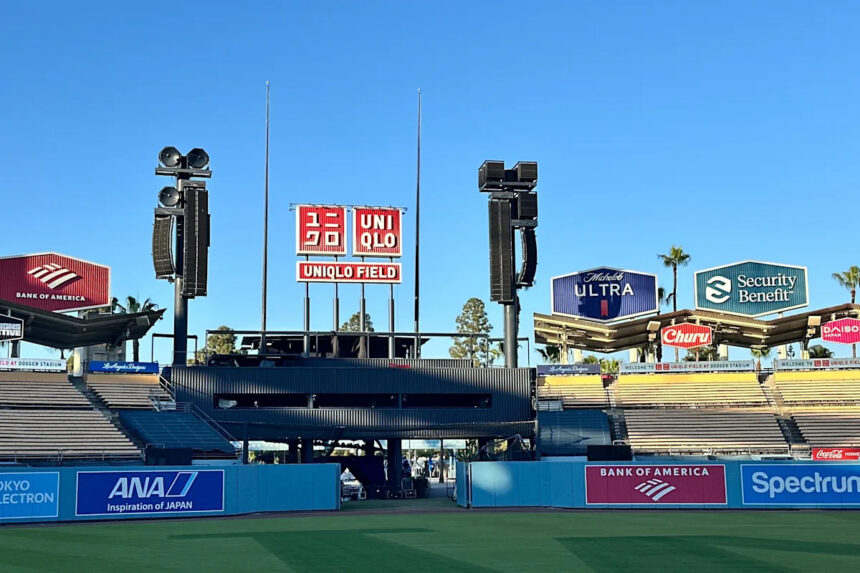
For over six decades, the hallowed ground of Dodger Stadium was known simply as that: the field. A pristine, emerald canvas where legends like Koufax, Gibson, and Kershaw painted their masterpieces. That era ended not with a bang, but with a corporate announcement. In a move that signals a seismic shift in the sport’s commercial landscape, the Los Angeles Dodgers have secured a naming rights partner for the playing surface itself. The field at Chavez Ravine, the third-oldest ballpark in Major League Baseball, will now carry a sponsored name for the first time in its storied history. This decision marks the end of one of baseball’s last great naming taboos and opens a new, complex chapter for America’s pastime.
The End of an Era: Why “The Field” Was Sacred
Since its opening in 1962, Dodger Stadium has been a fortress of tradition. While other historic venues like Fenway Park (1912) and Wrigley Field (1914) are older, Dodger Stadium stood apart in its naming purity. The Dodger Stadium field naming rights were considered untouchable, a core part of its identity. The stadium itself bore the team’s name, a rarity in modern sports, and the grass was just… grass. It was a conscious choice, reflecting an ethos where the game, not corporate branding, was the star.
This purity was part of the ballpark’s charm. Fans and broadcasters spoke of “the field at Dodger Stadium” with a reverence usually reserved for cathedrals. It was a direct link to the game’s pastoral roots, a green diamond unadorned by commercial logos. The decision to finally monetize this space is a stark acknowledgment that even baseball’s most iconic institutions are not immune to the economic pressures of the 21st-century game. It represents the final frontier of stadium monetization, following the now-commonplace naming of the venues themselves, their entrances, and even individual sections.
Breaking Down the Business of Grass: A Billion-Dollar Diamond
So, why now? The financial logic is undeniable. The Dodgers, under the Guggenheim ownership group, have been industry leaders in revenue generation, boasting a record-breaking local television deal and consistently topping MLB in attendance. Securing a Dodger Stadium field sponsor taps into a previously unrealized revenue stream of immense value.
- Unprecedented Exposure: Unlike a stadium name, which is mentioned at the start and end of broadcasts, the field is in constant view. Every camera shot, every highlight reel, every televised pitch features the branded turf. This offers a sponsor unparalleled, game-long visibility.
- Historical Significance: Being the “first” to put a name on this iconic field carries its own premium. It’s a permanent footnote in baseball history, guaranteeing the sponsor’s name will be woven into the narrative of the stadium for years to come.
- Global Brand Alignment: For a company, aligning with the Dodgers—a global sports brand with a legacy of excellence—is a powerful marketing tool. It associates their product with winning, sunshine, and Hollywood glamour.
This deal is less about necessity and more about maximizing asset value. It follows a league-wide trend where even tradition-rich teams are seeking new commercial avenues, from the patch on the Yankees’ jersey to the sponsored segments during Red Sox broadcasts. The historic Dodger Stadium sponsorship is the pinnacle of this trend, setting a new benchmark for what is considered sellable space.
Fan Reaction and the Slippery Slope of Commercialization
The announcement has predictably sparked a fiery debate among the Dodger faithful and baseball purists. The reaction spectrum is wide:
- The Traditionalists: They see this as a step too far, a defilement of a sacred space. To them, it’s the sporting equivalent of slapping a bumper sticker on a classic car.
- The Pragmatists: This group understands the business of modern baseball. They reason that if the revenue from the Dodger Stadium field sponsor deal is reinvested in player payroll, stadium improvements, or fan experiences, it’s a net positive.
- The Indifferent: For many younger fans, who have grown up in a world of sponsored everything, this change is barely noticeable. The game on the field remains the same.
The critical question is one of saturation. If the field is now sponsored, what’s next? The batter’s box? The pitcher’s mound? The baseline? This move potentially opens a floodgate, challenging the aesthetic and spiritual balance of the ballpark experience. The Dodgers’ front office will be keenly aware of this tension; their execution—how prominently the branding is displayed and how the sponsor is integrated—will be crucial in managing fan sentiment.
The Future of Ballpark Identity: Predictions for MLB and Beyond
The Dodgers’ groundbreaking deal is not an isolated event. It is a harbinger for the entire industry. We can now make several key predictions:
1. The Domino Effect Will Begin: Other teams with stadium-named venues, particularly those with newer parks seeking revenue, will aggressively pursue their own MLB field sponsorship deals. The pressure on historic parks like Fenway and Wrigley will intensify, though their status as living museums may protect them a while longer.
2. Creative Integration Will Be Key: The future of these sponsorships lies in subtle, tech-forward integration. Imagine a sponsored strike zone graphic for TV broadcasts, or augmented reality features for fans in the ballpark linked to the field sponsor, rather than just a large, painted logo on the grass.
3. The Language of the Game Will Evolve: Broadcasters and journalists will face a new linguistic challenge. Will they say, “A groundball to shortstop on the [Sponsor Name] Field,” or will they default to the traditional “here at Dodger Stadium”? The adoption of the new name in everyday baseball lexicon will be the ultimate test of its acceptance.
4. A New Standard for Valuation: This deal will create a new metric for sports business, establishing the market rate for premier playing surface sponsorship. Every future deal in MLB, the NFL, and international soccer will be measured against the Dodger Stadium field naming rights agreement.
Conclusion: Tradition vs. Progress on a Sponsored Diamond
The grass at Chavez Ravine will still be the same meticulously manicured Kentucky bluegrass. The sun will still set behind the San Gabriel Mountains. The roar of the crowd for a home run will sound identical. But from now on, that grass will have a corporate name. The sponsorship of the Dodger Stadium field is a symbolic milestone, a definitive moment where the billion-dollar business of baseball fully embraced one of its last untouched traditions.
Whether this is viewed as a necessary evolution or a step over a sacred line depends largely on one’s perspective. What is undeniable is that the move reshapes the commercial architecture of the sport. It proves that in today’s game, no asset is too historic, no space too hallowed, if it can drive value. As the Dodgers take the field on Opening Day, they will be playing on a piece of history that is also a piece of the future—a future where the game’s past and its commercial ambitions are inextricably linked, blade of grass by blade of grass. The echo of Vin Scully’s voice may now have a corporate sponsor, but the hope in Los Angeles is that the magic he described will remain, forever, unchanged.
Source: Based on news from Yahoo Sports.