Frank at the Crossroads: Was the Spurs Experiment Doomed from the Outset?
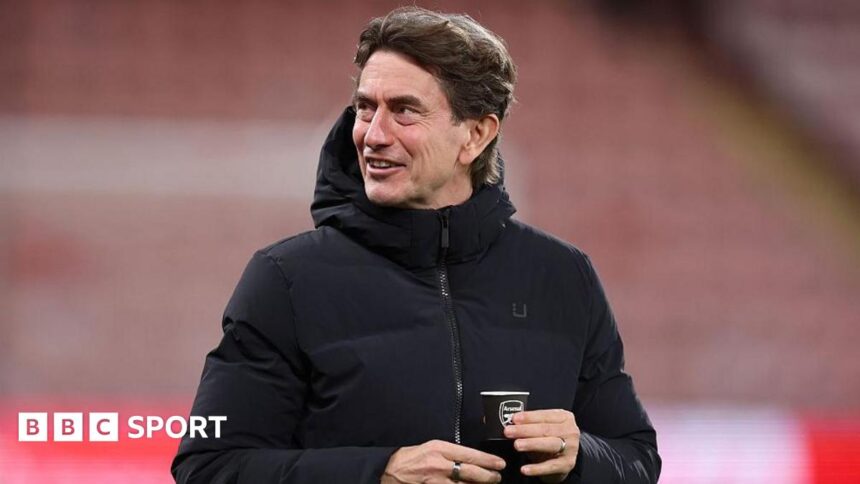
The image was a gift to the meme-makers and a curse to a crumbling project: Thomas Frank, head coach of Tottenham Hotspur, sipping pensively from an Arsenal-branded cup. In the grand scheme, a trivial oversight. In the hyper-charged, superstitious theatre of the Premier League, it was a perfect metaphor. As Spurs slumped to yet another dismal defeat at Bournemouth, the accidental allegiance felt like an omen. The incident, the result, and the subsequent social media firestorm have converged into a single, deafening question: has Thomas Frank’s tenure at Tottenham Hotspur reached an irreversible crisis point, and was this union fatally flawed from the very beginning?
The Perfect Storm: Bournemouth, a Cup, and Captain Chaos
Last weekend’s trip to the Vitality Stadium was meant to be a chance for stabilization. Instead, it became a microcosm of Frank’s troubled reign. The performance was tepid, the tactics questionable, and the result—a 2-0 loss—was met with familiar toxicity from the traveling fans, directed at both players and the dugout. The Arsenal cup gaffe, though innocently explained as a stadium-provided drink, became the igniting spark in a tinderbox of frustration.
It was never about the cup itself. It was about the perceived lack of authority and the erosion of control it symbolized. In the ruthless world of football optics, a leader cannot afford such symbolic missteps. The subsequent deluge of online mockery from Arsenal fans only deepened the sense of a club being laughed at, its identity blurred.
Then, the real explosion. Captain Cristian Romero took to Instagram, posting and then editing a story that appeared to accuse the club’s hierarchy of telling “lies.” Whether aimed at transfer promises, tactical visions, or general direction, a public outburst from the team’s on-field leader is a damning indictment of the climate within. It points to a fractured dressing room and a breakdown in communication from the top down—issues that sit squarely at the manager’s door.
- On-Field Failure: A tactically limp display leading to a damaging defeat.
- Symbolic Slip: The Arsenal cup incident, a gift to detractors and a sign of eroding control.
- Leadership Vacuum: Romero’s social media outburst revealing deep-seated discontent and a lack of managerial authority.
Doomed from the Start? A Clash of Footballing Philosophies
To understand the current crisis, one must re-examine the appointment itself. Thomas Frank arrived at Spurs heralded as a progressive, project-based coach, the architect of Brentford’s meticulous and overachieving rise. His philosophy was built on clarity, data, and a specific, aggressive system. Tottenham, however, is an institution with a different kind of weight—a demand for expansive football married to immediate results.
The fundamental mismatch may have been fatal. Frank’s system requires time, patience, and specific player profiles. Spurs, still reeling from years of managerial turnover and a squad built by multiple visions, presented a puzzle of mismatched pieces. The famed “Spurs DNA” of attacking flair is a nebulous concept, but the fanbase’s expectation for it is concrete. Frank’s more structured, perhaps pragmatic, approach has often looked like a square peg in a round hole, leading to performances that are functional at best and dire at worst.
Furthermore, his quiet, analytical demeanor, so effective at a club like Brentford, is being interpreted as passivity at a giant like Tottenham. The club has historically been swayed by strong, charismatic figures. In times of turmoil, fans and players alike look for a fiery, defiant leader. Frank’s calmness, once a strength, is now perceived as a weakness, an inability to rally or intimidate. The Romero situation is the clearest evidence that his message is not getting through, or worse, not respected.
The Authority Erosion: When the Message Stops Getting Through
A manager’s authority is his currency. It is spent in team selection, tactical demands, and disciplinary measures. Evidence suggests Frank’s reserves are dangerously low. The toxic fan reactions at full-time, once reserved for players, are now routinely aimed at the coach. Player performances, such as the lackluster showing at Bournemouth, can sometimes betray a lack of motivational spark.
Romero’s Instagram activity is the nuclear-grade signal of this erosion. For a captain to publicly vent—however cryptically—suggests a breakdown in private channels. It shows players feel empowered to go outside the manager and the club’s traditional media structure, a sure sign the internal chain of command is broken. Managing a squad with big personalities and bigger egos requires an iron grip or immense buy-in; Frank currently appears to have neither.
This creates a vicious cycle: poor results weaken authority, weakened authority leads to disjointed performances and player dissent, which in turn guarantees more poor results. The Arsenal cup incident, silly as it is, fed directly into this narrative of a man not in full command of his environment.
What Comes Next: Last Stand or Point of No Return?
The international break offers a momentary respite, but the storm clouds are gathering. The board faces a critical decision. Do they double down on their “project” manager, providing public backing and funds in January to reshape the squad in his image? Or do they cut their losses, fearing a slide into mid-table obscurity and further unrest?
Frank’s immediate future likely hinges on the next two to three league games. The fixture list offers no easy salvation. He needs a dramatic, unequivocal response: a win characterized by fight, clarity, and a visible reassertion of control. Anything less will see the pressure become untenable.
Key predictions for the coming weeks:
- Boardroom Patience Tested: The Romero incident will have alarmed the hierarchy more than any defeat. Their private handling of it will be telling.
- January as a Judgment: If Frank survives, the January transfer window becomes a referendum. Significant investment in “his” players is the only way to salvage the project.
- Fan Sentiment as the Bellwether: The mood at the next home game will be crucial. A fast start could buy time; a slow one will invite immediate and vocal hostility.
Conclusion: More Than a Mug’s Game
The Arsenal cup was not the cause of Thomas Frank’s crisis at Tottenham, but it was a strikingly apt symbol of it. It represented a lapse in detail, a gift to enemies, and a moment that highlighted his perceived lack of ingrained club culture. The real issues run far deeper: a potential philosophical mismatch from day one, a failure to transmit his ideas with authority, and a squad beginning to fray at the edges.
Frank was hired to build a new, intelligent Tottenham. Instead, he finds himself presiding over the same old patterns of drama and disappointment. The question is no longer about a simple drinking vessel, but about whether he still holds the vessel of trust—from his players, the fans, and the board. The answer to that will determine if this is a crisis he can navigate, or if the entire project was, indeed, doomed from the start. The next chapter will be written not in a press conference explanation, but in the reaction of his players on the pitch and the decisive actions of a board running out of time and patience.
Source: Based on news from BBC Sport.