From Write-Off to Right on Track: The Danny Rohl Revolution at Rangers
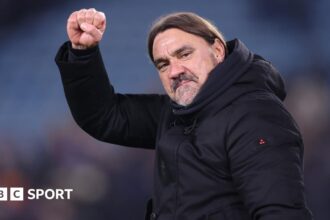
When the bookmakers priced Rangers at a staggering 14/1 to win the Scottish Premiership in October, it wasn’t merely a reflection of a poor start. It was a damning indictment, a symbol of a fallen giant adrift. For a club of Ibrox’s stature, such odds were not just long; they were humiliating. The ship, under the command of Russell Martin, was listing badly in choppy waters, with direction and identity lost at sea. Enter Danny Rohl. The young German coach, once an assistant to Hansi Flick at Bayern Munich and the German national team, walked into a storm. Fast forward to the present, and the narrative has undergone a seismic shift. Rangers are now just six points behind league-leading Hearts, with a palpable sense of momentum building in Govan. The question is no longer about survival, but about sustainability and silverware. How has Rohl engineered this remarkable turnaround, and what must come next to complete the mission?
Navigating the Storm: The Immediate Rohl Impact
Danny Rohl’s initial task was not aesthetic; it was existential. Results had to change immediately to stave off a crisis that could have defined the season. His first masterstroke was a shift in foundational principles. Under Martin, a possession-centric approach often lacked penetration and was catastrophically vulnerable in transition. Rohl, while not abandoning the ball, introduced a pragmatic spine. He prioritized defensive structure and organization, making Rangers harder to beat—a simple but vital first step.
The results were almost instantaneous. Where before there was chaotic fragility, a new resilience emerged. However, as the key facts note, while results turned quickly, performances took longer to follow. Early wins were often gritty, fueled by moments of individual quality or sheer will rather than cohesive, dominant play. This period was crucial; it built belief and banked points while Rohl worked tirelessly on the training ground to imprint his more detailed tactical philosophy. He was administering footballing medicine: first, stabilize the patient; then, begin the rehabilitation.
Building the Blueprint: Tactical Identity Takes Shape
Now, we are witnessing the second phase of the Rohl project: the emergence of a clear and effective tactical identity. The team that many had written off is now firing with a recognisable pattern. Rohl has implemented a high-pressing, vertically-oriented system that seeks to win the ball aggressively and attack with pace and purpose.
- Structural Discipline: The 4-2-3-1 or 4-3-3 shape is far more compact, with distances between lines reduced. This denies space to opponents and forms the platform for the press.
- Aggressive Transition: Rangers now look devastating when turning defence into attack, a stark contrast to the passive periods under the previous regime. Midfielders are instructed to play forward passes quickly.
- Demanding the Duels: Rohl’s football is physically demanding. He expects every player to compete in their individual battles, a non-negotiable that has increased the team’s intensity tenfold.
Key players who had struggled are now thriving in defined roles. The system empowers them. There is a feeling that the coach is not just managing a squad, but building a specific machine, with each cog knowing its function. This clarity is the hallmark of excellent coaching and is why performances are now catching up with the positive results.
The Winter Window: Final Pieces of the Rohl Puzzle
Sitting within touching distance of the summit, the January transfer window takes on monumental importance. Rohl has already been aided by his winter additions, but further work is needed to transform a resurgent contender into a champion. The squad, while improved, still has evident gaps that must be addressed to sustain a title challenge and handle the relentless pressure at Ibrox.
So, what does Rohl still need to do in the window? The priorities are clear:
- A Clinical, Physical Striker: While the attacking play has improved, a reliable, robust centre-forward who can guarantee goals in tight, physical Scottish fixtures is paramount. This is the number one priority.
- Permanent Defensive Reinforcement: The defence has improved, but long-term solutions are needed. A dominant, left-sided centre-back who fits the aggressive defensive line would solidify the backline for years to come.
- Midfield Dynamism: Adding another midfielder with the engine to execute Rohl’s pressing for 90 minutes, and the quality to break lines with passing, would provide crucial depth and quality.
This window is about adding quality, not quantity. Two or three key signings of the right profile and character could make the difference between a valiant effort and a historic triumph.
Predictions: What’s Next for Rohl’s Rangers?
The trajectory is undeniably positive. The pressure is certainly on, but it has shifted from the pressure of desperation to the pressure of expectation—a pressure Rangers must relearn to embrace. Predictions for the remainder of the season hinge on two factors: January business and handling the psychological weight of a title race.
First, with the right additions, Rangers will push Hearts all the way. The six-point gap is far from insurmountable, especially with four Old Firm derbies still on the calendar. Rohl has already shown his tactical acumen in big games, and his team will not fear anyone.
Second, the mentality shift will be Rohl’s final frontier. Transforming a team from underdogs to front-runners is a unique challenge. He must now instil a relentless, winning mentality that grinds out results even on off-days. The signs are promising; the fight shown in recent matches suggests this group is developing the requisite character.
Conclusion: A Foundation Forged, A Future in the Making
Danny Rohl’s work at Rangers, in such a short time, has been nothing short of transformative. He took a squad labelled as write-offs and restored its confidence, its identity, and its ambition. He moved the club from a staggering 14/1 long shot to a genuine contender, righting a ship that was dangerously off course. The journey from write-off to right on track is a testament to modern coaching, tactical intelligence, and man-management. The story of this season is no longer about redemption; it is about realisation. The foundation is firmly set. The next chapter depends on the final pieces brought in this winter and the squad’s ability to shoulder the rising expectations. For the first time in a long while, the future at Ibrox looks not just hopeful, but meticulously planned and bursting with potential. The Rohl Revolution is underway, and Scottish football is on notice.
Source: Based on news from BBC Sport.