Have Chelsea Progressed Under Liam Rosenior? A Critical Analysis of the Blues’ New Era
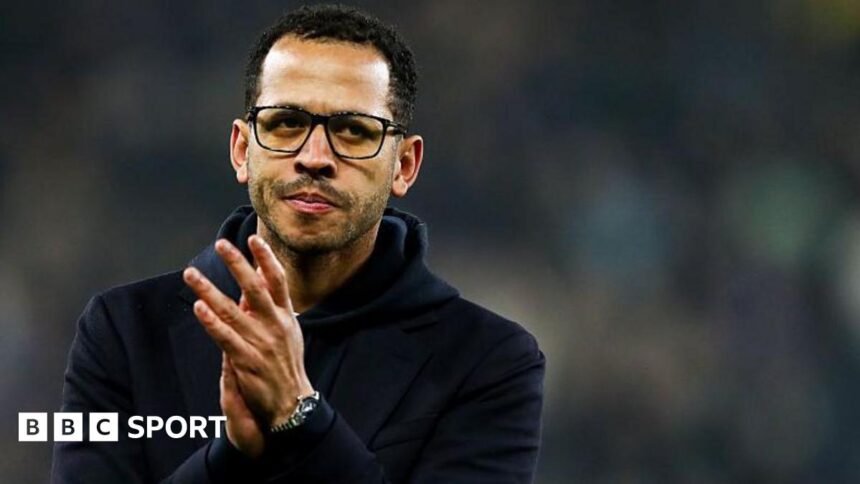
The image was one of defiance, or perhaps contrition, amidst the Merseyside rain. As the final whistle confirmed a dismal 3-0 defeat at Everton, Chelsea manager Liam Rosenior turned away from the pitch and towards the away end, applauding the travelling supporters with a steadfast, deliberate focus. The gesture, captured and dissected across social media, has become a defining snapshot of his embryonic and increasingly turbulent tenure. With Chelsea now mired in their worst losing run in over a year, sitting sixth and watching Champions League qualification slip further from view, a pressing question demands an answer: have Chelsea truly progressed under Liam Rosenior?
The Rosenior Appointment: A Project of Patience Meets Instant Demand
When Chelsea appointed Liam Rosenior, they signaled a clear departure from the chaotic, short-term cycles that had characterized recent years. Here was a young, tactically astute coach, lauded for his progressive philosophy and man-management at Hull City, tasked with building a long-term project. The mandate was to mold a talented but inconsistent squad into a cohesive, modern unit. The reality of managing Chelsea, however, is that the demand for immediate results is as relentless as the Stamford Bridge spotlight. This fundamental tension—project versus performance—lies at the heart of the current crisis. The recent 3-0 defeat at Everton was not just a loss; it was a performance that laid bare the squad’s lingering frailties: defensive fragility, a lack of midfield control, and a startling absence of fight. Suffering a fourth consecutive defeat for the first time since 2023 is a stark statistic that no long-term vision can easily excuse.
Analysing the Data: Regression or Rocky Adjustment?
Statistically, the case for progress is fragile. While Rosenior’s initial games showed glimpses of a more controlled possession style, the recent collapse paints a worrying picture. The team has slid to sixth in the Premier League table, and the gap to the top four has widened to a concerning six points. The attack, often reliant on individual moments of brilliance from the likes of Cole Palmer, has looked disjointed. Defensively, the team appears more vulnerable, not less.
However, a deeper analysis requires context. Rosenior inherited a squad with a specific, and some would say flawed, recruitment profile—extremely young, physically developing, and with little experience of sustained pressure. His task is one of education and instillation of a new tactical identity, a process notoriously non-linear. Key questions being asked include:
- Is the system too complex for the current squad to execute under pressure?
- Are the players fully buying into the long-term vision amidst poor results?
- Has the manager’s messaging, publicly calm and analytical, failed to spark the required urgency?
The one-point gap to fifth-placed Liverpool offers a thin reed of hope, suggesting the league’s congestion keeps Champions League hopes technically alive. But the margin for error is now virtually zero.
The Dressing Room Dynamic: Are The Players On Board?
This is the most critical unknown. Rosenior’s reputation as a communicator and developer of young talent was a key factor in his hiring. Early reports suggested a positive training ground atmosphere. Yet, the nature of performances during this losing streak—particularly the lack of resilience after going a goal down—inevitably leads to speculation about player buy-in. Senior professionals must become extensions of the manager on the pitch, and there have been few signs of that leadership emerging organically.
Rosenior’s post-Everton applause to the fans was likely a calculated move, aimed at shielding his players and connecting with the supporter base. But the true test will be the reaction in the dressing room. Does that gesture resonate as shared responsibility, or does it highlight a disconnect? As the season reaches its climax, Rosenior needs his squad to play for him and his system, not just in it. The coming weeks will reveal whether he has lost the core of the dressing room or is merely experiencing the painful, early-stage turbulence of a major rebuild.
The Run-In: Predictions for a Defining Final Act
The narrative of Rosenior’s first season, and possibly his entire Chelsea future, will be written in the next month. The fixture list offers no respite, with crucial matches against direct rivals and teams fighting for survival. The objective remains clear: secure fifth place to guarantee Champions League football, a necessity for the club’s sporting and financial ambitions.
Prediction scenarios are now polarized:
- The Optimistic Turnaround: Rosenior simplifies the tactical approach, finds a settled backline, and unlocks the midfield partnership of Enzo Fernández and Moisés Caicedo. The raw talent in the squad sparks a late run, sneaking into fifth and validating the “project” with tangible success.
- The Continued Struggle: The defensive issues persist, confidence remains low, and the team stumbles to a seventh or eighth-place finish. This would represent a clear regression from last season and place immense, likely untenable, pressure on Rosenior’s position, regardless of the long-term plan.
The most likely outcome sits uncomfortably in the middle: a patchy, inconsistent end to the season that sees Chelsea finish sixth or seventh, outside the Champions League places. This would force a brutal summer assessment from the board about the speed and viability of the project.
Verdict: Progress Postponed, Patience Wearing Thin
So, has there been progress under Liam Rosenior? In terms of a clear, sustainable football identity, the evidence is scant. In terms of results and league position, there has been a demonstrable step backwards during this critical period. The fourth consecutive defeat at Everton was a milestone of negativity, not a bump in the road.
However, to dismiss Rosenior already would be to repeat the very cycle Chelsea claimed they wanted to break. His tenure is a case study in the immense difficulty of implementing a philosophical shift at a club where the demand for excellence is perpetual. The applause at Goodison Park was a symbol of a manager trying to bridge the gap between a distant vision and a furious present.
The stark conclusion is this: progression has been postponed. The goodwill of a “project” is evaporating with each loss. Rosenior now faces the ultimate managerial test: to stop the rot, to find a formula that yields immediate points, and to prove he can be both a architect for the future and a firefighter for the present. The final chapters of this season will determine not just Chelsea’s European fate, but whether the Liam Rosenior era is the beginning of a new dawn or another false start at Stamford Bridge.
Source: Based on news from BBC Sport.