F1 2026: The Dawn of a New Era – Decoding the Biggest Rules Revolution in Decades
The relentless pursuit of speed, sustainability, and spectacle is about to trigger a seismic shift in Formula 1. As the final chapter of the current ground-effect era is written, the sport’s architects are preparing for what is being billed as its most significant technical and sporting overhaul in a generation, set for 2026. This isn’t a simple tweak to the front wing or a minor engine adjustment; this is a holistic reimagining designed to redefine the very DNA of a Grand Prix. From the roar (or lack thereof) of the power units to the shape of the cars and the very nature of the racing, F1 in 2026 will be a brave new world. We are standing on the precipice of the biggest-ever rules change. But what will the view look like from the other side?
The Heart of the Revolution: A Bold New Power Unit
At the core of the 2026 transformation is a radically redefined power unit. The current complex and costly MGU-H (Motor Generator Unit – Heat) is being removed entirely, a move that has already attracted new manufacturers like Audi and Ford (partnering with Red Bull). The electrical heart of the car will now be the beefed-up MGU-K, with a staggering near-50/50 split between internal combustion and electric power. The internal combustion engine itself will run on fully sustainable, carbon-neutral fuel.
But the most dramatic change will be felt in the driver’s right foot. The electrical power from the MGU-K will be three times more powerful than today, delivering a monumental boost. Crucially, this immense electrical deployment will be manually controlled by the driver via a dedicated button or paddle—a system dubbed “Manual Override.” This injects a profound new layer of strategy and driver skill. Imagine a driver harvesting energy through a corner and then unleashing a 350kW electric rocket boost down the following straight to execute a pass. Overtaking becomes an energy-management duel, a high-stakes game of chicken with the battery.
- MGU-H Removal: Cuts cost and complexity, enticing new engine manufacturers.
- 50/50 Power Split: Near-equal horsepower from electric motor and ICE.
- Manual Override Deployment: Drivers control a huge, tactical electrical power boost.
- 100% Sustainable Fuel: A major step towards F1’s Net Zero 2030 goal.
Lighter, Nimble, and Safer: The 2026 Car Concept
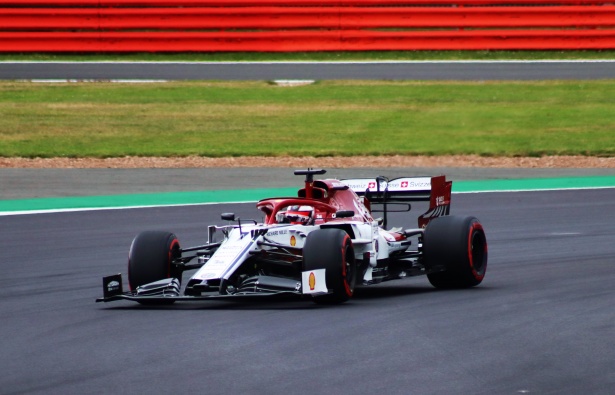
To complement the new power units, the cars themselves will undergo a dramatic physical transformation. The primary goal is to create lighter, more agile machines that are less reliant on complex aerodynamics for performance. The current cars have bulked up significantly; the 2026 spec aims to reverse that trend.
The most visually striking change will be the significantly smaller physical dimensions. Cars will be shorter and narrower, aiming to improve wheel-to-wheel racing by reducing the turbulent “dirty air” wake. Furthermore, in a move prioritizing driver safety and raceability, the introduction of a nimble, active aerodynamics system is expected. This “Z-mode” system would allow the car to automatically adjust its aerodynamic profile—running low drag on straights for top speed and high downforce in corners for grip. This technology, while complex, is designed to ensure cars can follow closely without the dramatic loss of downforce that plagues current designs. The result should be cars that are not only faster in a straight line but can also dice through corners in a pack.
The Ripple Effect: Strategy, Sounds, and the Competitive Order
Such fundamental changes will send shockwaves through every aspect of the sport. Race strategy, currently a tire-management chess game, will become a three-dimensional energy puzzle. Teams will have to master the optimal deployment of their electrical energy across a lap and a race distance. Qualifying will become a blistering showcase of maximum electrical discharge, while the race will be a marathon of harvesting and strategic boosting.
The auditory experience will also evolve. With the ICE component running at extremely high revs and the electric motor providing a substantial portion of the power, the engine note will be higher-pitched and distinctive—a sharper scream intertwined with an electric whirr. Furthermore, the competitive order, so stable in recent years, is poised for a potential shake-up. New engine manufacturers enter the fray, and established powerhouses like Mercedes, Ferrari, and the new Red Bull Ford Powertrains division start from a fresh regulatory page. A team that masters the intricate dance between combustion, electricity, and active aero first could build a period of dominance, much like Mercedes did in 2014.
Predictions for the New Landscape
Based on the outlined framework, several predictions come into focus. Firstly, we will see a greater differentiation between driver skill sets. The “Manual Override” system will reward the most tactically astute and smooth drivers—those who can perfectly time their electrical attacks while managing race-long energy. It adds a video-game-like element of a “boost button,” but with very real-world consequences for battery life.
Secondly, the early seasons may feature unpredictable reliability dramas. New, ultra-complex power units and active aero systems are a recipe for teething problems. Grands Prix could be won or lost on software glitches or energy management errors, adding a layer of volatility. Finally, while designed to improve racing, there is a risk that if one team uncovers a “silver bullet” in its aerodynamic or energy recovery design, it could initially lead to processional races until the chasing pack closes the gap. The hope, however, is that the prescribed cost cap will prevent any single team from running away developmentally.
The 2026 regulations are a high-stakes gamble for Formula 1’s future. They boldly address the sport’s environmental responsibilities, aim to level the competitive playing field, and promise to put more agency and spectacle back into the hands of the drivers. While the path will be fraught with engineering challenges and unpredictable competitive swings, the potential reward is immense: a faster, more sustainable, and more fiercely contested form of motorsport. The grid in 2026 may look familiar in its liveries and heroes, but the machines they pilot and the skills required to master them will belong to a entirely new epoch. The revolution is coming, and it will be electrifying.
Source: Based on news from Sky Sports.
Image: CC licensed via www.publicdomainpictures.net