Xabi Alonso’s Real Madrid Exit: A Fractured Dream Beyond El Clasico
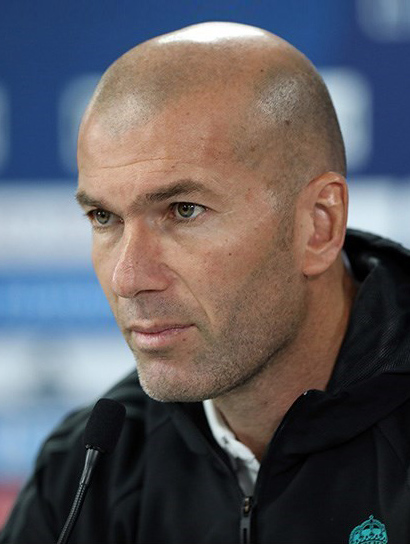
The photograph was meant to be iconic: Xabi Alonso, the prodigal son, standing on the manicured lawn of Valdebebas, the Real Madrid crest looming behind him. Seven months later, the image feels like a relic from a forgotten timeline. His departure, hastily announced as “mutually agreed” in the cold wake of a Spanish Super Cup defeat to Barcelona, was framed by the immediate narrative of a classic El Clasico failure. But to reduce this seismic split to one night in Riyadh is to misunderstand the deep, structural cracks that had been spreading silently for months. Xabi Alonso’s Real Madrid exit was not a sudden collapse; it was the slow, painful erosion of a romantic ideal against the unyielding granite of Madridismo.
The Weight of the White Jersey: When Romance Meets Reality
When Florentino Pérez presented Alonso as the anointed one, succeeding the legendary Carlo Ancelotti, it was sold as more than a managerial appointment. It was a homecoming, a tactical revolution led by a beloved champion who understood the club’s soul. Fresh from an unprecedented invincible season with Bayer Leverkusen, Alonso embodied a modern, progressive ideology. He was the intellectual midfielder made coach, promising control, structure, and a clear identity.
Yet, from the outset, there was a fundamental tension. Real Madrid’s DNA is not built on systemic patience; it is coded for reactive brilliance, individual explosiveness, and an almost chaotic will to win. Alonso’s system demanded discipline, positional rigour, and a collective buy-in that sometimes suppressed the spontaneous genius of players like Vinícius Jr. and Jude Bellingham. The early promise of a new tactical era soon gave way to murmurs. Wins that lacked flair were scrutinized. Draws felt like defeats. The dressing room dynamics, never fully aligned with his meticulous methods, began to strain.
- System vs. Stars: Alonso’s structured approach clashed with the instinctive, star-driven culture of the Bernabéu.
- Communication Gap: Reports suggested his cerebral, sometimes reserved manner failed to galvanize the entire squad in tough moments.
- Inherited Expectations: Following Ancelotti’s man-management mastery and recent double-winning success set an impossibly high bar.
The Slow Unraveling: A Cascade of Missteps
Long before the Barcelona defeat, the fissures were visible. The Champions League group stage was fraught with unconvincing performances. A shock away loss to Real Betis in La Liga highlighted defensive vulnerabilities his system was supposed to fix. The press, initially adoring, began to question his in-game adjustments and perceived rigidity.
Key moments revealed a growing disconnect:
In November, a narrow victory over a relegation-threatened side saw Alonso substitute a furious Vinícius Jr., leading to a very public show of frustration on the bench. The incident was a microcosm of the larger issue: the coach’s plan versus the player’s emotion. Meanwhile, the aging midfield core he was tasked with transitioning struggled to execute his demanding positional play, leaving gaps that savvy opponents exploited.
The January transfer window became another point of contention. Alonso’s reported desire for a specific profile of defensive midfielder was not met, with the board prioritizing a different vision for the squad’s future. This lack of backing was a clear signal, eroding his authority and revealing a misalignment with the sporting department. The project, it seemed, was already off-track.
Riyadh: The Breaking Point, Not the Cause
Sunday’s Super Cup final, therefore, was merely the catalyst, the explosive final act of a play already written. Facing a resurgent Barcelona, Alonso’s Madrid looked tactically outmaneuvered and emotionally hollow. The 3-1 scoreline was kind; the performance was a stark tableau of all the accumulated doubts. The system was picked apart, the big-game mentality was absent, and the contrast with Xavi’s galvanized Barça was damning.
In the Madrid ecosystem, such a loss to your eternal rival is an existential crisis. It is the ultimate litmus test, and Alonso failed it spectacularly. The defeat confirmed every growing fear within the board, the media, and the fanbase. It proved that the romantic reunion had not translated into tangible supremacy. In the echoing silence of the Al-Awwal Park locker room, the “mutual agreement” was likely already understood. There was no coming back.
Aftermath and Analysis: What This Means for Madrid and Alonso
The fallout from this abbreviated era is profound for both parties.
For Real Madrid: The club reaffirms its most brutal truth: sentimentality has a hard ceiling. The demands of the Bernabéu are non-negotiable, and the timeline for success is compressed into nanoseconds. The search for a new coach will likely pivot away from project-builders and back towards proven winners who can manage giant egos and deliver immediate trophies. Names like Antonio Conte or a sensational return for Zinedine Zidane will dominate headlines, signaling a potential return to a more pragmatic, man-management focused era.
For Xabi Alonso: This is a brutal but invaluable education. It exposes the difference between building a project at a club like Leverkusen and steering the galactic cruiser that is Real Madrid. His coaching reputation takes a hit, but his fundamental qualities remain. He will return to the drawing board, his philosophy tempered by the searing heat of Madrid’s spotlight. His next move will be fascinating—will he seek another major club to prove his mettle, or opt for a rebuild elsewhere to restore his project’s narrative?
Predictions for the Path Ahead
- Madrid’s Quick Pivot: Expect a swift, high-profile appointment aimed at salvaging the season, with a heavy emphasis on man-management and instant results.
- Alonso’s Strategic Retreat: Alonso will likely take time before accepting a new role, possibly in the Premier League or Serie A, where a patient project awaits.
- Philosophical Reckoning: This episode will fuel debate on whether a pure, systemic coach can ever truly succeed long-term at the very elite, ego-driven clubs.
In the end, Xabi Alonso’s dream job dissolved not in the Saudi desert, but in the accumulated pressure of a thousand minor critiques, a few key misalignments, and a culture that consumes ideology for breakfast. His exit is a stark reminder that at Real Madrid, history and emotion are celebrated in retrospect, but they are never a blueprint for the future. The future, at the Bernabéu, is always now. And now, for Alonso, is already over.
Source: Based on news from India Today Sport.
Image: CC licensed via br.wikipedia.org