Hurry Up and Wait: Why College Football’s Archaic Calendar is Failing the Modern Game
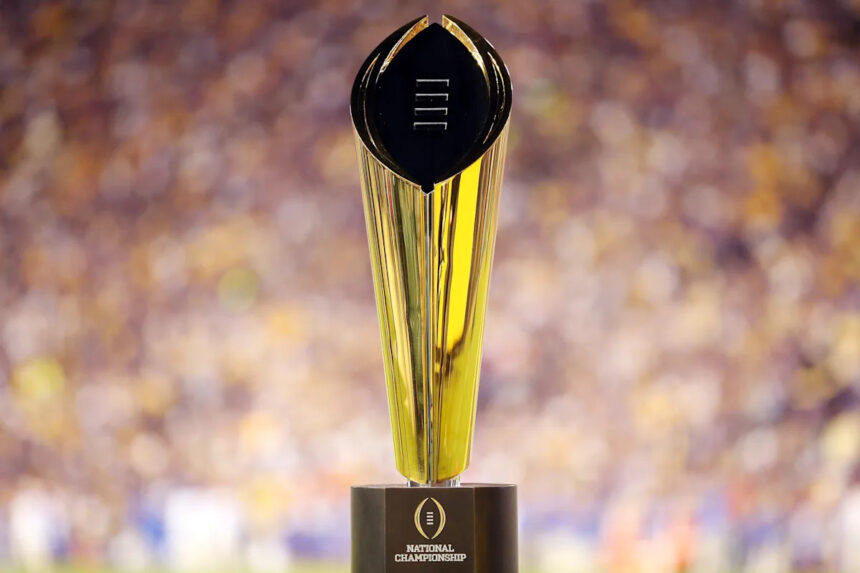
The confetti has barely been swept from the field after the national championship. The transfer portal, a maelstrom of activity for 45 days, slams shut. High school recruits have signed their letters of intent. And then… nothing. For college football, the month of February is a silent, frozen tundra. The sport, a 365-day obsession for millions, grinds to a bizarre, self-imposed halt. This “hurry up and wait” rhythm isn’t just awkward; it’s a strategic failure. In an era of relentless content and competition for attention, college football’s archaic calendar is actively undermining its own product, frustrating fans, and confusing the very athletes it purports to serve.
The Jumbled Jigsaw: A Timeline of Chaos
To understand the problem, you must first look at the dizzying sequence of events that defines the modern offseason. It’s a jigsaw puzzle where the pieces no longer fit. The season concludes in early January. Immediately, the coaching carousel spins into overdrive, often overlapping with bowl games in a conflict of interest that has become a sick tradition. Simultaneously, the transfer portal opens for a 45-day window, creating a frenzied, free-agent market that forces players to make life-altering decisions in a pressure cooker. National Signing Day for high schoolers, once a standalone spectacle, is now a muted February footnote, its talent often secondary to portal acquisitions. Then, silence. Spring practice doesn’t start for weeks. This disjointed schedule creates three core crises.
First, the player empowerment paradox. The portal and NIL were meant to grant athletes agency. Yet, compressing the portal window forces rushed decisions based on incomplete rosters and coaching staffs. A player entering the portal in December has no idea which coaches might be moving in January, potentially landing him in a worse situation.
Second, the fan engagement black hole. After the championship, the sport delivers a month of transactional chaos (portal entries, coaching hires) followed by a four-month news desert. This cedes the spotlight entirely to the NBA, NHL, MLB spring training, and the NFL’s playoff march. In today’s media landscape, going dark is a cardinal sin.
Third, the competitive integrity gap. Teams with new coaches are severely disadvantaged in the first portal window, unable to properly evaluate or recruit for their systems. This creates a “rich get richer” dynamic where stable programs feast on the uncertainty of others.
A Blueprint for a Modernized Calendar
Fixing this requires bold, logical restructuring. The goal should be to create a flowing, narrative-driven offseason that maintains engagement and treats all stakeholders—players, coaches, fans—with respect. Here is a potential blueprint:
- Early December: Open a 15-Day “Early Notification” Portal Window. This allows players from teams with coaching changes or those certain of their intent to declare. It provides clarity without the frenzy.
- Mid-January: The Unified “Offseason Start.” One week after the championship, a new epoch begins. The coaching carousel must be concluded. The NFL draft declaration deadline passes. Then, the primary transfer portal window opens for 60 days, concurrent with the high school National Signing Day. Now, everyone operates with full information. Coaches know their jobs, players know the roster landscape, and recruits see a clearer path.
- Spring Ball Becomes a Showcase. With rosters largely set, spring practices and games become genuine previews, not auditions for a portal exodus. This creates meaningful spring content for TV networks and fans.
- May: A Short, Secondary Portal Window. A 15-day window after spring ball allows for adjustments based on depth chart outcomes, providing a necessary safety valve without defining the entire offseason.
This model creates a clear, sequential storyline: Season Ends → Coaching Stability → Roster Construction (Portal & HS) → Spring Development → Final Roster Tweaks. It replaces chaos with order.
The Resistance to Change and the Stakes of Inaction
Why hasn’t this happened? The resistance is rooted in tradition and a fear of the unknown. Coaches, even those harmed by the current model, cling to any recruiting advantage, however chaotic. Administrators are slow to move. The NCAA, a governing body often in reactive mode, has proven incapable of proactive, sweeping reform in the NIL/portal era.
But the cost of inaction is soaring. Fan fatigue is real. The casual viewer is exhausted by a sport that seems to be all business from December to February, then vanishes. Player development suffers when rosters are in constant flux until May. Furthermore, as the professional sports world evolves—seen in the NFL’s nine coaching changes this offseason or the seismic trades in MLB like Nolan Arenado to Arizona—college football risks looking not just outdated, but amateurish in its operations.
The contrast with the sleek, year-round narratives of the NBA or NFL is stark. While the Oklahoma City Thunder build a sustained lead in the West and golf’s civil war continues with figures like Bryson DeChambeau stating their LIV commitments, college football is stuck in a cycle of eruptive change followed by profound silence.
The Future: A Calendar Built for the 365-Day Fan
Predicting change in college football is a fool’s errand, but the pressure for reform is building. The upcoming House v. NCAA settlement and potential new governance models could be the catalyst. The logical prediction is that a more professionalized, athlete-centric model will inevitably force the calendar to adapt. Conferences and media partners, desperate for consistent content, will demand it. We will see a move toward:
- Consolidated windows that respect player decision-making.
- The death of the early signing period in its current form, merged with the portal cycle.
- Spring football becoming a televised, conference-controlled series of scrimmages or “preview games” to fill the content void.
The sport’s heart will always beat on fall Saturdays. But its health is determined year-round. The current calendar is a relic, a vestige of an era when the offseason was truly “off.” Today, the offseason is the season for roster building, and it deserves a coherent structure. It’s time for college football to stop making its fans, players, and coaches hurry up and wait. It’s time to build a calendar that flows, engages, and finally makes sense.
Want more expert analysis on the biggest stories in sports? From the Steelers’ search after Mike Tomlin’s step down to the latest in the NBA and MLB, Yahoo Sports AM is our daily newsletter that keeps you up to date on all things sports. Sign up here to get it every weekday morning.
Source: Based on news from Yahoo Sports.