From Assassin’s Creed to England’s Anchor: The Joe Heyes Redemption Story
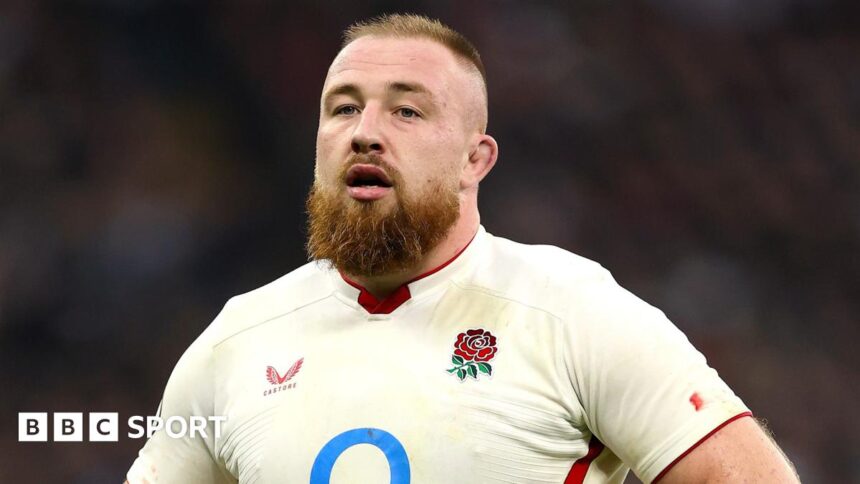
The image told one story: Joe Heyes, face beaming, arms aloft, celebrating a seismic England victory over New Zealand last month, flanked by the dynamism of Henry Pollock and Tom Curry. It was the portrait of a player at the summit, an integral part of a historic win. But the journey to that frame, to that moment of unbridled joy, began in a place of profound isolation and disillusionment. Just months earlier, on the very same soil, Heyes was lost—not in the battle for the Bledisloe Cup, but in the pixelated waters of the 18th Century Caribbean, seeking solace in a video game as his international career threatened to slip beneath the waves.
A Tour of Torment: Isolation in New Zealand
When Joe Heyes toured New Zealand with England in July 2024, the reality was stark. Plagued by a debilitating back spasm and, more painfully, firmly out of contention for the matchday squad, he was a ghost on tour. While his teammates immersed themselves in the intensity of an All Blacks series, Heyes retreated. His battlefield was digital. “I had a horrible time. I hated it,” Heyes later admitted, his candidness cutting through the usual sporting clichés. His focus wasn’t on lineout calls or scrum techniques; it was on Assassin’s Creed: Black Flag, the console game offering an escape from a harsh reality. He would hole up in his hotel room, sailing virtual seas, a poignant metaphor for a player adrift. This wasn’t a lapse in professionalism; it was a human response to the crushing weight of exclusion and physical pain, a vivid low point that makes his subsequent rise all the more remarkable.
The Turning Tide: Mindset, Mentality, and the Path Back
The transformation from disengaged tourist to Test-match tighthead didn’t happen by chance. It was forged in a conscious, grueling recalibration. Returning from New Zealand, Heyes faced a crossroads. The England career turnaround required more than just healing his back; it demanded healing his relationship with the game at the highest level. Experts point to several key factors in his resurgence:
- Physical Rehabilitation: A dedicated and meticulous approach to overcoming his back spasm was the non-negotiable foundation. This allowed him to train with the power and stability required at the scrum.
- Psychological Reset: Acknowledging the “horrible time” was the first step. Heyes had to compartmentalise the disappointment and rediscover the core drive that propelled him to the England squad in the first place.
- Club Form as a Springboard: Re-establishing himself as an immovable object at Leicester Tigers was crucial. Dominant performances in the Premiership served as a relentless reminder to the national selectors of his capabilities.
- Embracing the Grind: The life of a prop, particularly one vying for a bench role, is one of unseen labour. Heyes recommitted to the dark arts of scrummaging, the unglamorous hits, and the fitness required to impact the final quarter.
This wasn’t just about playing better rugby; it was about rebuilding the identity of Joe Heyes, England prop. The player who hated his New Zealand experience used it as the fuel for a fiercer, more resilient fire.
Anchoring the Scrum: Heyes’ Impact on England’s New Era
His return to the England setup this autumn was not merely a selection note; it was a statement. When his opportunity came, Heyes was ready. Against New Zealand, a nation where he had felt so marginalised, he delivered a performance of immense substance. Entering the fray in the front row, he provided the scrum stability that is the currency of world-class tightheads. In the cauldron of the final moments, with history on the line, the England set-piece held firm. Heyes was no longer a bystander; he was a cornerstone.
This impact speaks to a broader theme in England’s evolving strategy. The modern test match, especially against the Southern Hemisphere giants, is won in the final 20 minutes. A substitute prop must be a game-changer, not just a gap-filler. Heyes demonstrated he could be that weapon: a man who could maintain or even increase set-piece pressure, tackle relentlessly, and offer himself as a carrying option. His celebration with Pollock and Curry—blending youthful exuberance with hard-nosed experience—symbolised the multi-generational grit that defined England’s victory.
What’s Next for the Resurgent Prop?
Looking ahead, the trajectory for Joe Heyes has been fundamentally altered. From a player questioning his place, he has cemented himself as a vital component of England’s front-row arsenal. Expert analysis suggests his role is now clear:
- The Premier Impact Substitute: Heyes has made the number 18 jersey his own, perfecting the art of the finisher in the front row. His ability to bring energy and solidity off the bench is a huge asset.
- Continuous Development: At 25, his best years as a prop are ahead. The focus will be on adding more prominent ball-carrying and breakdown work to his core scrummaging excellence.
- British & Irish Lions Contender: If this form continues, Heyes will inevitably enter conversations for the 2025 tour to Australia. His skill set is perfectly suited to the demands of a Lions series.
The key for Heyes will be maintaining the mindset that rescued his career. The memory of that lonely hotel room, of the virtual escape, must serve as a permanent reminder of how quickly the dream can fade—and how sweet it is to fight your way back.
Conclusion: A Testament to Resilience
The story of Joe Heyes is more than a simple sports comeback. It is a raw, human narrative about confronting professional despair and choosing to fight back. It underscores that the path of an athlete is rarely linear, filled with silent battles fought far from the public eye. His honest admission of hating the New Zealand tour reveals a vulnerability that makes his success resonate deeply. From the digital decks of a pirate ship to the hardened turf of Twickenham, Heyes navigated his way back. He transformed a period of hatred for the game into a deeper, more resilient love for the grind and the glory. When the final whistle blew against the All Blacks, the prop in the centre of that celebratory huddle wasn’t just a winner on the day. He was a living testament to the power of mental toughness and redemption, proving that sometimes, the strongest anchors are forged in the deepest waters.
Source: Based on news from BBC Sport.