Iran’s World Cup Fate Sealed: FIFA’s Infantino Confirms U.S. Hosting Amid Geopolitical Tensions
The beautiful game has a unique, often tumultuous, relationship with global politics. That intersection is now center stage as FIFA President Gianni Infantino has definitively ended speculation, confirming to AFP that Iran will participate in the upcoming FIFA World Cup and, crucially, that their matches will be played in the United States as originally scheduled. This announcement comes after weeks of intense uncertainty fueled by the escalating conflict between the U.S., its allies, and Iran, throwing the tournament’s geopolitical landscape into sharp relief.
A Decision Forged in High-Stakes Diplomacy
The path to this confirmation was anything but straightforward. Earlier this month, the Iranian football federation publicly stated it was “negotiating” with FIFA to have their World Cup matches relocated from U.S. soil to a neutral venue, with Mexico cited as a potential alternative. The request was rooted in profound security concerns and the palpable political hostility between the Iranian state and the U.S. government.
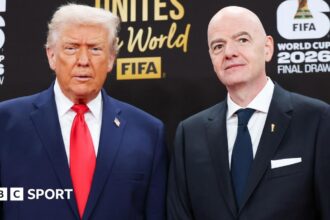
Infantino’s revelation that he has personally spoken with President Trump about the situation in the Middle East underscores the gravity with which FIFA viewed the impasse. This was not merely a sporting logistics issue; it was a diplomatic tightrope walk. By engaging at the highest levels, Infantino effectively framed Iran’s participation as a matter of global football unity, seeking and seemingly receiving assurances that allowed FIFA to stand firm on the tournament schedule.
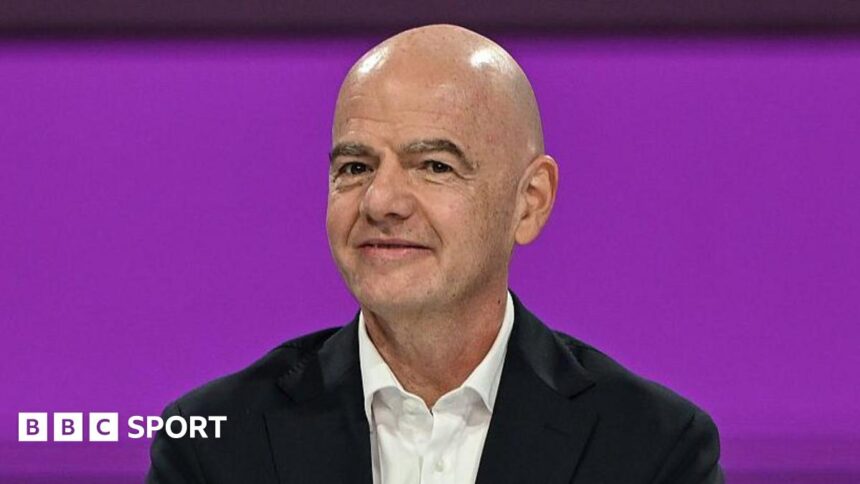
“Iran will be at the World Cup,” Infantino stated unequivocally. “We’re delighted because they’re a very, very strong team, I’m very happy.” This simple declaration belies the complex machinery that turned behind the scenes to protect the tournament’s integrity and the principle of sporting inclusion.
Expert Analysis: The Weight of This Precedent
From a geopolitical and sporting governance perspective, FIFA’s decision is monumental. It sets a powerful, if risky, precedent. Analysts point to several critical implications:
- Sport Over Politics? FIFA has loudly reaffirmed its often-stated, but frequently challenged, ideal of keeping football separate from political conflict. By insisting the games go on in the U.S., they are betting that the universal language of sport can temporarily bridge a deep chasm.
- Security on a New Level: The logistical and security preparations for Iran’s matches, particularly if they face the U.S. or a nation like Israel in the knockout stages, will be unprecedented for a sporting event. Expect a fortress-like atmosphere, with intelligence cooperation between nations that otherwise do not cooperate.
- Player and Fan Focus: The immense pressure now shifts to the Iranian players and coaching staff. They must prepare for a tournament where every pass and tackle will be scrutinized through a political lens, all while carrying the hopes of a nation. For Iranian and diaspora fans, travel and attendance will be fraught with complexity.
- FIFA’s Authority Asserted: In rejecting Iran’s relocation request, Infantino has demonstrated a centralized control over the tournament format. This dissuades other nations from attempting to use geopolitical disputes to alter competitive arrangements in the future.
This scenario is not without historical echo, recalling the Cold War-era boycotts or the divided Korean team at the 2018 PyeongChang Olympics. However, the active, ongoing military tensions between the host nation and a participant make this a uniquely volatile World Cup chapter.
Predictions: Fireworks On and Off the Pitch
The confirmation sets the stage for what could be the most politically charged World Cup group stage in history. The draw will now be watched with bated breath. Should Iran be drawn in a group with the United States, the fixture would instantly become the most politically loaded match in football history, surpassing even the famed “Football War” of 1969. The security and media circus would be overwhelming.
Beyond a potential U.S. clash, Iran’s matches will be global events. Their games will be:
- A Magnet for Protests: Both anti-Iran and anti-U.S. demonstrations are virtually guaranteed in host cities, requiring meticulous policing and planning.
- A Diplomatic Theater: The treatment of Iranian officials, visa processes for fans, and even the flag and anthem ceremonies will be parsed for symbolic meaning.
- A Performance Under a Microscope: The Iranian team, led by stars like Mehdi Taremi, has genuine talent to advance. Their performance will be a source of immense national pride, but also a potential tool for narratives on all sides of the political divide.
Conversely, a strong Iranian run could also provide a rare moment of shared national joy and a temporary escape from tension, illustrating sport’s unique power. Their matches in the U.S. could become unexpected, if cautious, platforms for human connection.
The Final Whistle: A World Cup Like No Other
Gianni Infantino’s announcement has drawn a line in the sand. The ongoing uncertainty over their participation is now over. The games will be in the United States. In doing so, FIFA has guaranteed that the 2026 World Cup will be remembered not just for its expanded format and continental scale, but as a tournament that stared down a geopolitical crisis and insisted the show must go on.
The success of this gamble hinges on execution. It requires impeccable security, diplomatic sensitivity from all host cities, and a monumental effort from the players to focus on football. The world will be watching, not just to see who lifts the trophy, but to witness if the global football family can, for ninety minutes at a time, hold together amidst forces that threaten to pull it apart.
Iran’s journey in this World Cup was always going to be compelling. It is now historic before a ball has even been kicked. Their presence in the U.S. is a testament to football’s stubborn resilience, but also a stark reminder that the sport exists not in a bubble, but in our complex and conflicted world. The final score in these matches will be recorded in the standings, but the true outcome will be measured in the lessons learned about sport, politics, and the fragile hope for unity they sometimes inspire.
Source: Based on news from BBC Sport.