Itauma Fighting Usyk or Wardley a “Ridiculous Conversation,” Says Bunce
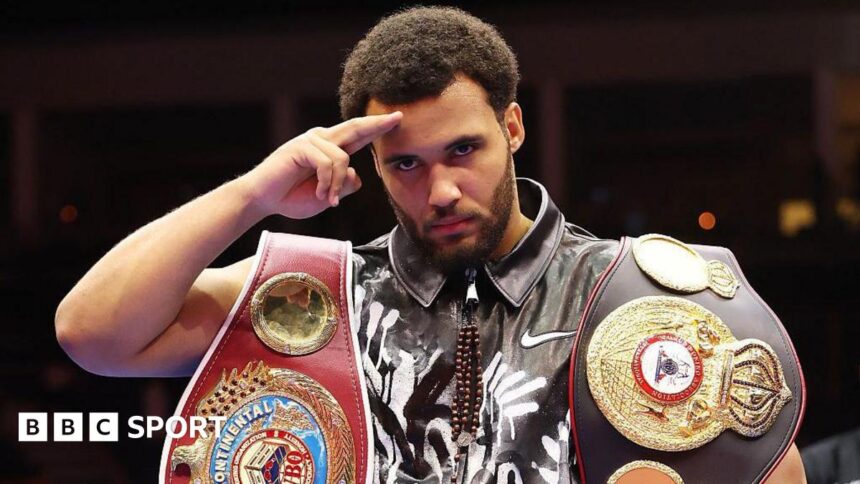
The heavyweight division, forever in search of its next savior, has a fresh name on its lips: Moses Itauma. The 19-year-old British prodigy, with a pristine 13-0 record and frightening power, is being fast-tracked like few before him. His name now sits improbably in the top three of the WBA, WBO, and WBC rankings, a bureaucratic quirk that has ignited a dangerous and premature debate. According to veteran boxing journalist Steve Bunce, that debate—centering on Itauma facing champions like Oleksandr Usyk or domestic rival Fabio Wardley—is not just premature, but utterly “ridiculous.”
In an era hungry for the next big thing, Bunce’s warning is a necessary cold shower. The narrative is seductive: a teenage powerhouse, dubbed the future king, vaulted into mandatory contention. But as Bunce argues, to look at Itauma’s ledger and see a ready-made world champion is to ignore the brutal, unforgiving history of the sport’s glamour division. This is the story of hype versus reality, of potential versus proof, and why patience, not promotion, must guide Itauma’s path.
The Perilous Path of the “Next Big Thing”
Boxing, particularly in the heavyweight ranks, has a long and tragic romance with the concept of the prodigy. Young prospects are routinely anointed as the heir apparent, burdened with comparisons to legends before they’ve faced a true test. “I’ve seen so many instances where young prospects, especially heavyweights, have been called the ‘second coming of X’ – you can fill in the gap – and then they fall short,” Bunce observes, drawing on decades of ringside experience.
This pattern is not mere coincidence. The heavyweight “prospect” is a lucrative commodity. Promoters and networks build narratives to sell tickets and broadcasts, often compressing a fighter’s developmental timeline to capitalize on market excitement. The names of past “can’t-miss” talents who missed echo through history—some derailed by a single punch they weren’t ready for, others by the psychological weight of expectation. The jump from fighting seasoned journeymen designed to lose to facing elite, championship-level operators is the widest chasm in the sport. Itauma’s physical gifts are undeniable, but the history of heavyweight hype is littered with athletes whose gifts were equally profound.
Dissecting the Record: What Do 13 Wins Really Prove?
At the core of Bunce’s argument is a simple, forensic examination of Itauma’s career to date. “Because if you actually look at it in the cold light of day, what is there in Itauma’s 13 wins that could lead anybody to think that as of today, he could fight any of the top guys?” he questions. This is the crucial pivot from fantasy to fact.
Itauma’s professional journey, while impressively destructive, follows a traditional early-career blueprint:
- Opponent Level: Fights have been against carefully selected opponents with losing or .500 records, tasked with providing rounds and exposing a specific challenge.
- Round Experience: He has only been scheduled for 10 rounds once, and has largely dispatched foes early, limiting his experience in deep waters.
- Style Variety: He has yet to face the cunning, awkward, or relentlessly durable contender who can force him into uncomfortable, problem-solving mode over many rounds.
Contrast this with the resume of a Fabio Wardley, who has been through a brutal domestic war with Frazer Clarke, or the technical mastery of an Oleksandr Usyk, a seasoned veteran of the highest-level combat sports. To suggest parity is to compare a scalpel tested in surgery to one fresh from the factory. The ranking positions, often influenced by sanctioning body politics and vacant slots, create a dangerous optical illusion of readiness.
Usyk, Wardley, and the Levels of the Game
To understand why the conversation is “ridiculous,” one must define the gulf. Oleksandr Usyk is a unified world champion and a former undisputed cruiserweight king. His ring IQ, footwork, and ability to dismantle opponents strategically is peerless. He has solved puzzles presented by Anthony Joshua (twice) and Tyson Fury. Throwing a 19-year-old, regardless of power, into that labyrinth would be borderline negligent.
The Fabio Wardley discussion is more nuanced but equally fraught. Wardley, the British and Commonwealth champion, embodies a different kind of threat: raw, heavy-handed, and battle-hardened. His epic draw with Frazer Clarke was a lesson in grit, stamina, and heart. Itauma has not been required to show any of those qualities for 12 grueling rounds. While a future all-UK clash is compelling, framing it as a current title fight ignores Wardley’s accrued experience and the proven resilience he possesses that Itauma has yet to demonstrate.
Heavyweight rankings can be misleading, and Bunce’s point is that the sport must not let paper standings override practical sense. There are levels to this, and Itauma, for all his dazzling potential, resides several tiers below the proven elite.
The Right Road: Patience and Progressive Steps
So, if not Usyk or Wardley now, then what? The path for a talent like Itauma is well-trodden but requires discipline. The focus must shift from world title shots to meaningful development. The next 18-24 months should be a curated climb, not a rocket launch.
Key milestones should include:
- Stepping Up Competition: Facing veterans with winning records who know how to survive.
- Championship Distance: Fighting in scheduled 10 and 12-round contests to manage energy and execute a game plan late.
- Domestic & Continental Tests: Targeting titles like the English, British, or European championships to face hungry, known contenders.
- Style Challenges: Seeking out awkward movers, southpaws, and pressure fighters to build a complete tactical repertoire.
This is how futures are built, not on the strength of a ranking, but on the foundation of proven ability. Frank Warren, Itauma’s promoter, has historically shown patience with his heavyweights. Navigating the noise and adhering to a long-term plan will be his and Itauma’s greatest challenge.
Conclusion: Let the Future Arrive in Its Own Time
Moses Itauma may very well be the future of the heavyweight division. His physical tools and early dominance suggest a ceiling as high as any fighter in the world. But Steve Bunce’s blunt assessment is a vital public service announcement for the boxing ecosystem. To speak of him fighting Oleksandr Usyk or Fabio Wardley today is not just premature; it is a disservice to the sport’s complexity and the fighter’s own long-term prospects.
Heavyweight hype is a powerful drug, but it has poisoned many a career. The conversation around Itauma should be one of excited anticipation, not reckless acceleration. Let him develop, let him be tested, and let him earn his shot through rounds, learning, and legitimate conquests. The destination of a world title fight will be all the sweeter—and more likely to succeed—if the journey there is taken one sensible step at a time. The “ridiculous conversation” needs to end, so the serious work of building a champion can truly begin.
Source: Based on news from BBC Sport.