Beyond the Ropes: Deontay Wilder Extends Prayers to Anthony Joshua After Tragic Loss
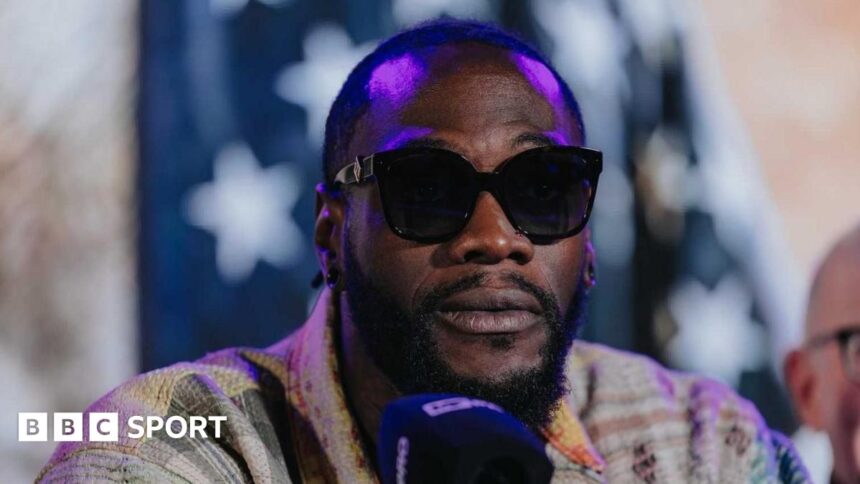
In the brutal, ego-driven world of heavyweight boxing, where narratives are often built on disdain and rivalry, a moment of profound humanity can stop the noise. This week, that moment came from an unexpected, yet deeply resonant, source. Former WBC champion Deontay Wilder, long cast as the arch-nemesis in the unfinished symphony of Anthony Joshua’s career, publicly reached out with words of solace. Following the tragic deaths of two of Joshua’s close friends in a December car accident in Nigeria, Wilder offered a message that transcended sport: “Stay strong,” he told Joshua, adding that the Briton is in his “prayers.” In a single gesture, the most tantalizing unfought rivalry in boxing was reframed, reminding us that the men inside the gloves carry weights far heavier than any championship belt.
A Tragedy That Silenced the Boxing World
The news that emerged in late December was every friend and family’s nightmare. On December 29th, near Lagos, Nigeria, a vehicle carrying Anthony Joshua and two of his close friends, Sina Ghami and Latif ‘Latz’ Ayodele, collided with a stationary truck. The accident claimed the lives of Ghami and Ayodele, while Joshua sustained minor injuries. The emotional and psychological toll, however, is immeasurable. Ghami and Ayodele were not just associates; they were part of Joshua’s inner circle, trusted confidants who shared in his journey from Olympic gold to two-time heavyweight champion. Their loss creates a void no victory can fill. The boxing community, often fractured by promotional divides and competitive bitterness, united in offering condolences, setting the stage for Wilder’s poignant public support.
Wilder’s Empathy: A Rivalry Put in Perspective
For nearly a decade, the boxing world has clamored for a showdown between Deontay Wilder and Anthony Joshua. It is the fight that has defined an era through its absence, a collision of styles and personalities that promised fireworks. Negotiations have failed, timelines have misaligned, and both men have seen their fortunes rise and fall while the other watched. The narrative has been one of mutual avoidance, heated words, and fan-fueled animosity. Which is why Wilder’s statement carries such significant weight. By choosing this moment to publicly extend his prayers, Wilder performed a quiet but powerful act of recalibration. He reminded everyone that boxing rivalry is a professional construct, but human suffering is a universal reality. “He’s in my prayers,” Wilder said, a simple phrase that acknowledges a shared fragility beyond the ring’s ropes. This empathy from ‘The Bronze Bomber’ reveals a layer often obscured by his knockout-reel bravado—a depth of character that understands some things are bigger than sport.
Expert Analysis: The Psychological Impact on Joshua’s Career
From a sporting perspective, the immediate question is how this profound personal loss will affect Anthony Joshua’s focus and career trajectory. Boxing psychologists and performance experts often speak of the “fighter’s mindset”—a delicate, hyper-focused state that can be shattered by trauma outside the gym.
- Potential for a Renewed Purpose: History shows some athletes channel grief into their performance, fighting with a deeper, almost solemn resolve. Joshua may dedicate his coming fights to the memory of his friends, using his platform to honor their lives.
- The Challenge of Focus: The grueling, selfish process of a training camp requires singular focus. Navigating grief is a distracting, all-consuming process. Re-concentrating that energy on an opponent like, say, a Deontay Wilder, is a monumental task.
- Timeline Implications: Joshua is slated for a high-stakes two-fight plan in 2024. While physically recovered, his readiness to immerse himself in the brutal business of promotion and combat may be delayed. The boxing world, and rightfully so, will need to exercise patience.
This is where the support from figures like Wilder matters. Knowing the community, even his fiercest rivals, stand with him in solidarity can provide a sliver of stability in a upended world.
Predictions: Could Shared Humanity Pave the Way for the Fight?
Paradoxically, this tragic event and Wilder’s response may have subtly altered the chemistry of the long-stalled Joshua vs Wilder showdown. Before, the fight was purely business, laden with ego and negotiation pitfalls. Now, a thread of mutual respect—forged in a moment of vulnerability—has been introduced.
Predicting the future of this bout has always been a fool’s errand, but we can forecast the new narrative:
- A Sober, Legacy-Defining Event: If the fight is ever made, the promotion will inevitably reference this moment. It could transform the build-up from one of trash talk to one of profound respect and a desire to settle a sporting score honorably.
- Fan Perception Shift: The audience will now see two men who have publicly acknowledged each other’s humanity. This could elevate the fight from a mere spectacle to a historic, must-see contest about legacy and resolution.
- The Final Hurdle is Still Business: Let’s be clear: while the human element is now present, the financial and structural hurdles remain. Networks, promoters, and sanctioning bodies still control the fate of this fight. Wilder’s prayers don’t solve contractual complexities, but they may make the principals more amenable to finding a solution.
The prediction here is not that the fight gets made tomorrow, but that if it is ever made, its meaning will be deeper and its resonance far greater because of this shared moment of humanity.
Conclusion: A Champion’s Greatest Test is Outside the Ring
The story of Anthony Joshua is no longer just about belts, knockouts, or a long-awaited showdown with Deontay Wilder. It is, at this moment, a story of human resilience. The path through grief is a fight with no defined rounds, no cheering crowd, and no clear victory bell. In reaching out, Deontay Wilder did more than offer condolences; he highlighted the invisible fraternity of those who know the unique pressures of the spotlight. He reminded us that before they are rivals, they are men. As Joshua navigates this darkest of times, the support from his boxing brethren, especially from an awaited rival, underscores a powerful truth: some connections are forged not in conflict, but in compassion. The world still hopes to see them face-to-face in the ring. But today, we have seen something more important—two champions, connected by tragedy, showing that the heart matters more than any heavyweight title ever could.
Source: Based on news from BBC Sport.