Tiger Woods Granted Travel for Treatment, Forfeits 2027 Ryder Cup Captaincy in Legal Fallout
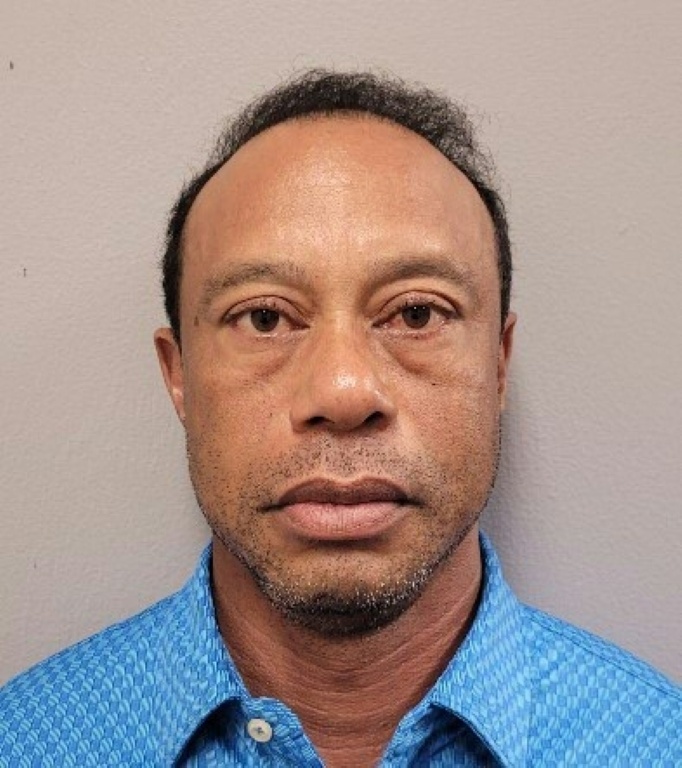
In a single, sobering 24-hour period, the future of Tiger Woods’s legacy both on and off the golf course was dramatically reshaped. A Florida judge’s ruling on Wednesday, permitting Woods to leave the country for intensive treatment, collided with a stark professional consequence: the formal loss of his anticipated role as the 2027 U.S. Ryder Cup captain. These parallel developments, stemming from his recent arrest and car accident, mark a pivotal and painful chapter for the sporting icon, forcing a public reckoning with personal struggles that have sidelined his competitive career and now his leadership ambitions.
A Judge’s Ruling: Privacy and Treatment Take Precedence
The legal proceedings in Martin County moved swiftly this week. On Tuesday, Woods pleaded not guilty to misdemeanor charges of DUI with property damage and refusing to submit to a lawful test. The very next day, his attorney, Douglas Duncan, successfully petitioned the court for a critical allowance. Duncan’s motion argued for Woods’s urgent need to seek comprehensive inpatient treatment outside the United States, emphasizing the necessity of a program that is “intensive, highly individualized and medically integrated.” Crucially, the filing cited the golfer’s need for privacy from media scrutiny, a commodity nearly impossible to find for a figure of his global fame within domestic borders.
Judge Darren Steele granted the motion following a teleconference, a decision that underscores the court’s recognition of health and rehabilitation as immediate priorities. This legal green light is more than procedural; it is a tacit acknowledgment that Woods’s path forward is fundamentally a medical and personal one, distinct from the pending legal case. The specifics of the location and nature of the treatment program were not disclosed, aligning with the privacy sought.
The Professional Cost: Stepping Away Means Stepping Down
Concurrent with the legal maneuvering, a significant pillar of Woods’s planned future in golf was removed. The PGA of America confirmed on Wednesday that Woods’s decision to “step away” from his golf-related activities means he will not captain the 2027 US Ryder Cup team. This role had been widely seen as an inevitability, a ceremonial passing of the torch to the man who embodies modern American golf dominance. The captaincy is not just a tactical position; it is a honorific, a legacy role reserved for the game’s most respected figures.
Woods’s connection to the Ryder Cup has been complex—as a player, his record is surprisingly mixed—but his stature as a leader and motivator was never in doubt. His presence as a vice-captain and his influential role in the team room during recent editions solidified the expectation that his turn with the formal title was only a matter of time. Relinquishing this post so far in advance reveals the severity of the current situation and the long-term, focused commitment his recovery will require. The PGA’s swift confirmation also indicates a desire for clarity and to move forward with alternative planning.
Expert Analysis: Navigating the Crossroads of Health, Law, and Legacy
This moment represents a profound intersection of personal health, legal strategy, and career legacy. Sports law analysts note that the judge’s allowance for international treatment is not uncommon in cases involving high-profile individuals with means, but it carries symbolic weight. “The court is effectively prioritizing rehabilitation over punishment at this pre-trial stage,” notes one legal expert. “It frames Woods not solely as a defendant, but as an individual requiring medical intervention, which could influence public perception and potentially the legal proceedings down the line.”
From a sports management perspective, the forfeiture of the Ryder Cup captaincy is a staggering blow. “This was the safest, most celebrated next act for Tiger Woods in golf,” says a veteran golf commentator. “It was a way to remain central to the sport’s greatest spectacle without bearing the physical toll of playing. Losing that indicates a recognition that his complete focus must be inward. The PGA also had to act; the Ryder Cup is a multi-million dollar enterprise that requires stable, present leadership. Uncertainty is not an option.”
The sequence of events also highlights the relentless pressure of fame. The request for treatment abroad to escape media scrutiny speaks volumes about the environment Woods navigates. His rollover car accident and subsequent arrest were dissected globally in real-time, making a confidential recovery in the U.S. nearly impossible. This exile, while necessary, adds a layer of isolation to an already arduous journey.
Predictions: What Lies Ahead for Tiger Woods?
The road forward is bifurcated into legal and professional lanes, both shrouded in uncertainty.
- Legal Path: Woods’s not-guilty plea sets the stage for a process that could stretch for months. The outcome may hinge on evidence from the crash and his medical condition at the time. Legal experts suggest a plea deal remains a strong possibility, but the court’s accommodation for treatment could be viewed favorably. His compliance and commitment to rehab will be closely watched.
- Health and Comeback: The intensive, highly individualized treatment program suggests a focus beyond simple physical recovery. The golf world’s question—”Will he play again?”—now feels secondary. The primary question is about personal well-being. Any competitive return would be a distant prospect, following a full and private rehabilitation.
- Role in Golf: Without the 2027 captaincy, Woods’s formal role in the sport’s future is unclear. He may remain an influential behind-the-scenes figure, especially in PGA Tour governance, but his public-facing duties will likely remain minimal for the foreseeable future. The door to a future captaincy is not permanently closed, but it is contingent on a sustained and stable recovery.
A Stark Conclusion: Legacy in the Balance
The image of Tiger Woods is being painfully remade, not by a sports photographer on the 18th green, but by a Florida courtroom docket and a PGA of America press release. The judge’s ruling offers a path to healing, while the loss of the Ryder Cup captaincy exacts a heavy professional toll. This episode transcends sports; it is a human story of crisis, consequence, and the difficult pursuit of recovery under a blinding public glare.
Woods’s legacy, once measured solely in majors and iconic moments, now incorporates this stark vulnerability. His greatest challenge is no longer a major championship setup or a rival’s putt. It is a personal battle that has, for now, overridden the script of a triumphant second act in golf leadership. The world watches, not as fans of a golfer, but as witnesses to a man navigating the most consequential rough of his life. The final chapter of his story remains unwritten, but its tone has been irrevocably changed.
Source: Based on news from Yahoo Sports.