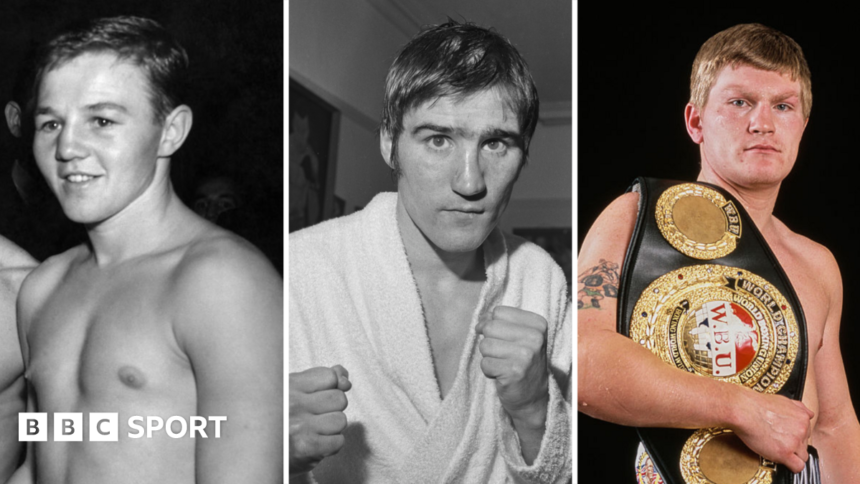
Kicked to the Kerb: Is Boxing’s Brutal Neglect Failing Its Fallen Heroes?
The final bell rings. The crowd roars. Hands are raised, belts are hoisted, and the flashbulbs pop. For a boxer, this moment is the culmination of a lifetime of sacrifice. But what happens when the lights dim for the last time? When the roar becomes a silence so profound it echoes in the soul? For too many fighters, the most punishing bout begins not in the ring, but in the desolate years after they hang up their gloves. The sport of boxing, a billion-dollar global industry built on the courage of individuals, is often accused of a devastating foul: abandoning its heroes once their commercial utility has expired.
The Unseen Opponent: Filling the Void After the Final Bell
Retirement is a transition for any athlete, but in boxing, it is a uniquely perilous cliff edge. The sport demands an all-consuming, singular identity. A boxer’s life is a rigid routine of discipline, pain, and adrenaline, wrapped in a cocoon of team support and public adoration. When it ends, it’s not just a career that stops—it’s an entire existence.
Former world title challenger Stephen Smith recently gave voice to this silent struggle, speaking candidly about the difficulty of trying to “fill the void” after retirement. “It’s the biggest fight of your life,” Smith has said, highlighting the mental and emotional battle that replaces the physical ones. This void is multifaceted: the loss of structure, the fading of fame, the absence of the adrenaline rush that defines a fighter’s nervous system, and the daunting question of “what next?” in a world for which they are often unprepared. Without a robust, mandated support system from the sport’s governing bodies and promoters, fighters are left to navigate this minefield alone.
A Tale of Two Eras: From Terry Spinks to Today
The tragic archetype of the forgotten champion is not a new phenomenon. It is woven into the very fabric of boxing’s history. Consider the story of Terry Spinks, a name that once glittered with Olympic glory. In the mid-1950s, Spinks was a phenomenon. A bookmaker’s son who climbed to the pinnacle of amateur sport to win Olympic gold at the 1956 Melbourne Games, the Londoner became a household name. His cousin, Rosemary Elmore, describes him as the “David Beckham of his era.” “He couldn’t walk down the street without everybody getting hold of him and wanting to take him in the pub,” she recalls.
Yet, after his professional career waned, Spinks fell on desperately hard times, battling financial woes and mental health struggles, a stark fall from the heights of public adoration. His story is not a relic; it is a recurring template. The names change, but the narrative remains hauntingly familiar: a steep, often tragic, decline after the cheers fade. It reveals a systemic failure that has persisted for generations, suggesting the sport’s infrastructure is fundamentally broken when it comes to aftercare.
The Systemic Failures: Why Boxing Leaves Its Fighters Behind
Boxing’s failure is not accidental; it is baked into its decentralized, often exploitative structure. Unlike major team sports with player associations, pensions, and transition programs, boxing operates as a collection of independent contractors (the fighters) navigating a landscape of rival promoters, sanctioning bodies, and managers. The focus is overwhelmingly on the next pay-per-view, the next ticket sale, not on the forty-year life of the individual after their prime.
Key structural flaws include:
- No Universal Pension Plan: Fighters have no guaranteed retirement fund. Earnings are sporadic and must last a lifetime, often after significant cuts to trainers, managers, and promoters.
- Inadequate Healthcare & Safety Nets: While some commissions mandate pre-fight medicals, long-term neurological care and health insurance for chronic injuries like CTE are virtually non-existent for most retired fighters.
- Lack of Transition Support: There is no formal, sport-wide program to help fighters with career retraining, financial planning, or mental health support as they navigate their post-ring identity.
- The “Next Prospect” Mentality: The boxing economy is geared towards discovering and promoting new talent, creating a disposable culture where yesterday’s headliner is quickly forgotten.
A Path to Redemption: How Boxing Can Protect Its Own
Change is not impossible, but it requires a fundamental shift in priority from profit to people. The solution lies in collective responsibility and enforceable reform. The model cannot rely on the occasional charity event; it needs institutional force.
First, a universal pension fund must be established, financed by a small, mandatory percentage of every fight purse, promoter license fee, and broadcasting right. This is a basic provision in many other professional sports.
Second, mandatory contribution to a health and welfare fund is non-negotiable. This fund would provide access to neurological screenings, mental health services, and rehabilitation for retired fighters. Sanctioning bodies like the WBC, WBA, IBF, and WBO, along with state commissions, must make this a prerequisite for licensing.
Third, the sport must institute formal transition programs. This includes partnerships with educational institutions and businesses to provide fighters with skills and opportunities for a second career. Promoting stories like Stephen Smith’s is crucial to destigmatizing the struggle and signposting support.
Finally, greater financial literacy and contract oversight for active fighters can prevent the ruin that often precedes retirement. Independent advisory services could protect fighters from predatory practices.
The Final Round: A Moral Imperative for the Sweet Science
Boxing is a sport of breathtaking courage, where individuals risk everything for glory and a better life. It is a sport that sells the narrative of the triumphant underdog. Yet, its greatest hypocrisy is allowing so many of those warriors to become underdogs once more in life’s hardest fight.
The stories of Terry Spinks and the candid warnings from fighters like Stephen Smith are not isolated tragedies; they are symptoms of a sickness at the sport’s heart. Boxing asks for everything—blood, sweat, tears, and long-term health—and offers no guarantee of care in return. To continue on this path is not just negligent; it is morally indefensible.
The bell has rung on this issue. The sport’s authorities, promoters, and broadcasters are on the clock. They can either continue to look away as heroes are kicked to the kerb, or they can step up and build a legacy of care worthy of the warriors who create their wealth. The choice will define boxing’s soul for generations to come.
Warning: This story contains information some readers may find distressing. If you or someone you know has been affected by issues related to mental health, support is available. Please reach out to relevant support services in your country.
Source: Based on news from BBC Sport.