Koepka’s PGA Tour Return: Punishment, Pardon, or Pragmatism?
The prodigal son has returned, but the fatted calf is nowhere in sight. Brooks Koepka, the five-time major champion and defiant face of the LIV Golf exodus, is officially back in the PGA Tour fold. This isn’t a full-time homecoming; it’s a conditional, complex, and controversial reinstatement that has sent shockwaves through the sport. The announcement has cleaved the golf world, with fans and pundits alike asking a single, loaded question: Given his pivotal role in the schism that fractured professional golf, what exactly has been Brooks Koepka’s punishment? The answer is not a simple suspension or fine, but a nuanced tale of strategic negotiation, shifting power dynamics, and the cold, hard currency of major championship glory.
The Framework of Forgiveness: Understanding the “Punishment”
To label Koepka’s path back as a mere “punishment” is to misunderstand the intricate settlement between the PGA Tour and Saudi Arabia’s Public Investment Fund (PIF). Koepka, like other LIV players who wish to reapply for Tour membership, isn’t facing a traditional sporting penalty. Instead, his “punishment” is more accurately described as a series of financial and competitive opportunity costs incurred during his LIV tenure and a set of future obligations.
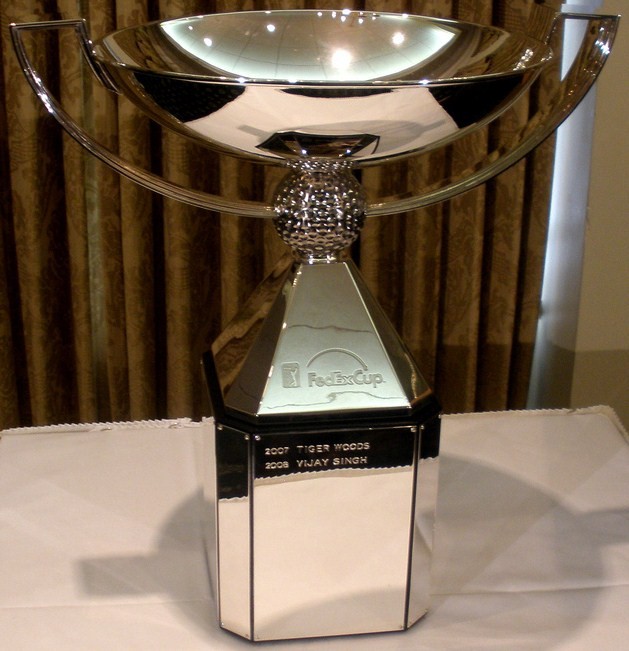
First and foremost, Koepka forfeited all PGA Tour earnings and FedEx Cup points from his time as a LIV golfer. More significantly, he has no access to the massive $100 million Player Equity Program the Tour established in its SSG partnership—a reward expressly for players who remained loyal. This represents a nine-figure financial snub for defectors. Furthermore, his return is not a clean slate. The pathway back mandates:
- Re-application for Membership: A humbling procedural step for a star of his caliber.
- Fines and Legal Settlement Payments: While undisclosed, sources confirm LIV players must pay fines and settle any outstanding legal claims as part of their reinstatement.
- Mandatory Participation in “Elevated” Events: Returning players must commit to playing in a minimum number of the Tour’s designated, high-purse events if eligible, a directive aimed at strengthening fields the Tour promised to sponsors.
- Forfeiture of Past Tour Sanctions: Any previously issued fines or suspensions are considered served during their time away.
In essence, Koepka’s punishment is a blend of retroactive financial loss and future contractual servitude to the Tour’s product. He bought his freedom with a nine-figure check from LIV, and is now buying it back with a different currency: his compliance and star power.
The Major Loophole: Why Koepka Always Held the Cards
Brooks Koepka was never just another defector. His unique position as an active, dominant major champion at the time of his move to LIV created an undeniable leverage point. While the PGA Tour could ban him from its weekly events, it had—and has—zero authority over the four major championships. Koepka’s triumphant victory at the 2023 PGA Championship at Oak Hill was a tectonic moment. It proved a LIV player could not only compete but conquer on the grandest stage, rendering any notion of a “competitive exile” moot.
This major championship success created an untenable situation for the PGA Tour. How could it claim to host the world’s best players while actively banning the reigning PGA Champion? Koepka’s major wins became a strategic shield and a bargaining chip. His eligibility for the Ryder Cup, where he was a crucial U.S. team member in 2023, further complicated the narrative. The “punishment” was always constrained by this reality. The Tour could impose conditions, but it could not afford to permanently ostracize a living, breathing major champion in his prime without damaging its own product.
Expert Analysis: The Realpolitik of Modern Golf
“This isn’t about justice or discipline in a traditional sense,” notes Dr. Amanda Carter, a sports governance scholar. “It’s about corporate realpolitik. Koepka’s return is a symptom of the PGA Tour’s weakened monopoly. The ‘punishments’ are less about penalizing past behavior and more about structuring incentives for future behavior that benefits the Tour. They need his Q-rating and his major championship pedigree to satisfy broadcast partners and sponsors in the short term, while they figure out the long-term merged future.”
The calculus is coldly logical. Koepka brings eyes, narrative, and legitimacy. The Tour brings history, structure, and access to legacy. Their mutual need forced a compromise where the concept of pure punitive justice was abandoned for pragmatic coexistence.
Divided Reactions and the Integrity Question
The golf world’s reaction is a microcosm of the sport’s two-year civil war. Many traditionalists and Tour loyalists view Koepka’s return as a betrayal of principle, a capitulation that rewards disloyalty. They argue it sets a dangerous precedent where star power can eclipse fidelity, undermining the “play for legacy, not just money” ethos the Tour championed.
Conversely, a growing segment of fans and some players welcome the return of top talent to a unified product. “I just want to see the best guys play against each other, period,” reflects veteran Tour pro Kevin Kisner. “The drama got old. If the guys in suits have figured it out, then let’s get on with the golf.” For this group, the competitive integrity of fields is paramount, and Koepka’s presence elevates every event he enters.
This division underscores the unresolved tension. The “punishment” feels insufficient to some and irrelevant to others, leaving a lingering bitterness that no financial settlement can fully erase.
The New Landscape: Predictions for Koepka and the Tour
So, what happens now? Koepka’s return is a bellwether for the sport’s messy, merged future.
- Selective Schedule: Expect Koepka to play a heavily curated schedule, focusing almost exclusively on majors, designated events, and perhaps a handful of legacy Tour stops. The days of a 25-event season are over for him.
- Heightened Scrutiny: Every move Koepka makes will be analyzed for signs of discord or entitlement. His interactions with players who stayed loyal will be a constant subplot.
- Commercial Chill: While he can earn prize money, Koepka may find certain Tour sponsor relationships cooled permanently. His off-course earnings will likely remain dominated by LIV and his personal endorsements.
- The Floodgates Are Open: Koepka’s path will be the template for other LIV stars like Dustin Johnson, Bryson DeChambeau, and Cameron Smith. Their “punishment” will be identical in framework, if not in total financial impact.
The ultimate prediction is an uneasy peace. The PGA Tour gets to showcase its full roster of stars again, and the LIV players get access to the history and pathways (like the Player Impact Program) they craved. But the federation is fragile, built on a business deal, not renewed trust.
Conclusion: A Punishment of Pragmatism, Not Principle
Brooks Koepka has not been punished in the classic, sporting sense of the word. He has been reintegrated under a new set of commercial terms. His penalty is the fortune he left on the table and the contractual handcuffs he must now wear. The drama of his return exposes the core truth of modern professional golf: it is no longer simply a sport of tournaments and trophies, but a complex asset management business where players are franchises, and loyalty is a negotiable contract clause.
The divide his return causes will heal only with time and competition. The real judgment on Koepka’s chapter in golf’s great schism will not be delivered by a Tour commissioner, but by the history books. If he adds more majors in this second act, his return will be seen as an inevitable triumph of talent. If he fades, it will be a cautionary tale. For now, the message is clear: in the new world order, your punishment is simply the price of your leverage.
Source: Based on news from Sky Sports.
Image: CC licensed via commons.wikimedia.org