Lionel Messi’s Next Masterpiece: From Pitch Icon to Club Ownership Visionary
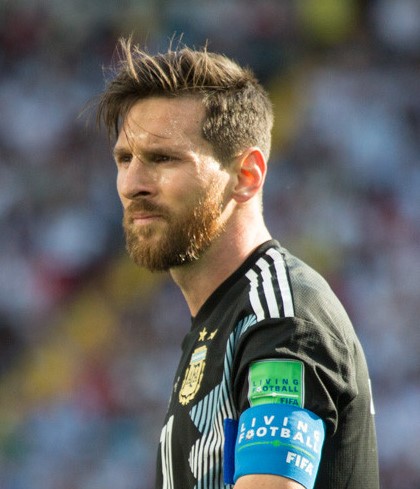
The image is iconic: Lionel Messi, ball at his feet, gliding past defenders with preternatural calm, his eyes already mapping the path to goal. For two decades, the football world has watched, mesmerized, as he painted his artistry on the green canvas of the pitch. But as the twilight of his unparalleled playing career approaches, a new portrait is being sketched—one not of a coach on the touchline, but of a visionary in the boardroom. In a revealing interview, Messi has definitively dismissed the well-trodden path to coaching, instead outlining a bold, long-term ambition: to become a club owner dedicated to foundational growth and youth development.
Beyond the Whistle: Messi’s Clear Vision for a Post-Playing Career
For many legendary players, the natural progression after retirement seems to lead to the technical area. The likes of Pep Guardiola, Diego Simeone, and Xavi Hernandez have translated their on-pitch genius into managerial success. The football world almost expected Lionel Messi to follow suit. Yet, in a conversation with Luzu TV, the Argentine maestro offered a refreshingly different blueprint for his future.
“I don’t see myself as a coach,” Messi stated unequivocally. He elaborated, drawing a clear distinction between management and coaching. “I like management, but if I have to decide between the options, I would like to be an owner.” This isn’t a fleeting thought but a considered preference that aligns with his meticulous, strategic approach to the game. Messi’s vision is not about short-term tactical adjustments but about long-term institution-building. He dreams of constructing a project from its very foundations, a challenge that appeals to his desire for a lasting legacy beyond 90 minutes.
His focus, he says, would be on creation and opportunity: “I would like to have my own club, to grow it from the bottom and to give kids and people the opportunity to develop and make it an important club.” This statement reveals a philosophy that has likely been shaped by his own journey—from the Rosario streets to the zenith of world football—and a desire to replicate that pathway for future generations.
Building the Foundation: Messi’s First Steps into Football Ownership
While his comments provide a glimpse into a future a few years away, Lionel Messi is already laying the practical groundwork for his post-retirement ambitions. His involvement is not merely speculative; it is operational and strategic, offering clear signals of his preferred direction.
- Deportivo LSM: In a move that flew somewhat under the global radar, Messi, alongside his close friend and former Barcelona teammate Luis Suárez, became a part-owner of Uruguayan fourth-division side Deportivo LSM. This project is the epitome of “growing from the bottom.” Suárez has described it as a “family dream” focused on providing tools and opportunities for Uruguayan youth. For Messi, it serves as a real-world laboratory for his ownership philosophy.
- Inter Miami Stake: Perhaps the most significant indicator is embedded in his current playing contract. The landmark three-year extension Messi signed with Inter Miami in October 2023 includes a future minority ownership stake in the MLS franchise. This clause is a masterstroke, ensuring his influence at the club evolves seamlessly from on-field talisman to off-field strategist, directly aligning his playing legacy with the club’s long-term growth.
These are not vanity investments. They are calculated, early entries into the complex world of football club administration, giving Messi firsthand experience in the domains of youth development, financial management, and strategic planning long before he hangs up his boots for good.
Why Ownership Over Coaching? Analyzing the Maestro’s Mindset
The choice to pursue ownership over coaching is a profound one that speaks volumes about Messi’s personality and his view of the sport. Expert analysis suggests several compelling reasons behind this decision.
First, coaching is inherently reactive and granular. It deals with daily training sessions, weekly opponent analysis, and in-game tactical shifts. Messi’s genius has always been intuitive and expressive; translating that into instruction for others is a different skillset entirely, one he openly admits does not appeal to him.
Ownership and management, conversely, are proactive and holistic. They involve shaping a club’s identity, constructing a sustainable sporting project, and making macro-level decisions that impact years and decades. This aligns with the patient, builder’s mentality Messi describes. Furthermore, the relentless pressure and media scrutiny faced by modern managers—often focused on short-term results—stand in stark contrast to the more measured, long-term horizon of an owner focused on development.
Messi’s emphasis on youth development also hints at a desire to create a lasting ecosystem. As an owner, he can implement the philosophies, facilities, and scouting networks that he believes are essential for nurturing talent. It’s a chance to build a club in his image: one that values technical skill, creative freedom, and organic growth.
The Future of Football: Messi’s Potential Impact as an Owner
Predicting the impact of a Messi-owned club is a fascinating exercise. His entry into football ownership could reshape aspects of the sport’s landscape, particularly in the Americas.
Given his current ties and initial investments, it is logical to predict that his primary focus will be in North or South America. A project in Argentina, perhaps in his hometown of Rosario, would carry immense symbolic weight. Alternatively, deepening his roots in MLS through an expanded role at Inter Miami or a new venture is equally plausible. His global brand and unparalleled credibility would instantly attract top young talent, investors, and commercial partners to any project he leads.
We can expect a Messi-owned club to prioritize:
- State-of-the-art youth academies modeled on La Masia’s principles.
- A clear, attacking football identity ingrained at all levels of the club.
- Strategic commercial growth leveraging his unprecedented global appeal.
- A family-like, protective environment for young players, shielding them from the pressures he experienced early in his career.
In many ways, his ownership model may seek to combine the best of Barcelona’s youth-centric philosophy with the ambitious, forward-thinking energy of modern MLS.
Conclusion: Architect of a New Legacy
Lionel Messi spent his career deconstructing defenses and redefining what is possible on a football pitch. Now, he is preparing to deconstruct the conventional post-career script for a superstar. By choosing the owner’s suite over the manager’s office, he is seeking a different kind of creation—one of infrastructure, culture, and opportunity.
His journey from the pitch to the front office marks a significant evolution in the narrative of modern footballers. It underscores that a deep love for the game can be channeled into roles that shape its very foundations. While the world may never see “Coach Messi,” the prospect of “Owner Messi”—a figure dedicated to building clubs, nurturing futures, and applying his legendary football IQ to a grander canvas—is arguably an even more exciting and transformative chapter. The maestro is not leaving the stage; he is redesigning the theater itself, ensuring his influence on the beautiful game endures for generations to come.
Source: Based on news from India Today Sport.
Image: CC licensed via commons.wikimedia.org