Luis Robert Jr. Trade Grades: Did the Mets or White Sox Win This Blockbuster?
For months, the baseball rumor mill churned with a singular, tantalizing possibility: Luis Robert Jr., the electrifying centerpiece of the Chicago White Sox, donning the blue and orange of the New York Mets. That speculation has finally crystallized into reality. In a move that reshapes the trajectories of both franchises, the Mets have acquired the All-Star outfielder, sending a significant package of young talent back to Chicago. This isn’t just a player swap; it’s a statement of intent from a win-now Mets team and a definitive pivot toward the future for the rebuilding White Sox. We break down the details, the strategy, and deliver our definitive trade grades for this seismic deal.
The Trade Details: A Prospect Haul for a Superstar
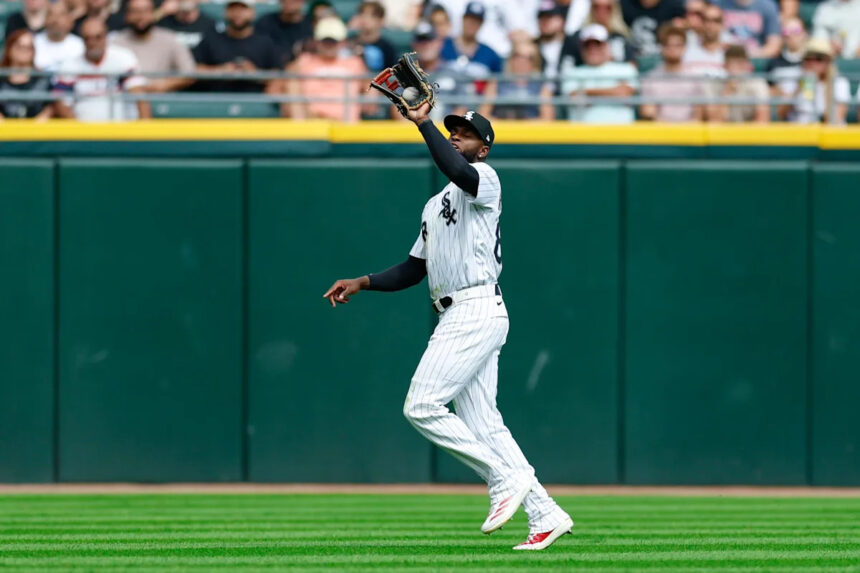
The framework of the deal is straightforward, centering on quality over quantity. The Chicago White Sox receive two of the Mets’ top-10 prospects: infielder Luisangel Acuña (brother of NL MVP Ronald Acuña Jr.) and right-handed pitcher Truman Pauley. In return, the New York Mets acquire the crown jewel: 2023 All-Star and Gold Glove winner Luis Robert Jr.. Robert immediately slots into center field for the Mets, with Brandon Nimmo, whose name swirled in earlier rumors, shifting to a corner outfield spot to create one of the most formidable defensive outfields in baseball.
This trade is the culmination of a prolonged courtship. The Mets, under the aggressive stewardship of owner Steve Cohen and President of Baseball Operations David Stearns, have been laser-focused on adding a right-handed power bat to balance their lineup. Robert, with his combination of elite defense, speed, and 30+ home run potential, represented the perfect—albeit expensive—fit.
New York Mets Grade: A-
The Mets’ grade hinges on a critical, unspoken part of this deal: Luis Robert Jr.’s health. When he’s on the field, he’s a bona fide top-15 player in MLB. In 2023, he slashed .264/.315/.542 with 38 homers, 80 RBI, and 20 stolen bags, showcasing a rare five-tool arsenal. He transforms the Mets’ lineup from very good to potentially elite.
Why the Mets Made This Move:
- Win-Now Urgency: With a veteran core and a massive payroll, the Mets’ window is wide open. Robert is under a remarkably team-friendly contract through 2027 (with club options for ’26 and ’27), giving them a superstar in his prime at a controlled cost.
- Perfect Roster Fit: He solves multiple problems: right-handed power, elite outfield defense, and dynamic baserunning. His presence lengthens the lineup dramatically.
- Asset Management: The Mets have a deep farm system, cultivated through recent trades and drafts. Dealing from a position of prospect strength (middle infield) to acquire a proven superstar is textbook team-building for a contender.
The Risk Factor: The minus in the “A-” grade is solely due to Robert’s injury history. He has played over 100 games only twice in his five seasons. The Mets are betting millions and premium prospects that their medical and performance staff can keep him on the field. If he plays 140+ games, this is an “A+” heist. If he’s frequently injured, the cost will feel steep. However, for a team in their position, this is precisely the type of high-reward gamble you must take.
Chicago White Sox Grade: B+
For the White Sox, this trade is less about 2024 and more about 2026 and beyond. After a disastrous season, new General Manager Chris Getz is executing a full-scale rebuild. Trading your best player is always painful, but it was a necessary step.
Why the White Sox Made This Move:
- Rebuild Acceleration: Luisangel Acuña is now the centerpiece of Chicago’s future. A plus-runner with a quick bat, he projects as a dynamic middle infielder. While he may not have his brother’s otherworldly power, his hit tool and athleticism are considered elite. He immediately becomes a top-3 prospect in their system.
- Pitching Depth: Truman Pauley is a fascinating arm. A 2023 draft pick, his stock soared in his first pro season with a high-velocity fastball and a devastating slider. He adds crucial high-ceiling pitching depth to a farm system desperately in need of it.
- Capitalizing on Value: Trading a star with injury concerns at the absolute peak of his value is smart business. Robert’s affordable contract made him attractive to every contender, allowing Chicago to demand a premium return.
The Caveat: The grade is a “B+” because while the return is strong, it’s not the overwhelming, franchise-altering haul some might expect for a player of Robert’s caliber. The success of this trade for Chicago rests almost entirely on Acuña’s development into an All-Star caliber player. If he becomes a perennial .300 hitter and table-setter, this trade is a win. If he plateaus as a utility player, the White Sox will have missed an opportunity. Pauley’s development as a potential frontline starter is the key to pushing this grade into “A” territory.
Predictions and Long-Term Impact
This trade creates clear, divergent paths for both clubs. For the New York Mets, the prediction is simple: they are now unequivocal favorites in the NL East and a serious World Series contender. A lineup featuring Francisco Lindor, Pete Alonso, Brandon Nimmo, and now Luis Robert Jr. is a nightmare for opposing pitchers. The pressure will be immense in Queens, but the roster is built to handle it.
For the Chicago White Sox, the prediction is a commitment to patience. The 2024 season will be about development. Watch for Acuña to get significant playing time at second base or shortstop in the majors by season’s end. Pauley will be a name to follow in the minors. This trade, likely the first of several dealing veterans, sets the foundation. Their success won’t be measured in wins this year, but in the growth of their new prospects.
The ripple effects are significant. The Mets have declared an end to their brief retooling phase. The National League just got another superstar. The White Sox have officially entered a new era, one defined by the prospects they’ve acquired.
Final Verdict: A Calculated Gamble Meets a Necessary Reset
In the high-stakes poker game of MLB trades, there are rarely clear losers. This deal is a fascinating study in contrasting team philosophies. The New York Mets earn an A- for having the courage and resources to acquire a transformative talent. They addressed their biggest need with one of the best players available, accepting the inherent health risk for a chance at a championship.
The Chicago White Sox receive a B+ for executing a difficult but essential trade. They secured two high-quality prospects that align perfectly with their long-term timeline. While they didn’t land a can’t-miss, top-5 global prospect, they added crucial building blocks to a barren system.
Who won? In the immediate sense, the Mets win the 2024 season. They got the best player in the deal, and that’s what contenders are supposed to do. For the White Sox, victory will be determined years from now, in the development of Acuña and Pauley. This trade is a testament to the fact that in baseball, a deal can be a win for both sides, even as they pursue diametrically opposed goals. The Mets are all-in on the present. The White Sox are building for the future. And the game is better for the boldness of both.
Source: Based on news from Yahoo Sports.