Lung-Busting Runs & Heavy Snowfall: Skimo’s ‘Magical’ Olympic Debut in Bormio
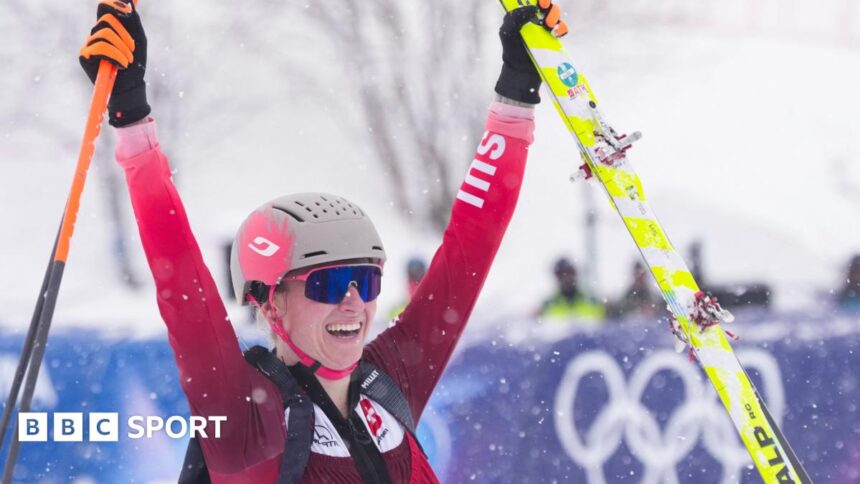
The air crackled with a unique energy in Bormio on Thursday. It wasn’t just the blizzard whipping snow across the Italian Alps; it was the palpable sense of history being forged. In a breathtaking spectacle of human endurance and alpine skill, ski mountaineering—affectionately known as skimo—exploded onto the Olympic stage. Against a backdrop of near-whiteout conditions, athletes redefined winter sport extremity, combining the lung-searing agony of cross-country skiing with the technical precision of alpine racing. And when the final spray of snow settled, it was Switzerland’s Marianne Fatton who carved her name into the record books, adding an inaugural Olympic gold to her world championship title in a performance as gritty as it was glorious.
A Debut Forged in a Blizzard: The Essence of Skimo Unveiled
If the International Olympic Committee wanted to showcase the raw, unfiltered heart of mountain sport, they could not have scripted it better. The heavy snowfall and howling winds that battered the Stelvio Pass didn’t postpone the event; they authenticated it. This was ski mountaineering in its purest form—a relentless battle against the mountain and the elements. The sprint event, a compact, explosive format perfect for Olympic introduction, is a multi-faceted torture test. Athletes must master a rapid-fire sequence of disciplines: a flat-out uphill sprint on skis with sticky “skins” attached for grip, a transition to a boot-carrying lung-busting run up steep steps, a heart-in-mouth downhill ski race, followed by another climb and a final descent to the finish. It is a sport where transitions are as crucial as cardiovascular capacity, and a single fumble with a binding can shatter gold-medal dreams.
The conditions amplified every challenge. Visibility on the descents was minimal, turning gates into ghostly apparitions. The fresh snow demanded impeccable technique. Yet, the athletes thrived. “It’s a magical day,” beamed the gold medalist Fatton post-race. “It’s history for our sport, and for us as athletes, and it’s wonderful.” Her words captured the moment—a long-overdue recognition for a discipline born in the high alpine, now shining under the Olympic flame.
Dissecting the Gold: Fatton’s Masterclass in Suffering and Strategy
Marianne Fatton’s victory was a textbook example of skimo intelligence. The sprint format is notoriously unpredictable, often favoring tactical savvy over pure climbing horsepower. Expert analysis of the race reveals a champion who managed every variable perfectly:
- The Start Surge: Fatton established position early, avoiding the potential chaos of a crowded first climb in poor visibility.
- Transition Domination: In a sport where seconds are won and lost not just on snow but on the click of a binding, her transitions were fluid and precise. The change from ski-climb mode to carry-mode for the booter section was a blur of efficient motion.
- Descending Courage: With a lead to protect on the final downhill, Fatton attacked the fall-line with fearless aggression, a statement of intent to her pursuers.
- Mental Fortitude: The pressure of being world champion, competing in a historic first Olympic event, in a blizzard, is immense. Her composure never wavered.
The silver medal story added a fascinating subplot. France’s Emily Harrop, who finished just 0.62 seconds behind, possesses a unique sporting lineage. Born in the UK to a British mother and French father, she could have competed for Team GB. Her choice to race for France delivered them a silver, but her performance undoubtedly caught the eye of British skiing officials, potentially igniting a development push for the sport in a nation not traditionally associated with high alpine racing.
Beyond the Sprint: What Skimo’s Olympic Future Holds
The thrilling debut in Bormio was merely the opening chapter. Skimo’s inclusion is not a one-off; it is a central pillar of the IOC’s strategy to attract younger, adrenaline-seeking audiences. The sport’s future on the Olympic program looks exceptionally bright. The spectacle—athletes pushing physiological limits while navigating complex mountain terrain—is tailor-made for modern sports broadcasting. The predictions for the sport’s evolution are compelling:
- Format Expansion: Look for the addition of a mixed-gender relay and potentially individual vertical or long-distance events in future Games, showcasing different athletic facets.
- Technological Arms Race: Equipment will evolve rapidly. Skis, bindings, boots, and skins will become lighter and faster, with R&D budgets ballooning as national federations invest.
- Nation vs. Nation Rivalries: Traditional alpine powerhouses like Switzerland, France, and Italy will be challenged by nations with strong mountaineering cultures, such as the USA, Canada, and even Asian nations like Japan and China.
- Mainstream Appeal: The relatable agony of the ascent and the thrilling spectacle of the descent creates a unique narrative arc that will resonate with casual viewers, boosting its profile far beyond its niche origins.
The Bormio blizzard, rather than obscuring the sport, illuminated its core truth: this is about more than just skiing. It’s about mountain heritage, human resilience, and a deep, intimate dialogue with the alpine environment.
A New Alpine Legacy Begins
The echoes of cowbells and cheers in Bormio have faded, but their significance reverberates through the world of winter sports. Skimo’s Olympic debut was an unqualified success, a day that was, in Marianne Fatton’s perfect description, “magical.” It delivered everything the Olympics should: unprecedented athleticism, compelling human drama, and a profound respect for the natural world. The athletes, caked in snow and exhaustion, embodied a purity of effort often lost in the commercialized modern Games.
They did not just race for gold; they pioneered a path. They introduced a global audience to the sound of heaving breath on a steep climb, the decisive click of a binding, and the whisper of skis carving through fresh Olympic powder. They proved that the mountain is the ultimate arena, and that the combination of uphill grit and downhill grace is a potent new formula for Olympic glory. A new, lung-busting chapter in Winter Olympic history has begun, and its future, much like the sport itself, looks breathtakingly steep and brilliantly bright.
Source: Based on news from BBC Sport.