Manchester City Squad’s Unprecedented Gesture: Players to Refund Fans After Bodo/Glimt Defeat
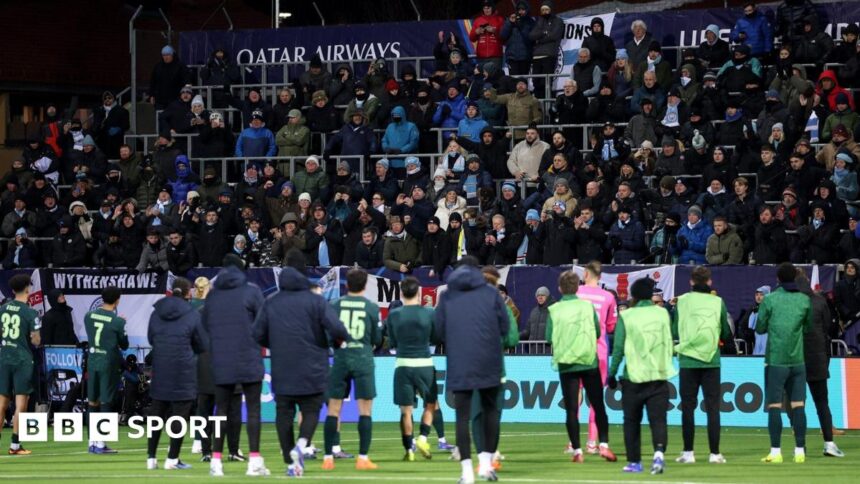
In the high-stakes, multi-billion pound theatre of modern football, the bond between a team and its travelling supporters is often spoken of in clichés. It is a relationship tested by miles logged, money spent, and, most acutely, by results suffered in distant, cold outposts. This week, Manchester City transformed that rhetoric into tangible, meaningful action. In a move that has reverberated far beyond the Premier League, the entire City first-team squad has taken the extraordinary step of personally refunding the ticket costs for the 374 fans who witnessed their shocking 3-1 Champions League defeat to Bodo/Glimt in the Norwegian Arctic. This is not a club PR initiative; this is a player-driven act of solidarity, a rare moment of financial empathy that speaks volumes about the character within Pep Guardiola’s dressing room.
A Gesture Forged in the Arctic Cold: The Facts of the Refund
The context makes the gesture even more powerful. The trip to Bodo, a town situated north of the Arctic Circle, represented one of the most logistically challenging and expensive away days on the European calendar. Following a bruising defeat at the hands of rivals Manchester United just days prior, the performance in Norway was a profound disappointment. The players, visibly frustrated, knew the display did not match the sacrifice of those who had made the arduous journey.
The financial mechanics of the refund are straightforward but significant:
- Number of Fans Reimbursed: 374 away supporters in attendance at the Aspmyra Stadion.
- Cost Per Ticket: Approximately £25 for the Champions League away ticket.
- Total Player Contribution: £9,357, pooled directly from the players’ own resources.
- Official Spokespersons: The club’s captaincy group of Bernardo Silva, Ruben Dias, Rodri, and Erling Haaland issued a unified statement on behalf of the squad.
In their statement, the leaders cut to the heart of the matter: “Our supporters mean everything to us. We know the sacrifice that our fans make when they travel across the world to support us home and away and we will never take it for granted. They are the best fans in the world.” These are not empty words. By putting their hands in their pockets, the players have backed this sentiment with concrete action, acknowledging that the fans’ investment—emotional and financial—deserves respect, especially when the product on the pitch falls short.
Expert Analysis: Beyond PR – A Cultural Masterstroke
From a sports journalism and management perspective, this decision is a fascinating case study in modern team culture and fan engagement. In an era where players are often seen as detached celebrities, this act rebuilds a crucial bridge. It is a powerful message of shared responsibility. The players are effectively saying, “We failed together, and we shoulder the burden together.”
This move does several things simultaneously. Firstly, it deflects criticism and builds goodwill at a sensitive time. After two uncharacteristic losses, the narrative could have quickly soured. Instead, the conversation has shifted to the squad’s accountability and connection to the fans. Secondly, it reinforces the internal standards within the squad. By collectively agreeing to this refund, the players are holding a mirror up to their own performance, setting a bar that says such displays are unacceptable, not just for the club’s ambitions, but out of respect for the support.
Critically, this was a player-led initiative. This distinction cannot be overstated. A club-organised refund would have felt like corporate damage control. A decision emanating from the dressing room, spearheaded by respected figures like Dias and Silva, feels authentic. It suggests a leadership group deeply in tune with the club’s ethos and the mood of its supporter base. In the ruthless world of top-tier football, this kind of empathy is a rare and valuable currency.
The Ripple Effect: Will This Start a New Trend?
The immediate question for the football world is: will this set a precedent? It’s unlikely to become a formal or regular occurrence across the sport, and rightly so. The unique circumstances—a remote, expensive trip followed by a subpar performance—made this gesture particularly apt. If such refunds became routine, they would lose their profound meaning and could even create unrealistic expectations.
However, the symbolic impact is immense. It raises the bar for player-fan relations and places a spotlight on the ever-growing cost of supporter commitment. It may pressure other clubs and squads to think more creatively about how they acknowledge and reward extraordinary fan loyalty, especially following disappointing performances in difficult circumstances. We may see more tailored gestures—perhaps funding travel for a future trip, or exclusive player-fan events—inspired by this act of contrition.
For Manchester City specifically, this action is a strategic masterstroke in squad unity. It bonds the players with the fans in a shared moment of adversity, transforming a negative experience into a unifying story. As they return to Premier League and Champions League action, that reinforced bond could prove to be an intangible asset. The fans who were refunded will likely remember this gesture for far longer than the scoreline, potentially fostering even deeper loyalty.
Predictions and the Road Ahead for City
While the refund story dominates headlines, the footballing challenges for Pep Guardiola’s side remain. This gesture, however, signals a crucial reset in mentality. It is a public acknowledgment that recent performances were below par, serving as a circuit-breaker and a rallying cry. The leadership group has taken charge off the pitch; the expectation now is that they will spearhead the response on it.
Look for City to respond with a focused and ferocious intensity in their coming fixtures. The refund has drawn a line under the past week. The squad has publicly staked their pride on their connection to the fans, and the best way to honour that is through performances that reflect their true quality. This episode may well be remembered not as a sign of weakness, but as the moment a supremely talented squad reconnected with its core purpose, strengthening the collective resolve for the grueling season ahead.
Furthermore, this act strengthens the club’s cultural identity. Beyond the trophies and the star players, Manchester City can now point to a moment where their team demonstrated exceptional class and accountability. In the long-term project of building a globally respected institution, such actions are as valuable as any signing.
Conclusion: A Defining Moment of Class and Connection
Manchester City’s decision to refund their travelling supporters is far more than a financial transaction. It is a profound statement in an often-cynical industry. In the cold of Norway, the players recognized a debt that went beyond the pitch. By personally ensuring those fans did not pay to see a performance unworthy of their sacrifice, Bernardo Silva, Ruben Dias, Rodri, Erling Haaland, and their teammates have defined what modern club leadership can look like.
This gesture acknowledges a simple, often forgotten truth: football’s immense wealth is built on the passion of supporters. In refunding £9,357, the City squad has invested incalculable value in their relationship with the fanbase. It is a reminder that even in the era of superclubs, the heart of the game still beats strongest in acts of shared respect and responsibility. As the season progresses, this moment of humility and unity may well be seen as a turning point—not just in City’s campaign, but in the ongoing conversation about what truly binds a team to its people.
Source: Based on news from BBC Sport.