Manchester United Fume as Morocco Stands Firm on Mazraoui AFCON Release
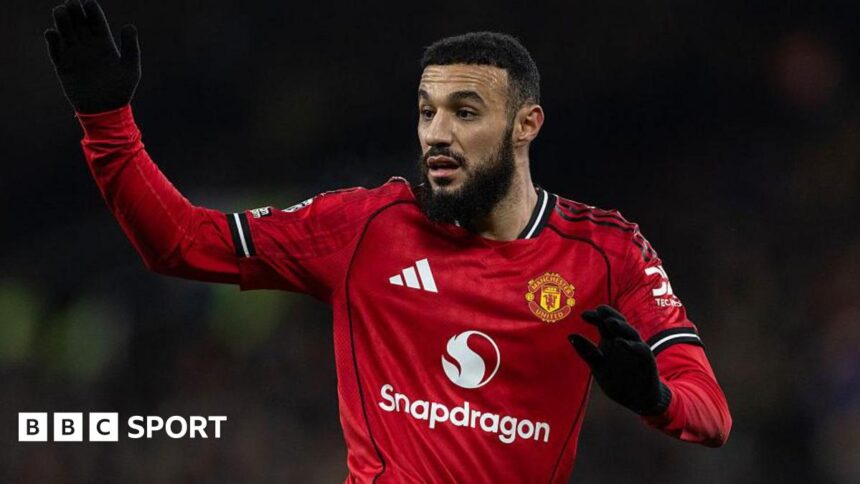
The delicate dance between club and country has taken a contentious turn at Old Trafford. Manchester United are embroiled in a fresh dispute with the Moroccan Football Federation (FRMF) over the early release of defender Noussair Mazraoui for the Africa Cup of Nations, a clash of interests that highlights the growing tension in football’s crowded calendar. Despite a last-minute FIFA amendment designed to offer clubs a sliver of respite, the Red Devils find themselves feeling short-changed and frustrated as a key player departed ahead of a crucial Premier League fixture.
A Clash of Calendars and a FIFA Compromise
The core of this dispute lies in the intricate and often unforgiving scheduling of international tournaments. Initially, FIFA regulations mandated that players be released 14 days before their nation’s first AFCON match. For Morocco, hosting the tournament and kicking off against Comoros on December 21st, that meant a December 7th release date. However, following significant pressure from European clubs, FIFA announced a modification on December 3rd. The new ruling stated clubs only needed to release players from December 15th, effectively granting an extra week of availability.
Manchester United, along with many other clubs, operated under the assumption this was a universal adjustment. They planned accordingly, integrating Mazraoui—who had started their previous two matches—into the lineup for their Monday night showdown with Bournemouth on December 11th. The club’s anger stems from the belief that this FIFA directive was a clear, negotiated compromise.
- Original FIFA Rule: Release 14 days before first AFCON match (Dec 7th for Morocco).
- Amended FIFA Rule (Dec 3rd): Release from December 15th.
- Manchester United’s Expectation: Mazraoui available for Bournemouth (Dec 11).
- Morocco’s Decision: Insisted on earlier release, excluding Mazraoui from the squad.
United’s Anger and Morocco’s Unilateral Stance
The frustration at Carrington is palpable and multifaceted. Firstly, the timing of Morocco’s decision directly impacted a vital Premier League match. United, in a tense 4-4 draw with Bournemouth, could have used the stability of an in-form Mazraoui. His absence forced a defensive reshuffle, a disruption the club felt was unnecessary given the revised FIFA guideline.
Secondly, and perhaps more gratingly, the inconsistency in application is glaring. As United head coach Ruben Amorim confirmed, negotiations were ongoing for multiple AFCON-bound players. Crucially, Cameroon permitted Bryan Mbeumo to stay, and Ivory Coast allowed Amad Diallo to remain. Both players featured for their clubs this past weekend. Morocco’s decision to take a harder line, therefore, is seen as a unilateral move that disregarded the spirit of the new FIFA agreement.
“We were in continuous dialogue with the relevant federations,” Amorim stated on Friday. “While we reached positive understandings with some, others chose a different path. It’s disappointing when a collective solution is undermined.” This sentiment underscores a feeling that Morocco, as tournament hosts, prioritized their own extended preparation over the cooperative adjustment FIFA attempted to broker.
Expert Analysis: Power, Preparation, and Precedent
From a journalistic and analytical standpoint, this incident is a microcosm of the shifting power dynamics in global football. National associations, particularly those from Africa with immense pride and expectation surrounding AFCON, are increasingly assertive. For Morocco, hosting the continent’s premier event is a matter of immense national prestige. The pressure to succeed, and to leave no stone unturned in preparation, is colossal. Securing their squad early, for an extended training camp on home soil, is viewed as non-negotiable.
However, the club perspective is equally valid. The Premier League offers no pause for AFCON. The festive fixture schedule is notoriously brutal, and losing a key player for even one extra match can have significant consequences in tight league standings. The FIFA amendment on December 3rd was a rare victory for club lobbying, acknowledging the physical and logistical strain on players. Morocco’s rejection of it sets a dangerous precedent, potentially encouraging other federations to ignore future compromises and simply enforce the earliest possible date.
Furthermore, this situation risks harming the very player at its center. Mazraoui, finally finding rhythm and consecutive starts at United, has his momentum halted. He now faces the challenge of switching focus entirely, under the weight of home nation expectation, knowing his club is dissatisfied with the process. It’s the player who often bears the unseen burden of these administrative clashes.
Predictions and Ramifications for Club-Country Relations
The fallout from this dispute will extend beyond a single missed match. We can anticipate several key developments:
- Strained Relations: The rapport between Manchester United and the FRMF will be damaged, potentially making future negotiations over player release or injury management more fraught.
- Transfer Market Caution: Clubs may become even more wary of signing players from nations perceived as inflexible with release rules, potentially impacting market value and movement.
- FIFA’s Role Questioned: If its negotiated compromises can be selectively ignored, FIFA’s authority in mediating club vs. country issues is weakened. This may lead to calls for more binding, enforceable agreements rather than “recommended” release dates.
- Player Power Movement: Increasingly, players themselves may need to be more vocal in these discussions, as their careers and bodies are caught in the middle. Their representatives will likely demand clearer protocols.
Looking ahead to the January window, this incident serves as a stark warning. The clash between international football’s crown jewels and the unrelenting club season is intensifying. Without genuine collaboration and respect for agreed-upon frameworks, these skirmishes will become routine, with players and teams alike paying the price.
Conclusion: A Draw That Feels Like a Defeat
For Manchester United, the 4-4 thriller with Bournemouth will be remembered not just for dropped points, but for the defensive absence that preceded it. The club’s anger at Morocco’s rejection of their plea for Mazraoui is rooted in a sense of unfairness and broken trust. While the FRMF is well within its rights to want its best players early, its decision to sidestep a recent FIFA adjustment undermines collective bargaining and sets a concerning precedent.
This is more than a simple club-versus-country spat; it is a symptom of a congested football ecosystem struggling to balance competing sovereign interests. As AFCON kicks off under Moroccan lights, the tournament will carry the shadow of this dispute. The hope must be that it catalyzes more structured, respectful dialogue. Otherwise, the only certain outcomes are more anger, more frustration, and players like Noussair Mazraoui trapped in the middle of an endless game of tug-of-war.
Source: Based on news from BBC Sport.