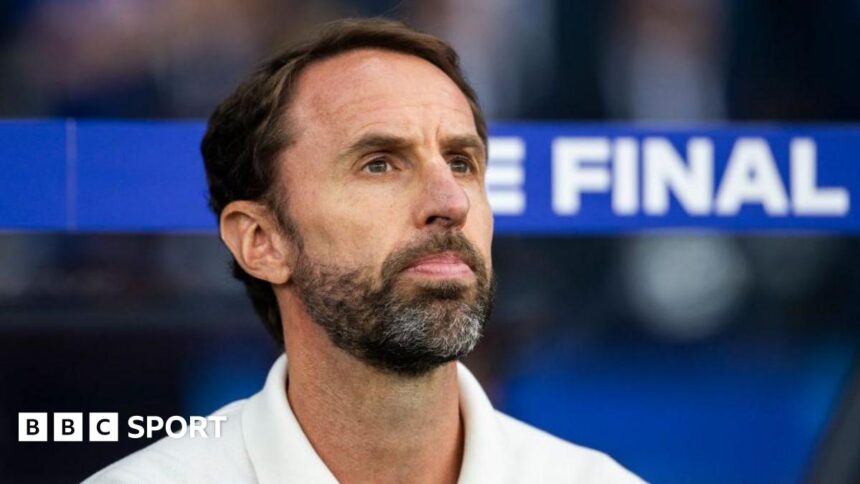
The Erosion of the Dugout Throne: Southgate’s Stark Warning on the Shifting Power in Football
The image is iconic, almost mythological: the football manager, a solitary, trench-coated figure prowling the touchline, his will and tactical genius directly shaping the fortunes of the club. From Sir Alex Ferguson’s hairdryer to Brian Clough’s unshakeable confidence, their authority was absolute. But according to former England boss Sir Gareth Southgate, that archetype is not just fading—it is being systematically dismantled. In a candid assessment of the modern game, Southgate has sounded a warning siren, declaring that the authority of managers is being steadily eroded, creating a pressure-cooker environment where responsibility remains but control is diluted.
The Architect’s Blueprint vs. The Head Coach’s Toolkit
Southgate’s analysis points to a fundamental structural shift within football clubs. The traditional ‘manager’ was a monarch of all they surveyed, overseeing transfers, coaching, contracts, and even the youth academy. Today, the title has often been replaced by ‘head coach’, a telling semantic shift that reflects a new reality. The power once concentrated in one office is now distributed across a modern executive structure.
This evolution is driven by the rise of specialized, powerful roles like football directors, technical directors, and sporting directors. These figures act as intermediaries between ownership and the dugout, handling long-term strategy, recruitment, and data analysis. While Southgate states he has “no issue with this evolution,” recognizing the complexity of multi-billion pound organizations, he highlights the inherent tension it creates.
- The Head Coach: Focuses on daily training, tactical preparation, team selection, and matchday execution. Their influence on squad building is often advisory, not executive.
- The Sporting Director: Oversees the club’s sporting philosophy, leads recruitment in alignment with a data-driven model, and manages contract negotiations, aiming for long-term sustainability beyond any single coach’s tenure.
“The demands of the game are now greater than ever,” Southgate notes, but the tools to meet those demands are often held by others. A head coach may be judged on results from players they didn’t choose, fitting a system they didn’t design, creating a precarious foundation for success.
All of the Pressure, But Less of the Power
The most critical paradox Southgate identifies is the imbalance between accountability and autonomy. The pressure on the individual in the dugout has not diminished with their job description; if anything, the 24/7 news cycle and social media frenzy have amplified it. Yet, their ability to decisively change their circumstances has been reduced.
“Bosses in current day clubs face just as much pressure as ever,” Southgate asserts. When results sour, the head coach remains the most visible and expendable figure to change. The recent upheaval at elite clubs underscores this brutal reality. Real Madrid, Manchester United and Chelsea all parted with their head coaches in a short span, each situation a case study in the modern power dynamic.
At Manchester United, the manager’s role has been visibly redefined within a corporate structure led by a new sporting director. At Chelsea, a vast recruitment department and ownership heavily involved in transfer strategy have marked a clear departure from the manager-centric model of the past. These high-profile changes are not mere coincidence; they are the visible tremors of the seismic shift Southgate describes.
The Data Revolution and the Diminishing “Gut Feel”
Another force eroding traditional managerial authority is the ascendancy of data analytics. Where once a manager’s intuition and eye for a player were paramount, now decisions are increasingly informed by complex algorithms and performance metrics. While this brings valuable objectivity, it can marginalize the experiential knowledge of the coach.
A sporting director, armed with data models that identify undervalued talent or optimal playing styles, can present a head coach with a signing that fits a “club profile,” not necessarily the coach’s specific tactical vision. This can lead to friction and a sense of imposition. The manager’s authority over the dressing room can also be challenged if players perceive that their long-term future is determined more by the boardroom’s data models than the coach’s weekly team sheet.
The successful modern head coach, therefore, must be a diplomat and collaborator as much as a tactician. They must align with a club-wide philosophy, negotiate for their needs within a committee, and sell a collective vision to players—all while knowing their position is the most vulnerable when that collective effort fails.
The Future of Football Leadership: Collaboration or Conflict?
Looking ahead, Southgate’s observations point to two potential trajectories for football management. The first is a continued move toward a continental, corporate model where the head coach is a high-level employee, a specialist in coaching and man-management, seamlessly integrated into a machine built and maintained by others. Success in this model requires flawless alignment between all departments—a rarity in the volatile world of football.
The second, more volatile path is one of continued conflict and short-termism. If the disconnect between those who build the squad and those who pick it is too great, instability becomes inevitable. We may see more instances of clubs seeking a “head coach fit” for a pre-existing squad, rather than building a squad for a visionary manager.
The key to stability will be clubs that master the art of clear, unified leadership. This means sporting directors and head coaches operating as genuine partners with a shared vision, not rivals in a power struggle. Owners must define roles with crystal clarity and hold all parties, not just the coach, accountable for outcomes.
Sir Gareth Southgate has held up a mirror to modern football, reflecting a landscape where the dugout throne has been replaced by a collaborative—but often hotter—seat. The erosion of the manager’s traditional authority is not inherently negative; it is a rational adaptation to the sport’s staggering growth. However, as the firings at Madrid, United, and Chelsea prove, the industry has not yet solved the equation of how to balance distributed power with clear accountability. The greatest teams of the future may not be built by autocratic managers or faceless committees alone, but by organizations that finally learn to harmonize the two, ensuring the person tasked with winning on Saturday has a true say in the tools they are given to do so. The authority may be shared, but the pressure, as Southgate reminds us, remains undiluted and uniquely personal.
Source: Based on news from BBC Sport.