The Marathon Stands Alone: World Athletics Announces Historic Standalone World Marathon Championships from 2030
The marathon, the ultimate test of human endurance and spirit, is poised for its greatest elevation yet. In a landmark move that reshapes the landscape of distance running, World Athletics has unveiled plans to launch a standalone World Marathon Championships beginning in 2030. This seismic shift will see the iconic 26.2-mile race crowned in its own global spotlight, separate from the biennial World Athletics Championships, with the historic city of Athens—the birthplace of the marathon—potentially hosting the inaugural event. This decision, championed by World Athletics President Lord Sebastian Coe, marks a new golden age for the sport’s most storied discipline.
From Tokyo’s Thriller to a Global Stage: The Genesis of a New Era
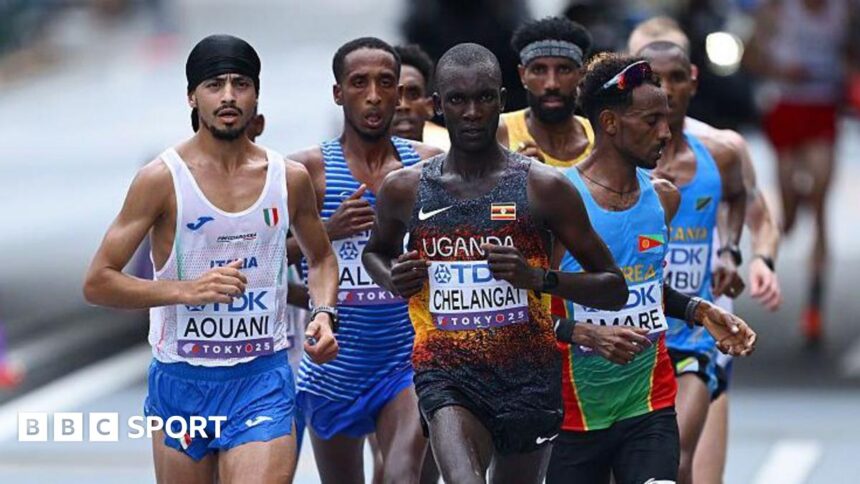
The urgency and prestige of a dedicated marathon world championship were crystallized in a single, breathtaking moment at the 2023 World Athletics Championships in Tokyo. In a finish that will be replayed for generations, Tanzania’s Alphonce Felix Simbu lunged for the line to claim gold by a margin of just three hundredths of a second. That electrifying sprint finish, a dramatic climax after 42 kilometers of grueling effort, underscored the marathon’s unique narrative power. Yet, it also highlighted a challenge: within the sprawling schedule of a larger championship, such monumental moments can sometimes be diluted.
Lord Coe’s vision directly addresses this. “The marathon is an iconic discipline,” he stated, emphasizing the logic behind creating a singular, focused showcase. By extracting the marathon from the multi-event circus, World Athletics aims to amplify its drama, commercial appeal, and global audience. The plan allows the marathon to remain part of the integrated World Championships in 2027 and 2029 before embarking on its solo journey. This phased approach ensures tradition is honored while boldly stepping into a future designed for maximum impact.
Architecture of a Championship: Format, Schedule, and the Athens Proposition
The new World Marathon Championships will operate on an innovative annual cycle, distinct from the existing Road Running Championships which will continue separately. The core structure is designed for focus and fan engagement:
- Annual Event, Alternating Genders: Starting in 2030, the championship will be held every year, with men and women competing in alternate years. This model guarantees annual crowning of a world champion, maintaining consistent buzz and media coverage.
- Historic Inaugural Host: While not yet finalized, Athens in Greece is the leading candidate to host the first edition. The symbolism is profound: starting the new championship on the course from Marathon to Athens would be a powerful homage to the event’s ancient roots, creating an instant classic.
- Dedicated Spotlight: As a standalone event, the marathon will command undivided attention from broadcasters, sponsors, and the global sporting public. Every aspect of the broadcast—from athlete profiles to course analysis—will be centered on the 26.2-mile battle.
- Enhanced Commercial Model: A singular championship allows for tailored sponsorship and hosting models, potentially increasing prize money and investment in the sport, directly benefiting athletes.
Expert Analysis: Why This is a Game-Changer for Marathon Running
This strategic decoupling is more than a calendar tweak; it’s a fundamental revaluation of the marathon’s place in sport. From a logistical standpoint, it liberates host cities. Instead of needing a massive stadium and infrastructure for a full track & field program, cities with legendary urban routes—like Boston, London, or Tokyo—can now bid to host a pure, focused world championship. This opens the door for iconic, city-specific marathon courses to become official world championship stages.
For athletes, the implications are profound. The current system often forces elite marathoners to choose between a late-summer World Championship marathon and a lucrative, fast-paced fall major like Berlin or Chicago. A dedicated championship, ideally placed in the calendar, could reduce this conflict, allowing the best to compete for both glory and time. Furthermore, the alternating gender format means each race is the undisputed main event, ensuring equal prestige and recognition for men’s and women’s champions.
“This is the ultimate validation of the marathon’s commercial and competitive power,” notes a veteran athletics analyst. “It acknowledges that a world championship marathon isn’t just another event; it’s a mega-event in its own right. By giving it this platform, World Athletics is betting—correctly—that the world will tune in for a pure, unadulterated battle over the classic distance.”
Predictions and The Road to 2030
The road to the 2030 inaugural championship will be paved with anticipation and strategic planning. We can expect several key developments:
- A Fierce Bidding War: While Athens is the sentimental favorite, other global capitals will undoubtedly vie for the prestige of hosting a standalone world championship. The hosting model will become a major story in itself.
- Evolution of Athlete Careers: The title of “World Marathon Champion” will attain new, monumental weight. We may see athletes specifically peak for this event in championship years, similar to how track athletes target the Olympics.
- Increased Rivalries and Narratives: With a dedicated global final, season-long circuits or qualification standards could emerge, building narrative arcs and rivalries that captivate fans year-round.
- Broadcast Innovation: Expect unprecedented production investment—more in-race data, enhanced biometric tracking, and cinematic storytelling—to leverage the standalone broadcast window.
The final World Championship marathon within the combined event in 2029 will now carry a poignant significance: the end of one era and the thrilling preamble to the next.
A Fitting Crown for the Ultimate Test
World Athletics’ decision to create a standalone World Marathon Championships is a masterstroke for the modern sports era. It recognizes the unique, primal appeal of the marathon—a contest of strategy, suffering, and supreme will that transcends typical athletic competition. By placing it on a pedestal of its own, starting with a potential homecoming in Athens, the governing body is not just creating a new event; it is sanctifying an ancient one.
From the dust of the original run to the photo-finish drama of Tokyo, the marathon has always told the deepest stories in sport. Now, from 2030 onward, those stories will have a dedicated, global chapter written each year. The marathon, at last, will have a championship worthy of its legend, ensuring that every stride toward the finish line resonates with the weight of history and the promise of undisputed world glory.
Source: Based on news from BBC Sport.