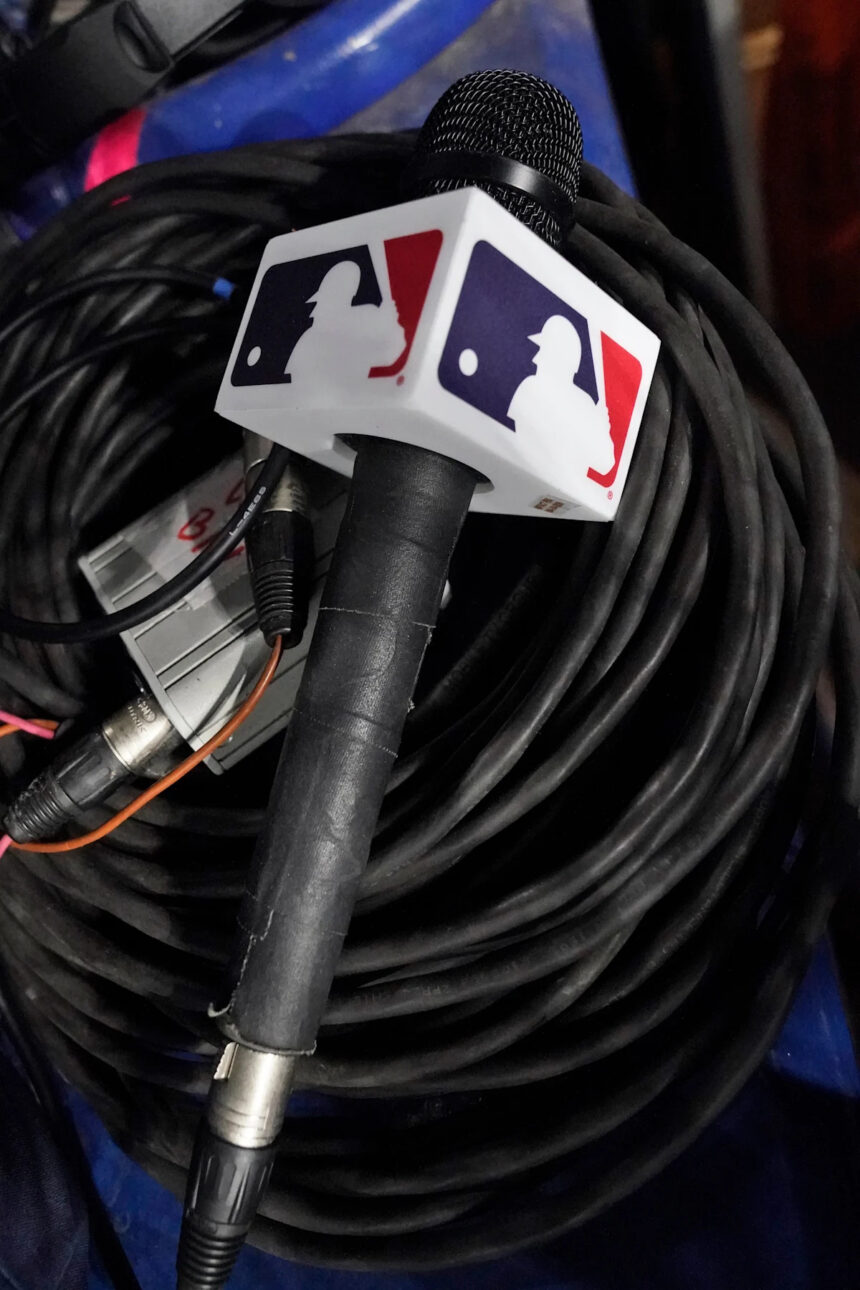
MLB.TV on ESPN: A New Era of Streaming Begins – What Fans Must Know
For over two decades, MLB.TV has been the digital lifeline for baseball fans living outside their favorite team’s market. It transformed the national pastime into a truly national—and international—obsession, allowing a Yankees fan in San Diego or a Cardinals devotee in Seattle to follow every pitch. On Tuesday, the landscape shifted seismically. With ESPN’s formal takeover of the service, fans learned the concrete details of what this new, consolidated media era means for their wallets and their viewing habits. This isn’t just a change in billing; it’s a strategic merger of two sports media titans that signals a fundamental shift in how live sports are packaged and sold.
Decoding the New MLB.TV Pricing Structure
The immediate question for any subscriber is simple: what does this cost me? ESPN’s announcement provided clarity, offering a tiered approach that rewards its existing ecosystem while holding the line for standalone baseball fans. The new pricing model is a masterclass in bundled value, designed to funnel users toward a broader ESPN subscription.
For the dedicated baseball fan, the annual plan remains the cornerstone. However, a critical new bifurcation exists:
- For ESPN+ Subscribers: If you are already an ESPN+ Unlimited plan member, you will receive a slight discount. Your price for the full-season MLB.TV package will be $134.99 for the 2024 season. It’s crucial to note that this price is not locked in forever; your subscription will renew each season at the then-current price, subject to potential increases.
- For Standalone Baseball Fans: If you do not subscribe to ESPN+, you can still purchase MLB.TV at its familiar price point of $149.99 for the season. As a sweetener, this purchase includes a free month of ESPN+ Unlimited, offering a gateway into ESPN’s vast library of other live sports, original programming, and studio shows.
Recognizing the need for flexibility, ESPN has also maintained the monthly option. New subscribers can opt for MLB.TV at $29.99 per month, a valuable choice for those who only follow the sport deeply during the summer months or for a specific playoff push. This option also comes with the same free month of ESPN+ Unlimited.
Beyond the Price Tag: The Strategic Implications of the ESPN-MLB Alliance
This deal is far more than a simple transfer of a streaming service. It is a strategic maneuver with profound implications for the future of sports media. For MLB, it offloads the direct-to-consumer marketing and technological burden to a partner with a massive, established digital infrastructure and a global payment ecosystem. For ESPN, it acquires one of the most stable and dedicated subscription audiences in sports—baseball fans—and seamlessly integrates them into its expanding portfolio.
The bundling is the story. By offering a discount to ESPN+ subscribers and a free trial to others, ESPN is executing a classic “on-ramp” strategy. The goal is clear: convert passionate MLB.TV users into full-time, multi-sport ESPN+ subscribers. Once inside the ecosystem, a fan might discover they enjoy the NHL, UFC, or exclusive college football games, making them less likely to cancel after the World Series. This creates a more stable, year-round revenue stream for The Walt Disney Company.
Furthermore, this integration opens intriguing possibilities for cross-platform content. Could we see MLB.TV feeds integrated directly into the ESPN app with a unified login? Might there be exclusive, alternate broadcasts (like the “KayCast” or “Statcast” views) available only through the ESPN digital platform? The technological and production synergies are significant and point toward a more cohesive, feature-rich viewing experience down the line.
Expert Analysis: Wins, Concerns, and the Evolving Fan Experience
From a media analyst’s perspective, this move is a logical step in the industry’s consolidation. The era of every league operating its own siloed, perfect streaming service is giving way to the power of aggregated bundles. For the fan, there are potential wins and notable concerns.
The Potential Upsides: The primary benefit is simplification. Having fewer standalone sports subscriptions is a relief for the wallet and the password memory. The integration with ESPN could also lead to a better app experience, leveraging ESPN’s significant investment in streaming technology. The inclusion of a free ESPN+ month is a genuine value-add, exposing baseball fans to a wider world of sports content they may grow to appreciate.
The Lingering Concerns: The elephant in the room remains local blackouts. This deal does nothing to solve the archaic territorial restrictions that prevent fans from watching their in-market teams on MLB.TV. This remains the service’s biggest point of friction. Additionally, while the price is stable now, the long-term trend in streaming is upward. The language about renewing at “then-current prices” is a clear signal that future hikes are inevitable. There is also a valid worry about feature dilution—will the beloved, baseball-specific features like multi-game view, home/away radio feeds, and extensive archives be preserved or phased out in favor of a more generic ESPN video player?
Predictions: Where Does Sports Streaming Go From Here?
The ESPN-MLB.TV deal is not an endpoint; it’s a harbinger. We can expect several developments to follow in the coming years:
- Further Bundling: This model will likely be replicated. The NBA, NHL, and MLS will face increasing pressure to partner with major media conglomerates (ESPN, Warner Bros. Discovery, Amazon, Apple) for their out-of-market packages. The standalone league pass could become a rarity.
- The Rise of the “Mega-Sports Bundle”: We are marching toward a future where a single subscription from a company like ESPN, Amazon, or Apple provides access to a curated portfolio of live sports from multiple leagues, all in one place, with a unified interface and billing.
- Pressure on the Blackout Model: As these bundles grow more powerful and consumer-friendly, the public and political pressure on leagues and regional sports networks to eliminate blackouts will intensify. The new, streamlined front-end from ESPN will make the back-end blackout rules seem even more absurd by contrast.
- Enhanced Interactive Features: Leveraging ESPN’s data partnerships (like its ownership of Stats Perform), future iterations of MLB.TV could offer even more advanced betting integrations, predictive stats, and personalized viewing recommendations.
Conclusion: A Calculated Pitch to the Future
ESPN’s takeover of MLB.TV is a calculated fastball down the middle—a move that provides immediate clarity with long-term strategic implications. For the 2024 season, the fan impact is modest: a small discount for ESPN+ loyalists, status quo pricing for traditionalists, and a free trial of a much larger sports world. The value proposition remains strong for the displaced fan craving every out-of-market game.
However, this deal is ultimately about the next decade, not just the next season. It is about embedding America’s oldest major professional sports league into the digital fabric of its most dominant sports media brand. It represents a bet on convenience, consolidation, and the enduring power of the bundle. While questions about blackouts and future pricing linger, one thing is certain: the isolated, direct-to-consumer streaming landscape is fading. In its place is rising a new, interconnected ecosystem where your baseball fandom is just one part of a larger, year-round sports subscription. The pitch has been thrown; now we watch to see how the fans, and the entire industry, will swing.
Source: Based on news from Yahoo Sports.