Mourinho in Final Negotiations to Become Real Boss: The Second Coming of The Special One
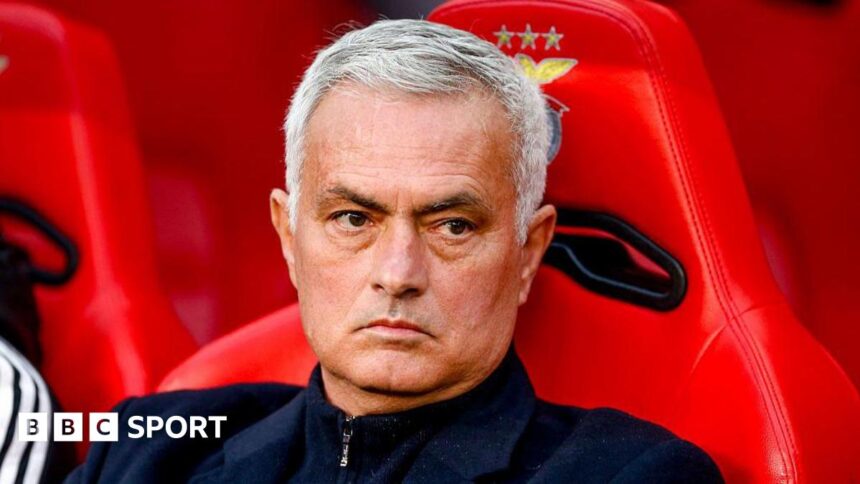
Thirteen years after his last tango in the Spanish capital, the tectonic plates of European football are shifting once again. Jose Mourinho is in the final stages of negotiation to become the next head coach of Real Madrid. The 63-year-old Portuguese manager, currently at Benfica, is the sole candidate on the table, and after weeks of clandestine talks, a deal appears imminent. The football world is holding its breath: is the prodigal son about to return to the Bernabeu?
It is a move that feels both nostalgic and audacious. Mourinho—the man who broke Barcelona’s stranglehold on La Liga, who brought the club its 32nd league title with record-breaking statistics, and who ultimately left in a cloud of dressing-room toxicity—is back in the conversation. And this time, he is not just a name in the hat. He is the only name.
The Context: From Lisbon to Madrid via a Crisis
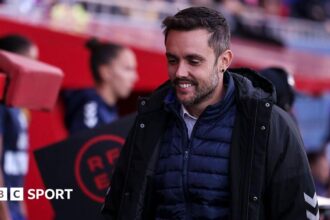
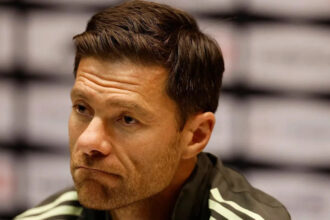
To understand the gravity of this move, you have to look at the current state of affairs at the Estadio Santiago Bernabeu. Current head coach Alvaro Arbeloa—a club legend as a player but a rookie as a manager—only took the reins in January following the shock departure of Xabi Alonso. Arbeloa’s tenure has been a stopgap measure, a bandage on a wound that has been festering since the start of the season. Results have been inconsistent, and the football has lacked the identity that the Madridista faithful demand.
It was two days after Xabi Alonso’s exit that Florentino Perez, the ever-pragmatic Real Madrid president, first reached for his phone. According to sources close to the negotiations, Perez began initial conversations with Mourinho’s representatives almost immediately. The president has always admired the Portuguese coach’s ability to forge a siege mentality, and he sees him as the only figure capable of restoring order to a fractured dressing room.
Meanwhile, Mourinho’s current situation at Benfica is stable but not spectacular. The Eagles sit third in the Primeira Liga table, trailing behind Sporting CP and Porto. While a Champions League qualification spot is within reach, the project in Lisbon lacks the blockbuster allure of Real Madrid. For a manager of Mourinho’s ego and ambition, the pull of the Bernabeu is gravitational.
Why Mourinho? The Strategic Logic Behind the Return
Many will ask: why now? Why Mourinho? The answer lies in the unique psychology of Real Madrid. This is a club that thrives on chaos, pressure, and personality. The last 18 months have been a period of administrative drift. Arbeloa was a sentimental hire, a man who bled white but lacked the tactical ruthlessness to manage the galaxy of stars.
Mourinho offers the exact opposite. He is a proven winner who has won league titles in four different countries and lifted the Champions League with two different clubs. But more than the trophies, it is the mentality he brings. When Mourinho walked through the doors in 2010, he faced a Barcelona team widely considered the greatest of all time. He didn’t just compete; he dismantled them. He won La Liga with a record 100 points and 121 goals. He brought the Copa del Rey. He brought the Supercopa.
The current Real Madrid squad, while talented, lacks that edge. They have stars in Jude Bellingham, Vinicius Jr., and Kylian Mbappe, but they lack a system and a spine. Mourinho is the master of the tactical block, the counter-attack, and the psychological warfare that turns a team of individuals into a band of brothers ready to die for the shirt.
Key reasons why Perez is pushing for Mourinho:
- Immediate Authority: Mourinho commands respect. No player is bigger than him.
- Defensive Solidity: Real Madrid have been leaking goals. Mourinho builds from the back.
- Big Game Pedigree: He is a master of knockout football, essential for Champions League runs.
- Media Control: Mourinho absorbs pressure from the press, shielding his players.
Expert Analysis: What a Mourinho 2.0 Era Looks Like
Let’s be clear: this is not the same Mourinho who left in 2013. That version was paranoid, combative, and burned bridges with Sergio Ramos, Iker Casillas, and the Spanish media core. The 2025 version of Jose Mourinho is older, wiser, and—dare we say—more pragmatic. His recent spells at Roma and Benfica have shown a manager who is less about conflict and more about craft. He won the Europa Conference League with Roma, a triumph of tactical organization over raw talent.
If he takes over at Real Madrid, his first job will be to stabilize the defense. Expect him to demand a physical midfielder—a new Pepe or a new Essien—to sit in front of the back four. He will likely move for a veteran center-back who understands his system. Offensively, he will give the front three freedom but will demand defensive tracking from the wingers. This means Vinicius Jr. and Kylian Mbappe will have to work harder than they ever have.
The biggest question mark is the relationship with the board. Florentino Perez trusts Mourinho, but the coach will demand control over transfers. In his first spell, he had significant influence. In this second spell, he will likely demand even more, given that he is coming in to clean up a mess he did not create.
Another critical factor: the fans. The Bernabeu crowd is notoriously fickle. They love beautiful football, but they love winning more. If Mourinho can deliver a La Liga title and a deep Champions League run in his first season, the pragmatic football will be forgiven. If he fails, the murmurs of “anti-futbol” will return.
The Immediate Challenge: Replacing Arbeloa and Rebuilding Trust
Alvaro Arbeloa is a club icon. He won everything as a player. But as a manager, he was a placeholder. The players respected his legacy but doubted his tactics. Mourinho’s arrival will immediately change the dynamic. The Portuguese coach is known for his intense man-management. He will hug some players and freeze out others. It is his way or the highway.
The transitional period will be brutal. Expect a summer of high-profile exits. Players who do not fit the Mourinho mold—those lacking tactical discipline or physicality—will be shipped out. The locker room will be divided, but that is how Mourinho operates. He creates an “us against the world” mentality to galvanize his core group.
From a tactical standpoint, you can expect Real Madrid to shift to a more compact 4-3-3 or a 4-2-3-1, with a heavy emphasis on the double pivot. The full-backs will be asked to defend first, attack second. The midfield will be asked to disrupt rather than create. It will be a stark contrast to the free-flowing style of Ancelotti or the possession-based approach of Zidane.
Prediction: Will Mourinho Succeed or Fail?
This is the multi-million dollar question. My prediction is nuanced. In the short term—the first 12 to 18 months—Mourinho will succeed. He will bring discipline, a clear identity, and results. Real Madrid will become difficult to beat. They will grind out 1-0 wins in the Champions League knockout stages. They will challenge for the La Liga title, likely finishing second or first.
However, the long-term prognosis is murky. Mourinho’s third seasons are historically catastrophic. The toxicity returns. The players tire of the intensity. The board tires of the drama. If he can avoid that third-season implosion, he could build a dynasty. But history says otherwise.
One thing is certain: the return of Jose Mourinho to Real Madrid guarantees drama, headlines, and silverware. It is a marriage of convenience between a club that loves chaos and a manager who thrives in it.
Conclusion: The Special One Returns
As the final negotiations unfold in the boardrooms of Madrid and Lisbon, the football world watches with bated breath. Jose Mourinho is about to become the Real Madrid boss for a second time, 13 years after he first conquered the Spanish capital. It is a move that defies logic in some ways and makes perfect sense in others. He is the firefighter for a club that is always on fire.
Will it end in glory? Or will it end in tears? If we have learned anything about Mourinho and Real Madrid, it is that the journey will be unforgettable. The Special One is coming home. And the Bernabeu is ready for the storm.
Source: Based on news from BBC Sport.