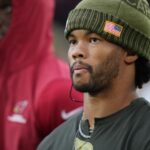
NBA Player Calls Out Atlanta Hawks for Strip Club-Themed Game Night, Sparking League-Wide Debate
The intersection of professional sports promotions and local culture is often a celebratory space, but a planned Atlanta Hawks event has ignited a fiery debate about corporate responsibility and community values. San Antonio Spurs center Luke Kornet is leading a public charge against the Hawks’ upcoming “Magic City Monday,” a game-night promotion celebrating the famed Atlanta strip club. With support from peers like Golden State Warriors veteran Al Horford, Kornet’s petition drive has thrown a spotlight on the delicate balance teams must strike between edgy marketing and family-friendly branding.
A Promotion Too Far? Kornet Draws a Line in the Sand
On the eve of the Atlanta Hawks’ March 16 matchup against the Orlando Magic, the franchise planned to host “Magic City Monday.” The team’s promotion billed the strip club as an “iconic Atlanta institution,” offering themed merchandise and leveraging the venue’s notorious reputation—it’s famously referenced in hip-hop lyrics and known as a player hangout—for game-night buzz. For the Hawks, it was likely seen as a clever nod to a unique slice of Atlanta lore.
However, for Luke Kornet, the promotion crossed a line. The Spurs big man took to social media to voice his disapproval, urging fans to sign a petition demanding the team cancel the event. Kornet’s stance isn’t merely a personal preference; it’s a public moral objection. He frames the issue around the message it sends to young fans and families attending games, arguing that glorifying an adult entertainment venue is incompatible with the environment an NBA franchise should cultivate. His action shifts the conversation from private opinion to public accountability, challenging the team’s decision-making directly.
League-Wide Ripples: Horford’s Endorsement and the Broader NBA Culture
The significance of Kornet’s protest amplified considerably when Golden State Warriors star Al Horford publicly endorsed his stance. Horford, a respected 17-year veteran and former Hawk, carries substantial weight. His support transforms the critique from a solitary voice into a tangible league concern. It signals that discomfort with the promotion exists within the player ranks themselves, a demographic often stereotypically associated with strip club culture.
This incident forces an examination of the NBA’s long and complicated relationship with adult entertainment. While the league has made monumental strides in professionalism and global branding, a subcultural link to strip clubs persists, often romanticized in music and media. Team promotions, however, exist in a different realm than player’s personal lives. By officially sanctioning and marketing a tie-in, the Hawks move the association from the background to the forefront, forcing the organization to own the association wholly. Experts in sports marketing note the considerable risk.
- Brand Dilution: Decades of work building family-oriented, community-centric identities can be undermined by a single controversial promotion.
- Sponsor Alienation: Corporate partners, especially those in family sectors, may recoil from any implied association.
- Fan Division: While some fans may find the promotion humorous or authentically “Atlanta,” others will be offended, creating a no-win scenario.
The Hawks’ Dilemma: Local Flavor vs. Global Image
The Atlanta Hawks organization now faces a multifaceted public relations challenge. Their defense of “Magic City Monday” likely rests on the argument of celebrating a local institution. Magic City is undeniably woven into the city’s social and musical fabric. From a purely marketing perspective, the promotion is guaranteed to generate talk and attention, a currency as valuable as ticket sales in the modern media landscape.
Yet, the counter-argument is powerful. The NBA is a global brand, and each franchise is a standard-bearer. The league markets its stars to children, sells jerseys to families, and partners with global corporations. Corporate responsibility expectations are higher than ever. Teams are encouraged to take stands on social justice issues, invest in their communities, and project inclusive values. A strip club promotion, critics argue, is a stark contradiction to those principles, potentially objectifying women and undermining messages of respect and equality the league also promotes.
The timing is also notably awkward. The NBA has actively worked to increase its appeal to women and younger audiences. Promotions like this can feel like a step backward, alienating the very demographics the league is trying to grow. The Hawks must weigh the short-term buzz against potential long-term damage to their brand reputation.
Predictions and Lasting Implications
The immediate fallout is already clear: the promotion will proceed under a cloud of controversy, ensuring it becomes a national story rather than a local curiosity. Looking ahead, this incident will likely have several concrete outcomes:
- Policy Scrutiny: The NBA league office will almost certainly review guidelines for team-sponsored promotions, potentially creating clearer boundaries to prevent similar situations.
- Player Empowerment: Kornet’s successful mobilization of public opinion demonstrates that players have a powerful voice in off-court matters affecting league culture. We may see more athletes speaking out against team or sponsor actions they deem inappropriate.
- Risk-Averse Marketing: Teams across all major sports will see this as a case study in promotional risk. Expect a pullback from anything that could be deemed sexually suggestive or that glorifies nightlife, in favor of safer, broader community celebrations.
- The “Atlanta” Factor: Other teams in cities with unique but adult-oriented subcultures (e.g., Las Vegas, New Orleans) will need to navigate this minefield with extreme care, finding ways to honor local identity without crossing into controversy.
Conclusion: A Defining Moment for Sports Promotions
Luke Kornet’s petition against the Atlanta Hawks is more than a complaint; it’s a watershed moment. It highlights the evolving expectations placed on sports franchises, which are no longer seen merely as entertainment providers but as community pillars and moral actors. The controversy underscores a growing tension between gritty, localized marketing and the sanitized, global brand the NBA aspires to maintain.
While “Magic City Monday” will come and go, the conversation it sparked will linger. The incident serves as a stark reminder that in the age of social media and athlete activism, every promotional decision is subject to intense scrutiny. The ultimate lesson for the Hawks and the entire league is that the cost of edgy, adult-oriented marketing may far outweigh the benefits, risking alienation of families, sponsors, and even their own players. The final buzzer on this game will sound, but the debate over where the line is drawn for professional sports promotions has only just begun.
Source: Based on news from Yahoo Sports.