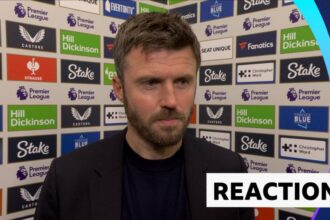
Neville’s Scathing Verdict: Chelsea’s Chaotic Ownership Exposed as Rosenior Axe Falls
The revolving door at Stamford Bridge has spun once more, ejecting another promising coach and, according to one of English football’s most prominent voices, any last vestige of strategic credibility held by Chelsea’s ownership. The abrupt dismissal of Liam Rosenior on Wednesday, a coach widely praised for his progressive methods and connection with the development squad, has ignited a firestorm of criticism. At its epicenter is Gary Neville, whose blistering assessment that the club’s hierarchy “don’t have a clue what they’re doing” has given voice to a swelling tide of fan disillusionment. This isn’t just another managerial change; it’s being framed as the definitive proof of a directionless project, unraveling in real-time.
A Pattern of Purge and Panic: Five Managers in Under Four Years
Since the Todd Boehly-Clearlake Capital consortium completed its takeover in May 2022, the Chelsea landscape has been one of perpetual upheaval. The sacking of Rosenior, who was overseeing the club’s elite development squad, marks the fifth managerial departure in less than four years. This staggering churn extends beyond the first team, seeping into the very foundations of the club’s football operations.
The timeline is a chronicle of instability:
- Thomas Tuchel (Sacked September 2022): The Champions League-winning coach dismissed just months into the new regime, a decision that set a jarring tone.
- Graham Potter (Sacked April 2023): Hailed as a long-term project, his tenure lasted just 31 games amid a chaotic squad overhaul.
- Bruno Saltor & Frank Lampard (Interim spells): Stop-gap appointments that underscored a lack of planning.
- Mauricio Pochettino (Mutually departed May 2024): A respected figure who left after a single season, despite a late rally, citing misalignment.
- Liam Rosenior (Sacked June 2025): The latest casualty, a coach responsible for bridging the academy and first team, shown the door without clear explanation.
This pattern reveals a reactive, trigger-happy culture. As Neville pointedly noted, each decision seems isolated from a coherent football philosophy, creating a club that is impossible to manage and increasingly difficult for fans to recognize or support.
Neville’s Diagnosis: A Hierarchy “Playing Football Manager”
Gary Neville’s critique, delivered on his podcast, cut to the bone of the issue. He didn’t merely question a single decision; he indicted the entire operational model. “They don’t have a clue what they’re doing,” he stated, framing the ownership’s approach as that of amateurs “playing Football Manager.” This resonates because it encapsulates the fanbase’s growing fear: that the club is being run by data-spreadsheets and impulsive whims rather than footballing intelligence and experienced stewardship.
The Rosenior sacking is particularly symbolic. His role was not about immediate first-team results but about cultural continuity, technical development, and pathway creation. By destabilizing this critical layer, the ownership has signaled that no department is safe from their volatility. It suggests a profound disconnect between the boardroom and the training ground. Neville’s analysis implies that this isn’t just poor decision-making; it’s a fundamental lack of understanding of how to build a sustainable, elite football institution. The focus on extravagant, often confounding player acquisitions—a billion-pound spend with questionable returns—combined with managerial merry-go-round, paints a picture of a group trying to buy success but dismantling the very environment required to achieve it.
Fan Disgust and the Erosion of Club Identity
The word “disgusted,” used by Neville to predict the fan reaction, is deliberately strong. It speaks to an emotional betrayal that transcends disappointment. Chelsea supporters have endured transition before, but the current era feels qualitatively different. The club’s identity, once built on a fierce competitive mentality, defensive solidity, and a unique kind of pragmatic glamour, is being eroded.
In its place is a perception of chaotic experimentation. The connection between the academy—a prolific source of talent and pride—and the first team appears frayed. The treatment of club legends and respected professionals has been clumsy. Every abrupt dismissal further alienates a fanbase that craves stability and a clear vision. The anger isn’t just about losing; it’s about losing their way. When a figure like Neville, with his platform and insight, validates these deep-seated fears, it crystallizes a broader narrative of mismanagement that will be incredibly difficult for the ownership to shake.
What Next? Predictions for a Club at a Crossroads
Looking ahead, the path for Chelsea is fraught with risk. The immediate future hinges on their next appointments, both in the dugout and in the boardroom’s football leadership.
- The Managerial Hunt: The pool of elite, willing managers is shrinking. Top candidates will now view the Chelsea job as one of the most perilous in football, with job security seemingly non-existent. The club may be forced to gamble on a less proven name or overpay for a candidate with significant leverage.
- Squad Morale and Cohesion: A constantly changing tactical voice and philosophy stunts player development and team cohesion. The existing, expensively-assembled squad must now adapt to yet another new leader’s ideas, resetting the progress clock once again.
- Competitive Consequences: This instability has a direct cost on the pitch. While rivals like Manchester City, Arsenal, and Liverpool build with long-term strategic clarity, Chelsea is in a perpetual state of rebuild. Closing the gap to the Premier League’s elite becomes a moving target.
- Fan Backlash: The most significant prediction is an escalation of organized fan dissent. Matchday protests, targeted campaigns against the sporting directors, and a toxic atmosphere at Stamford Bridge are real possibilities if the perception of cluelessness persists.
The only way to reverse this trajectory is for the ownership to publicly articulate a clear, patient football philosophy, hire a respected sporting director with full authority, and then—crucially—empower them for the long haul. This means enduring difficult seasons, resisting the sacking impulse, and building from the ground up. Currently, there is little evidence they have the appetite for such a painstaking process.
Conclusion: A Damning Indictment That Demands a Response
Gary Neville’s comments are more than just punditry; they are a stark, high-profile indictment of a project veering dangerously off course. The sacking of Liam Rosenior, following the litany of departures before him, is not a standalone error but a symptom of a deep-rooted malaise. It confirms a pattern of strategic incoherence and impulsive decision-making that has left Chelsea’s present unstable and its future uncertain.
The owners now face their biggest test. They can dismiss Neville’s words as external noise, or they can treat them as the canary in the coal mine—a warning of the profound disillusionment settling over their club. Restoring faith requires more than a new manager or another transfer splurge. It demands humility, a coherent plan, and a demonstrable shift from chaotic reaction to measured, football-led leadership. Without it, the disgust Neville warned of will not only grow but will define their tenure, turning one of England’s most successful modern clubs into a permanent cautionary tale.
Source: Based on news from Sky Sports.
Image: CC licensed via commons.wikimedia.org