Formula 1 2026: The Dawn of a Radical New Era
The air in Melbourne will be thick with more than just anticipation. As the cars line up on the Albert Park grid for the 2026 season opener, Formula 1 will take its most audacious leap into the unknown in a generation. This isn’t a simple tweak to the front wing or a minor engine mode adjustment. The 2026 campaign represents a foundational shift, a complete overhaul of the sport’s DNA engineered to secure its future. From the roar—or perhaps the new whir—of the power units to the very shape of the cars, a new era is here. For teams and drivers, it’s a reset. For fans, it’s a thrilling step into the unpredictable.
The 2026 Rulebook: A “Ridiculously Complex” Revolution
At the heart of this transformation is a set of regulations so comprehensive they’ve been dubbed “ridiculously complex” by insiders. The FIA’s mission is clear: create closer racing, reduce the environmental footprint, and place a greater emphasis on driver skill. The changes are all-encompassing:
- Power Units: The hybrid system gets a seismic shift. The MGU-H (which recovers energy from turbo heat) is gone, simplifying one element. Crucially, the electrical power from the MGU-K nearly triples, to around 470bhp. The internal combustion engine will run on fully sustainable, carbon-neutral fuel.
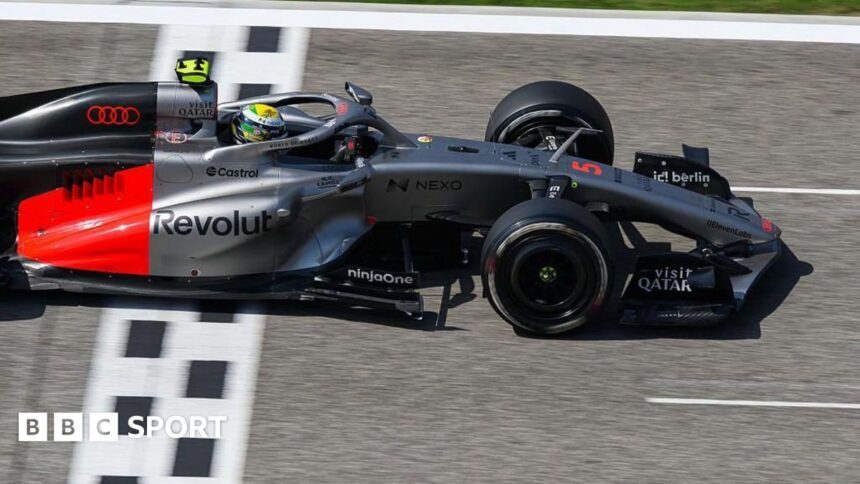
- Chassis & Aerodynamics: Cars will be lighter, narrower, and more agile. Active aerodynamics are the headline act, with movable front and rear wings that adjust automatically on straights for lower drag and in corners for maximum downforce. The goal? Reduce the dreaded “dirty air” and make wheel-to-wheel combat easier.
- Tires & Fuel: Pirelli introduces new 18-inch tires designed for durability and racing. Combined with a 30% reduction in total fuel allowance, this creates a monumental strategic challenge. Drivers will be true energy managers, balancing electrical deployment with fuel conservation in a high-stakes efficiency puzzle.
This complexity is a double-edged sword. It could level the playing field initially, but also risks creating a technological divide as the season progresses and the top teams unlock hidden performance.
On the Grid: New Faces and Bold Innovations
The 2026 grid is a spectacle in itself. The arrival of the 11th team, the Ford-backed Audi works squad, marks the first expansion in years and injects a fresh, manufacturer-heavy rivalry. Their presence alone validates F1’s new technical direction.
In pre-season testing, innovation was already on display. Ferrari’s upside side rear wing, a curious vertical fin that sparked intense debate, was a fleeting glimpse into the aggressive development race. While the team called it a mere test item, its appearance signaled the relentless ingenuity that these new rules will unleash. Expect such radical concepts to proliferate as engineers explore the gray areas of the regulations. The first half of the season will be a live laboratory, with upgrade packages potentially reshuffling the competitive order from race to race.
Predictions: Who Wins in the New World Order?
Predicting a champion in a season of such flux is a fool’s errand, but clear narratives emerge. Teams with the deepest resources and the most synergistic engine-chassis operations, like Red Bull-Ford and Mercedes, have a theoretical advantage in solving this new puzzle. However, their previous dominance is no guarantee. A regulatory reset is the ultimate opportunity for a midfield team to leapfrog the establishment.
The driver championship will test a completely different skillset. The winner may not be the outright fastest qualifier, but the savviest racer—a master of energy and fuel management, who can nurse tires while strategically deploying electrical boosts for overtakes. Veterans like Lewis Hamilton and Max Verstappen will adapt, but could this be the moment for a supremely disciplined tactician like a Lando Norris or Charles Leclerc to shine? Meanwhile, the reduced car size and weight should benefit more aggressive, late-brakers, potentially altering driver hierarchies.
The Fan Experience: What to Watch For in Melbourne and Beyond
For viewers, the changes will be both visual and strategic. The cars will look and sound different—more electrical whine under braking and acceleration. The racing itself promises a new rhythm. Watch for these key moments:
- The Start: With immense electrical power available, launch control and reaction times will be even more critical.
- DRS Zones: How will the new active aerodynamics interact with the traditional DRS? Overtaking could become a complex, multi-layered affair.
- The Final Laps: Drivers chasing a win may be balancing a near-empty fuel tank and a depleted battery. We could see dramatic slowdowns or last-lap passes as energy states diverge.
The unknown is the ultimate selling point. Races could become high-speed economy runs, or the new rules might deliver the pure, unadulterated racing the architects envision. We simply won’t know until the lights go out.
Conclusion: A Necessary Leap into the Unknown
The 2026 Formula 1 season is more than a new set of rules; it’s a statement of intent. By embracing sustainable fuel, greater electrification, and a focus on the race show, F1 is positioning itself for the next two decades. The initial races will be messy, unpredictable, and possibly dominated by reliability concerns. Some teams will get it wrong. Some innovations, like Ferrari’s mysterious wing, may become defining or may vanish entirely.
But within that chaos lies the essence of top-tier motorsport: innovation, adaptation, and human brilliance. This new era asks fundamental questions about what a Formula 1 car should be. The answers will unfold on track, starting in Melbourne. Strap in. The future is not just coming; it’s accelerating towards Turn 1.
Source: Based on news from BBC Sport.