The NFL’s Shifting Sideline: How John Harbaugh’s Exit Reshapes the Coaching Landscape
The National Football League operates on a brutal, unforgiving clock. For players and coaches alike, the acronym NFL often stands for “Not For Long.” Job security is a fleeting concept, measured in wins, losses, and the ever-diminishing patience of owners and fanbases. In this high-stakes environment, a head coach lasting a decade with one franchise is a monumental achievement. This week, that rare fraternity lost a pillar, sending seismic waves through the league’s hierarchy of sideline stalwarts.
The Baltimore Ravens’ decision to part ways with John Harbaugh after 18 seasons wasn’t just another coaching change. It was the end of an era, removing the second-longest tenured active coach from the sidelines. His departure, coupled with other “Black Monday” casualties like Cleveland’s Kevin Stefanski, has abruptly reshuffled the ranks of the NFL’s most enduring leaders. As the dust settles, a new order emerges, highlighting the incredible pressure and prestige that comes with surviving—and thriving—in the league’s most volatile profession.
The End of an Era in Baltimore: Harbaugh’s Legacy and Departure
John Harbaugh’s tenure in Baltimore was a masterclass in sustained excellence. Taking over in 2008, he immediately stamped his authority, leading the Ravens to the AFC Championship game in his first season. His crowning achievement came in the 2012 season, orchestrating a thrilling playoff run that culminated in a Super Bowl XLVII victory. But his legacy extends far beyond one Lombardi Trophy. Harbaugh’s Ravens were perennial contenders, reaching the playoffs in 11 of his 18 seasons, a remarkable feat of consistency in the parity-driven NFL.
His final season encapsulated both the promise and pain of his later years. Developing Lamar Jackson into a two-time MVP, Harbaugh’s innovative offensive schemes revolutionized the team’s identity. Yet, postseason shortcomings—including a heartbreaking AFC Championship loss at home just last season—ultimately fueled the change. The move signals a stark reality: in today’s NFL, even a legendary coach with a Super Bowl ring and a .598 winning percentage is not immune to the “what have you done for me lately?” mandate. His exit leaves a void not only in Baltimore but in the entire league’s fabric, removing a constant, respected voice.
The New Tenure Titans: Who Tops the List Now?
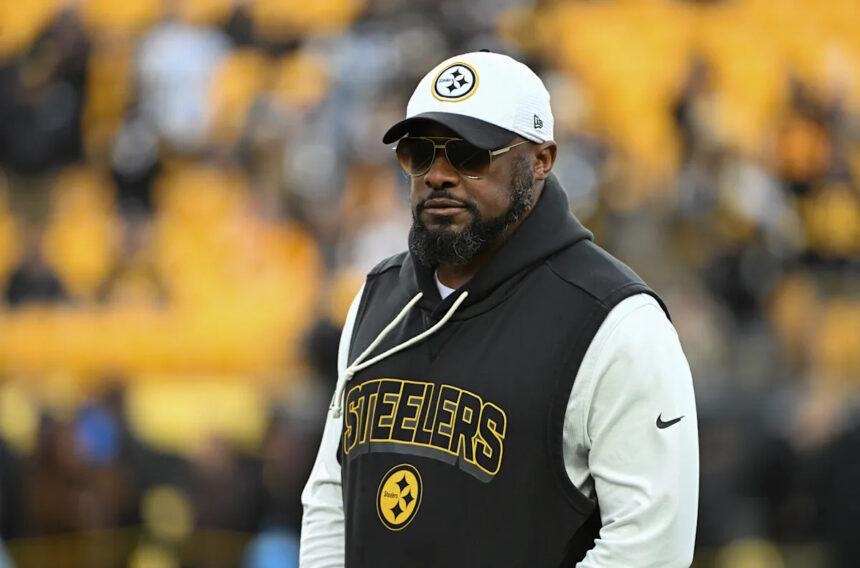
With Harbaugh’s departure, the mantle of the NFL’s senior sideline general passes unequivocally to one man: Mike Tomlin of the Pittsburgh Steelers. Hired in 2007, Tomlin is now entering his 18th season at the helm, boasting a resume that includes a Super Bowl XLIII win, another appearance in the big game, and, most famously, zero losing seasons. This incredible streak of non-losing records is a testament to his ability to rally and adapt, even in years where the Steelers’ roster seemed to lack top-tier talent.
However, Tomlin’s position atop the list comes with its own intensified scrutiny. The 2023 season featured unusually loud calls for change from a segment of the Steelers’ faithful, frustrated by early playoff exits and offensive struggles. His job security, while never truly in doubt from ownership, became a national talking point. This highlights the unique pressure on the longest-tenured coaches; their accomplishments create towering expectations, where simply making the playoffs can sometimes be seen as underachieving.
The reshuffled top of the tenure list now looks like this:
- Mike Tomlin, Pittsburgh Steelers: Hired 2007 (18 seasons)
- Andy Reid, Kansas City Chiefs: Hired 2013 (12 seasons)
- Sean McDermott, Buffalo Bills: Hired 2017 (8 seasons)
- Kyle Shanahan, San Francisco 49ers: Hired 2017 (8 seasons)
- Matt LaFleur, Green Bay Packers: Hired 2019 (6 seasons)
The gap between Tomlin and Reid, now a full six seasons, is staggering. It underscores how rare true longevity has become. Andy Reid, with his two recent Super Bowl titles in Kansas City, has built a modern dynasty that likely grants him a job for as long as he desires. The coaches behind him, like McDermott and Shanahan, have built strong cultures but are already facing their own annual playoff-or-bust ultimatums.
The Formula for Longevity: What Allows Coaches to Survive?
Examining the careers of Tomlin, Reid, and even Harbaugh reveals a common blueprint for surviving the NFL’s relentless churn. First and foremost is consistent playoff contention. Owners can tolerate a down year, but a pattern of irrelevance is a death knell. These coaches keep their teams in the hunt almost every season.
Secondly, and perhaps most critically, is the ability to adapt to franchise quarterbacks. Harbaugh successfully transitioned from Joe Flacco to Lamar Jackson. Reid evolved his offense around Patrick Mahomes. Tomlin has navigated the post-Ben Roethlisberger era. A coach’s philosophy must be flexible enough to maximize a quarterback’s unique talents, or the marriage will end quickly.
Finally, there is the intangible element of organizational culture. The longest-tenured coaches are not just tacticians; they are CEOs of their football team. They establish a clear identity—be it Pittsburgh’s toughness, Baltimore’s resilience, or Kansas City’s innovative explosiveness—that withstands annual roster turnover. They command the locker room and manage the complex personalities within it, earning the unwavering trust of their players and, just as importantly, their ownership.
The Future of the Fraternity: Who is Built to Last?
Looking at the current list, the question becomes: who has the foundation to challenge Tomlin’s eventual tenure record? Andy Reid is the obvious candidate, securely entrenched as the architect of the league’s premier dynasty. Barring an unexpected retirement, he could approach two decades in Kansas City. Beyond him, the path gets murkier.
Kyle Shanahan in San Francisco has built a powerhouse and possesses a visionary offensive mind. His challenge will be converting consistent NFC Championship appearances into Super Bowl victories, the ultimate currency for long-term security. In Buffalo, Sean McDermott has solidified a winning culture but faces immense pressure to get over the championship hump with Josh Allen.
The most fascinating case may be Matt LaFleur in Green Bay. Successfully transitioning from a legend like Aaron Rodgers to the promising Jordan Love in his first year as a starter is the exact type of franchise-altering work that earns decades of goodwill. If Love continues to ascend, LaFleur could be looking at a 15-year run in Titletown.
However, the firing of a coach like Kevin Stefanski—a recent Coach of the Year—after six seasons in Cleveland is a sobering reminder. The league’s appetite for immediate results is only growing. The financial stakes are higher, owner patience is thinner, and the pipeline of “hot” coordinators is endless. The head coach’s seat has never been hotter.
Conclusion: An Ever-Shrinking Circle of Trust
The departure of John Harbaugh is more than a headline; it’s a landmark event that underscores the incredible difficulty of maintaining a head coaching position in the modern NFL. The circle of coaches with true staying power, those who can define a franchise’s identity across multiple eras of players, is shrinking before our eyes. Mike Tomlin now stands alone as the last man standing from a previous coaching generation, a testament to his unparalleled consistency and resilience.
As the league charges forward, the criteria for longevity will only become more demanding. It will require not just winning, but winning at the highest level, and doing so while constantly evolving. The “Not For Long” moniker will continue to define the fate of most. For the select few who can defy it, they earn a legacy that transcends games—they become synonymous with the franchise itself, a rarity as precious as a Super Bowl trophy in today’s NFL.
Source: Based on news from Yahoo Sports.