No Dignity, No Excuse: Odisha’s Wrestler Train Scandal Exposes Systemic Failure
The journey to national sporting glory is supposed to be paved with sacrifice, discipline, and unwavering support. For 18 young wrestlers from Odisha, however, the path to the National School Wrestling Championships was paved with indignity, filth, and biting cold. A viral video, revealing the athletes huddled near the toilets of a train’s general compartment, has sparked national outrage, forcing a reckoning on how India treats its budding sporting talent. This isn’t merely a travel mishap; it’s a stark indictment of administrative apathy and a broken promise to those who represent our future.
A Viral Video That Shamed a Nation
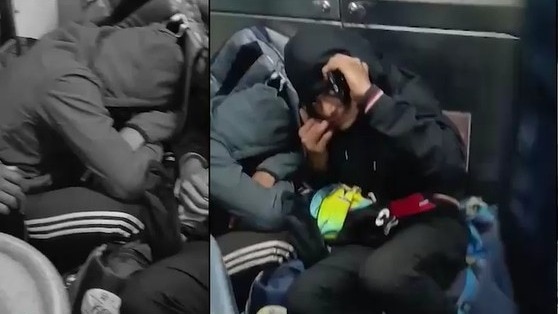
The visuals were as jarring as they were unambiguous. Ten boys and eight girls, young wrestlers carrying the hopes of their state, were crammed into the space beside stinking toilets on a long-distance train to Gorakhpur, Uttar Pradesh. Forced to endure unhygienic conditions, safety hazards, and the winter chill for the duration of their journey, these athletes were stripped of their dignity before they could even step onto the mat. The video, a damning piece of evidence, spread like wildfire across social media, transforming from a travel log into a national symbol of neglect.
The backlash was immediate and fierce. Citizens, sports enthusiasts, and opposition leaders lambasted the state government for this profound failure of duty of care. The ruling party faced severe criticism for the treatment meted out to its own children. As the digital fury grew, it became impossible for the administration to look away. The incident transcended sports, becoming a potent political flashpoint and a question of basic governance.
Minister’s Promise: Swift Action or Damage Control?
Under the intense glare of public scrutiny, Odisha’s Minister for School and Mass Education, Nityananda Gond, was compelled to respond. Speaking to media outlets, Minister Gond promised a swift enquiry and accountability. “We are launching an enquiry into this incident. We need to identify what went wrong and who is accountable,” he stated. While this is a standard bureaucratic response to any crisis, the context makes it deeply insufficient.
Experts in sports administration point out that the failure is multi-layered:
- Logistical Collapse: The booking of confirmed train tickets for a state contingent is a basic, non-negotiable pre-tournament procedure. Its failure suggests either criminal negligence or a severe lack of allocated funds.
- Child Safety Protocol: These were minors travelling for an official school event. The complete disregard for their safety, hygiene, and well-being violates every principle of child protection in sports.
- Systemic Disrespect for Athletes: This incident reflects a deeper, ugly mindset where athletes, especially from non-glamorous sports and less affluent backgrounds, are an afterthought until they win medals.
The minister’s enquiry must answer not just “who,” but “why.” Why was there no contingency plan? Why were children allowed to travel in such conditions? The promise of action now rings hollow against the concrete reality of the suffering already endured.
The Bigger Picture: India’s Broken Sporting Pipeline
The Odisha wrestlers’ ordeal is not an isolated tragedy; it is a symptom of a chronic disease within India’s sporting ecosystem. For every star athlete with corporate sponsorships, there are thousands of anonymous hopefuls battling infrastructural neglect and administrative inertia. This incident exposes the grim underbelly of the “Khelo India” dream.
Grassroots sports development remains plagued by several critical issues:
- Funding Leakage & Bureaucracy: Funds often get stuck in red tape or are misallocated, never reaching the athletes who need them most for travel, diet, and equipment.
- Elitism in Sport: Priority is frequently given to cricket or Olympic-focused sports in later stages, while the foundational school-level athletes across all disciplines are ignored.
- Absence of Professional Management: State associations often lack professional, athlete-centric managers to handle logistics, ensuring such humiliating situations never occur.
Odisha, ironically, has been hailed as a model for sports development in recent years, with world-class facilities for hockey and football. This incident shatters that carefully curated image, revealing that the model is fragile and the commitment to the anonymous, grassroots athlete is superficial.
Predictions and the Path to Redemption
In the immediate aftermath, we can predict a flurry of activity. A junior official or travel coordinator will likely be suspended. The minister’s enquiry will produce a report in a few weeks, citing “communication gaps” and “procedural lapses.” The children might receive a formal apology and perhaps a meet-and-greet with a minister. But will anything fundamentally change?
The true test for the Odisha government and for sports authorities nationwide is systemic reform. Here is what must happen to prevent a repeat:
- Mandatory Travel Charters: Implement a strict, non-negotiable policy for athlete travel, mandating confirmed reservations and safe, hygienic conditions for all official contingents.
- Direct Benefit Transfer for Athletes: Consider putting a portion of travel and allowance funds directly into the accounts of registered athletes or their coaches to bypass corrupt or inefficient middlemen.
- Public Accountability Dashboard: State sports departments should maintain a public dashboard tracking the logistics and expenditure for every participating contingent, bringing transparency to the process.
- Psychological & Dignity Audit: Beyond infrastructure, audits must assess whether systems are protecting the dignity and mental well-being of athletes, treating them as assets, not burdens.
If this incident only leads to a one-time punishment and not a systemic overhaul, we have learned nothing. The next viral video is only a booking away.
Conclusion: A Stain on Sport and Society
The image of young wrestlers, their bodies trained for combat but their spirits broken by neglect, sitting next to a train toilet is a stain on our national conscience. It contradicts every slogan about “Beti Bachao, Beti Padhao” and “Khelo India.” These children were not asking for luxury; they were asking for the bare minimum dignity required to represent their state on a national platform.
Minister Nityananda Gond’s enquiry must be the beginning, not the end. It must catalyze a nationwide introspection on how we nurture talent from the ground up. The true measure of a sporting culture is not just the medals at the top, but the dignity and support afforded to the youngest at the bottom. For Odisha’s wrestlers, their toughest bout wasn’t in Gorakhpur; it was on that train journey, fighting for a respect their own system denied them. It’s a match they should never have had to fight, and one that India must ensure never, ever happens again.
Source: Based on news from India Today Sport.