No Energy, Predictable Play: Guardiola’s Stark Assessment After Derby Defeat
The Manchester derby is rarely a place for nuance. It is a fixture of raw emotion, tribal passion, and seismic consequences. Yet, in the wake of a demoralizing 2-0 defeat at a euphoric Old Trafford, Pep Guardiola offered a diagnosis that was as clinical as it was damning. Pointing not to a controversial refereeing decision, but inward to his own squad, the Manchester City manager identified a worrying lack of vitality and invention. This wasn’t just a loss in the 27th edition of his personal derby saga; it was a performance that laid bare a potential crack in the sky-blue facade, one that Arsenal and others will have watched with intense interest.
A Derby Defined by Intensity, and City’s Lack Thereof
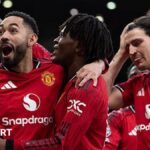
From the first whistle, the narrative was set by Manchester United’s ferocious intent. This was a team unshackled, playing for a new interim boss and a fanbase desperate for a symbol of resistance. In stark contrast, City, in their sixth game in 17 grueling days, looked like a machine running on depleted batteries. The usual symphony of passing was off-key, the relentless pressing was sporadic, and the attacking movements carried a worrying sense of deja vu.
Guardiola’s post-match analysis was brutally honest. “We know what happened: no energy,” he stated. “We didn’t have the energy to compete with them. When this happens, you have to be more predictable.” This admission is monumental from a coach whose philosophy is built on controlled chaos and unpredictable movement. The phrase “predictable” is perhaps the most alarming critique he could level at his own team. United, marshaled superbly by Casemiro and a resurgent back line, seemed to anticipate City’s every probe, comfortably shepherding attacks into cul-de-sacs.
The key moments that decided the game—a brilliant counter-attack finished by Marcus Rashford after a sublime Bruno Fernandes pass, and a late, deflected strike from the irrepressible Jadon Sancho—were born from United’s hunger and City’s lethargy. The home side outfought and, for long periods, outthought the champions.
The VAR Non-Call: A Distraction from the Core Issue
Many in City blue will point to a first-half incident where United’s Diogo Dalot, already on a yellow card, committed a foul that could have warranted a second booking. The VAR check was brief, and the game continued. In the combustive aftermath of a derby defeat, it is the easiest scapegoat. Guardiola, however, refused to take the bait.
By dismissing the incident as a non-factor in the final result, Guardiola performed a masterstroke of deflection. He focused the lens squarely on his team’s performance, ensuring the narrative remained on City’s deficiencies rather than officiating controversy. This sent a clear message to his players: we lost this ourselves. It underscored that the standards at City are so high that external factors are irrelevant when the internal engine fails. This managerial choice highlights several critical points:
- Accountability Over Excuses: Guardiola established a culture of self-critique, refusing to let his squad hide behind a debatable decision.
- Bigger Picture Focus: He knows title races are won by sustaining performance, not by lamenting single moments.
- Psychological Maneuver: It protects his players from media frenzy while applying private pressure to rectify the energy levels.
Title Race Ramifications: A Mountain to Climb?
While United celebrated a new-era bounce, the cold reality of the Premier League table settles in for City. Defeat leaves them clinging to the coattails of an Arsenal side that shows no sign of slowing down. The potential nine-point gap is a chasm by the standards of a Guardiola team. The manager’s reference to a congested schedule is valid, but it is also a warning.
The World Cup mid-season has created a unique, compressed calendar where squad depth and fatigue management are paramount. City’s resources are the envy of world football, but even their bench looked short of game-changing options at Old Trafford. The absence of a traditional, physical number nine was again felt when trying to break down a deep, organized block—a recurring theme in City’s rare off-days.
This loss does more than just drop points; it injects doubt and provides a blueprint for opponents. Press City with intensity, disrupt their rhythm, and exploit the transition. Arsenal, and even a resurgent Newcastle United, will have taken meticulous notes.
Looking Ahead: A Critical Juncture for City’s Season
Pep Guardiola’s greatest strength has always been his reactive coaching. His ability to diagnose problems and engineer solutions is legendary. The “no energy” and “predictable” comments are not just soundbites; they are the starting point for his inquest. Expect immediate changes, both in personnel and perhaps in tactical approach, as City enter a slightly more forgiving period in their schedule.
The challenge now is both physical and psychological. The World Cup hangover has affected players differently, and Guardiola must re-energize a squad that has played at an intense peak for years. The question marks are now undeniable:
- Can they find a consistent goal threat beyond Erling Haaland’s prolific but sometimes isolated contributions?
- Does the midfield, for all its technical brilliance, need a more dynamic, defensive presence in certain games?
- Most crucially, can they rediscover the insatiable hunger that has driven them to four titles in five years?
For Manchester United, this was a glorious day, a statement of potential under Michael Carrick. But for Manchester City, it was a stark wake-up call. In the relentless grind of a Premier League season, even the most well-oiled machines can splutter. Guardiola has identified the fuel leak. His genius will be tested not in how he wins the next game, but in how he reignites the fire that seemed, for one sobering Saturday lunchtime, to have flickered out. The title race is far from over, but the margin for error, after such a lethargic derby display, has evaporated completely.
Source: Based on news from BBC Sport.