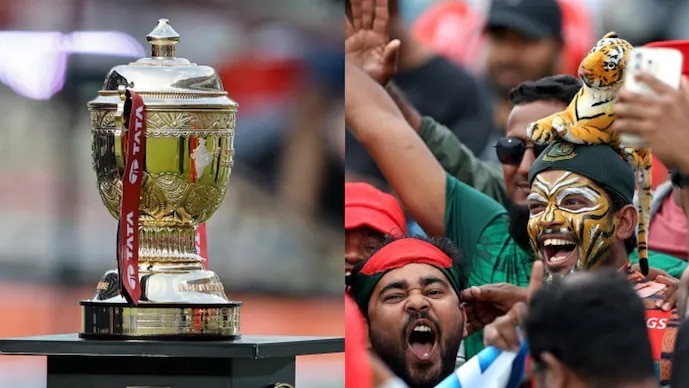
Bangladesh’s IPL Blackout: JioStar Axes Deal, Leaving Millions of Fans in the Dark
The roar of the crowd, the crack of the willow, the electric tension of the final over—for millions of cricket lovers in Bangladesh, these quintessential sounds of the Indian Premier League (IPL) will be replaced by an unsettling silence this season. In a dramatic turn of events that has sent shockwaves through the sporting community, JioStar has terminated its IPL broadcast agreement with Bangladeshi broadcaster TSports, effectively ensuring there will be no official IPL broadcast in Bangladesh for the foreseeable future. This decision, rooted in a commercial dispute over payment defaults, dashes the fragile hopes of fans who had recently dared to dream of the league’s return after a government-imposed ban, casting a long shadow over the cultural and sporting exchange between the two cricket-crazy nations.
- The Collapse of a Deal: Payment Defaults and Immediate Termination
- A Diplomatic Thaw Thwarted: From Ban to Broadcast Hope, and Back to Blackout
- Expert Analysis: The Ripple Effects Beyond the Boundary
- Predictions: What’s Next for IPL Viewing in Bangladesh?
- Conclusion: A Cautionary Tale of Sport, Commerce, and Geopolitics
The Collapse of a Deal: Payment Defaults and Immediate Termination
The saga reached its climax with a terse legal notice. A letter from India’s JioStar to TSports, accessed by Reuters, stated unequivocally: “The agreement stands terminated with immediate effect.” This wasn’t a sudden whim but the culmination of a protracted breach. The core reason cited was TSports’ “continued failure and default in adhering to the payment timelines” as stipulated in their sub-licensing contract. TSports had secured the valuable sublicense for the IPL broadcast rights from 2023 to 2027, a period meant to cover five of the world’s most-watched cricket tournaments. However, their inability to meet financial commitments has now triggered a catastrophic collapse, leaving a massive viewership vacuum just as the season’s excitement begins to build.
This breakdown is more than a simple business disagreement; it’s a failure of a critical pipeline that connects a premier sporting product to one of its most passionate international audiences. The termination highlights the high-stakes, high-risk nature of sports media rights, where default on payments can lead to an instantaneous blackout.
A Diplomatic Thaw Thwarted: From Ban to Broadcast Hope, and Back to Blackout
The timing of JioStar’s withdrawal adds a layer of profound irony and disappointment. For years, the IPL’s presence in Bangladesh had been entangled in the complex web of diplomatic and cricketing tensions with India. A blanket ban on IPL broadcasts had been in place, a move seen by many as a political response to broader bilateral frictions. However, in a significant shift just weeks ago, signals emerged from Bangladesh authorities suggesting a potential reconsideration of the IPL ban. This sparked optimism among the nation’s vast cricket fanbase, who had long relied on unofficial streams and social media clips to follow their favorite stars like Virat Kohli, MS Dhoni, and the emerging Bangladeshi talents participating in the league.
The potential unbanning was seen as a step towards normalizing sports diplomacy. Yet, JioStar’s withdrawal now leaves no pathway for the tournament’s return. The door that was cautiously creaking open has been firmly shut—not by government decree this time, but by corporate action. This sequence of events deals a double blow to fans: first, the deprivation due to political decisions, and now, the crushing of renewed hope due to a commercial fallout.
Expert Analysis: The Ripple Effects Beyond the Boundary
As a sports journalist, the implications of this blackout extend far beyond missed entertainment. The void created will have tangible consequences across multiple spheres:
- Fan Engagement and Cultural Disconnect: The IPL is a cultural phenomenon. For Bangladeshi fans, it’s not just cricket; it’s a shared social experience, a topic of daily conversation, and a window into the highest level of T20 tactics and talent. This blackout severs that connection, potentially pushing fans towards unregulated streaming sites, fragmenting the communal viewing experience, and diminishing overall engagement.
- Commercial and Advertising Losses: The broadcast blackout represents a multi-million dollar hole in the advertising market. Local and international brands targeting the Bangladeshi market during the IPL are now left scrambling. TSports itself faces reputational ruin and massive financial liabilities, while JioStar’s decision, though legally sound, forfeits a substantial revenue stream from a key regional territory.
- Impact on Cricket Development: Young cricketers in Bangladesh have long studied the IPL as a masterclass in high-pressure T20 cricket. The league showcases innovative bowling, fearless batting, and razor-sharp fielding. Losing this easily accessible learning tool could have a subtle but long-term impact on the development of the next generation of Bangladeshi players.
The situation also raises questions about the due diligence in awarding sub-licenses and the need for stronger safeguards in international sports rights agreements to protect end-viewers from becoming collateral damage in corporate disputes.
Predictions: What’s Next for IPL Viewing in Bangladesh?
Looking ahead, the landscape appears bleak for the immediate future but may hold alternative solutions down the line.
- No Last-Minute Rescue for 2026: Given the legal finality of JioStar’s termination and the advanced stage of season preparations, a last-minute broadcast deal for the current IPL season is virtually impossible. Fans must brace for a full season of seeking alternative, often unreliable, viewing methods.
- A New Broadcaster for 2027? The rights for the cycle ending in 2027 are technically still with JioStar. They could, in theory, seek a new, more financially stable Bangladeshi partner for the final year of the cycle. However, the shadow of this default and the political sensitivity of the property may deter immediate takers.
- The Digital Frontier: This crisis may accelerate a shift already in motion. The future could see an official over-the-top (OTT) streaming service, like JioCinema or another global platform, offering direct subscriptions to Bangladeshi fans, bypassing traditional broadcasters altogether. This would require navigating geo-blocking and local payment systems but represents a cleaner, more direct model.
- Diplomatic Channels Re-engaged? The sheer scale of fan disappointment may pressure authorities to actively facilitate a solution, perhaps by encouraging state-owned or other robust broadcasters to engage directly with rights holders for the next cycle, ensuring such a blackout does not recur.
Conclusion: A Cautionary Tale of Sport, Commerce, and Geopolitics
The IPL broadcast blackout in Bangladesh is a stark reminder of how modern sport exists at the volatile intersection of commerce, politics, and public passion. What began as a payment default by TSports has escalated into a national cultural deprivation, thwarting a tentative diplomatic thaw and leaving a nation of cricket lovers in the lurch. It underscores a hard truth: in the high-stakes game of sports media rights, the most loyal fans can often become the ultimate losers when agreements fracture. The road back for the IPL in Bangladesh is now longer and more complicated. It will require not just a new commercial deal, but a rebuilding of trust and perhaps a fundamental rethinking of how the world’s most lucrative cricket league reaches its most devoted neighboring audience. For now, the screens in Bangladesh will remain dark, and the echoes of a missed season will be a cautionary tale for years to come.
Source: Based on news from India Today Sport.