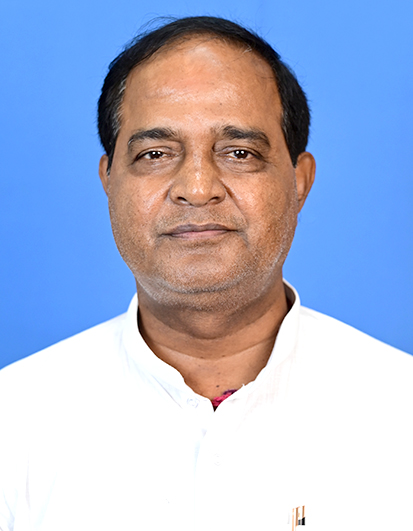
Odisha’s Wrestlers Endure Train Toilet Ordeal: Minister Orders Probe into Shocking Neglect
The journey of an athlete, often romanticized as a path of grit and glory, was recently stripped bare to reveal a shocking reality of neglect and indignity. In an incident that has ignited outrage across India’s sporting community, 18 wrestlers from Odisha were forced to travel for hours in a train compartment perilously close to filthy toilets, their basic dignity compromised. The ensuing public fury has compelled Odisha’s Sports Minister, Nityananda Gond, to order a high-level probe, but the episode raises profound questions about the value we place on those who wear the state’s colors.
A Harrowing Journey: From the Mat to the Muck
According to reports, the wrestlers, including promising talents from state academies, were traveling for a competition. Due to alleged mismanagement and last-minute ticketing, they were allocated seats in a compartment where the stench and unsanitary conditions from nearby toilets made the journey unbearable. This was not a short trip; it was an extended ordeal where athletes, who require peak physical condition and mental focus, were subjected to an environment antithetical to both. The train travel conditions for athletes became a national talking point, with images and descriptions painting a grim picture of neglect. This incident is not merely about uncomfortable travel; it’s a stark symbol of the systemic infrastructure gaps in Indian sports that exist far from the spotlight of international tournaments.
The immediate fallout was swift. As the story gained traction, Minister Nityananda Gond intervened, directing officials to investigate the lapses that led to this situation. “A probe has been ordered to find out how these wrestlers were made to travel in such conditions,” Gond stated, acknowledging the severity of the issue. This probe into wrestlers’ travel ordeal will need to answer critical questions: Who was responsible for the travel logistics? Why were no contingency plans in place? And most importantly, what systemic changes will be implemented to ensure this is never repeated?
Expert Analysis: The Psychological and Physical Toll on Athletes
To understand the full impact of this incident, one must look beyond the obvious discomfort. Sports scientists and psychologists emphasize that an athlete’s environment is integral to their performance and well-being.
- Physical Recovery & Health: Wrestlers operate at an extreme physical level. Travel, especially post-competition or pre-event, is a crucial period for recovery. Subjecting them to unhygienic conditions exposes them to pathogens, increasing the risk of illness that can derail training cycles and competitive schedules.
- Mental Preparedness: The mental toll on athletes in such scenarios is immense. Instead of focusing on strategy or resting, they are battling nausea, stress, and a feeling of profound disrespect. This psychological drain can directly impact confidence and performance on the mat.
- Signal of Value: Such incidents send a demoralizing message to athletes. It implicitly tells them that their comfort, health, and dignity are not a priority. For young wrestlers from humble backgrounds, who often see sports as a ladder of opportunity, this can be devastating to their motivation and sense of self-worth.
This episode starkly contrasts with the vision of a “sports powerhouse” India often aspires to be. Excellence is not cultivated only on the field; it is supported by a holistic ecosystem that includes athlete welfare and dignity in every aspect of their journey.
Systemic Failures and the Road to Accountability
The Odisha wrestlers’ plight is likely not an isolated incident, but a symptom of a broader malaise. It points to a breakdown in the chain of responsibility—from sports associations to travel coordinators to railway authorities. The sports administration accountability is squarely in question. Were funds for proper travel misallocated or insufficient? Was there a blatant disregard for duty by officials tasked with athlete welfare?
Odisha, under its progressive sports policy, has invested heavily in world-class infrastructure like the Birsa Munda Hockey Stadium and high-performance centers. This incident, however, reveals a critical weak link: the mundane but essential logistics of athlete transit. It underscores that policy implementation gaps can nullify the benefits of grand stadiums and generous funding. The probe must lead to tangible disciplinary action and revised Standard Operating Procedures (SOPs) for athlete travel, ensuring:
- Guaranteed confirmed and appropriate travel bookings well in advance of any competition.
- Designated nodal officers in sports departments solely accountable for athlete logistics.
- Emergency protocols and contingency funds to address last-minute travel hiccups.
- Regular audits of athlete travel conditions as part of overall welfare checks.
Predictions and The Path Forward for Indian Sports
The reverberations of this incident will be felt beyond Odisha’s borders. It serves as a cautionary tale for every state sports department in India. We can predict several potential outcomes:
1. Short-Term Scrutiny: Expect immediate, knee-jerk inspections of travel arrangements for other state teams across the country. Sports ministers will likely seek assurances from their departments to avoid similar embarrassment.
2. Potential for Positive Change: This could be the catalyst needed to formalize a national athlete travel protocol. The Ministry of Youth Affairs and Sports, along with the Indian Railways, could collaborate on creating privileged booking channels and dedicated, hygienic spaces for traveling athletes.
3. Athlete Advocacy: Incidents like this empower athlete voices. Prominent sports personalities are likely to speak out more forcefully on welfare issues, pushing for their rightful treatment as assets to the nation, not afterthoughts.
4. Reputational Risk: For Odisha, a state that has meticulously built a reputation as a sports hub, this is a significant setback. The state’s response post-probe will be closely watched to see if it matches its ambitious sporting rhetoric.
Conclusion: Dignity is Non-Negotiable
The image of wrestlers—individuals who embody strength and resilience—being reduced to enduring a journey next to train toilets is a powerful indictment of our sporting system’s priorities. Minister Nityananda Gond’s probe is a necessary first step, but it cannot be the last. True accountability will be measured not by the findings of a single report, but by the permanent systemic reforms it triggers.
Building champions requires more than coaching and equipment. It requires respect. It requires ensuring that the journey to the podium, in every literal and figurative sense, is one that honors the athlete’s effort and humanity. The treatment of the Odisha wrestlers was a failure on this fundamental count. The nation must now ensure that their uncomfortable journey becomes the uncomfortable catalyst that finally drives Indian sports logistics into the 21st century, where athlete dignity is the foundation of every policy, not an optional luxury.
Source: Based on news from India Today Sport.
Image: CC licensed via commons.wikimedia.org