Phillies’ Miss on Bo Bichette: Inside Dave Dombrowski’s ‘Gut Punch’ and the Rivalry It Fueled
The Philadelphia Phillies, under the aggressive stewardship of President of Baseball Operations Dave Dombrowski, are accustomed to getting their man. From Bryce Harper to Trea Turner, the organization has operated with a boldness that reflects its passionate fanbase. This winter, however, the script flipped in the most painful way possible. The club’s very public pursuit of two-time All-Star shortstop Bo Bichette ended not with a celebratory press conference, but with a stunning defection to their most bitter rival. Dombrowski’s candid admission that losing Bichette to the New York Mets was a “gut punch” reveals more than just a missed transaction; it exposes the high-stakes emotional calculus of building a superteam in a cutthroat division.
- The Deal That Got Away: A Seven-Year Offer and a Stunning Pivot
- Dombrowski’s Candid “Gut Punch” and the Art of the Rebound
- The Mets’ Coup: A Strategic Masterstroke with Far-Reaching Implications
- Looking Ahead: Predictions for the Phillies’ Path Forward
- Conclusion: More Than a Missed Signing, a Defining Moment
The Deal That Got Away: A Seven-Year Offer and a Stunning Pivot
According to multiple reports, the Phillies presented Bo Bichette with a massive, long-term commitment: a seven-year contract worth approximately $200 million. This offer was a testament to how highly they valued the dynamic infielder, seen as a potential cornerstone to extend their current championship window. For a moment, it appeared the Phillies’ relentless pursuit would pay off. The framework seemed to be in place, the conversations trending positively. Yet, a formal letter of agreement—a standard precursor to a finalized deal pending a physical—was never signed.
In a shocking twist, Bichette pivoted to the New York Mets, agreeing to a shorter-term, higher average annual value deal: three years and $126 million. The structure offers Bichette immense financial upside and a quicker path back to free agency in his prime. For the Phillies, it was a brutal outcome. Dombrowski clarified the precarious nature of the negotiations, stating, “It wasn’t that we weren’t moving toward that direction… I did think we were going to get a deal done.” This nuance is critical. The front office wasn’t out-negotiated in a traditional sense; they were on the one-yard line, only to see the ball carried the other way for a touchdown.
Dombrowski’s Candid “Gut Punch” and the Art of the Rebound
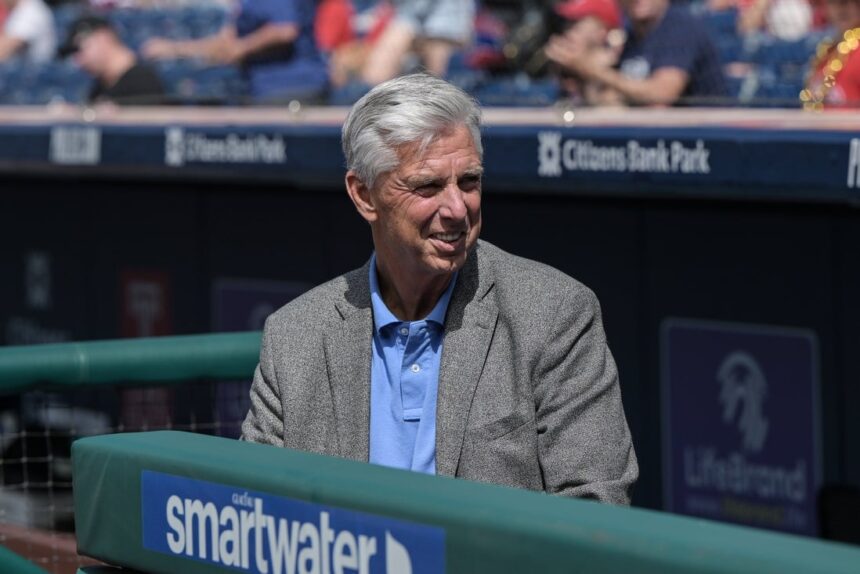
In an era of carefully crafted PR statements, Dave Dombrowski’s raw honesty was jarring. “It’s a gut punch,” he said Tuesday. “You feel it. That day you are very upset, I guess is the way to say it.” This language is rarely heard from an executive of his stature. It underscores the personal investment and strategic weight placed on acquiring a player of Bichette’s caliber. The miss wasn’t just a line item on an offseason checklist; it was a blow to the franchise’s immediate and long-term vision.
Yet, Dombrowski’s next comments revealed the mindset that has made him a Hall of Fame executive: “You have to pick yourself up and shake it off. You can’t just wallow in what took place.” This is the essential duality of the job—allowing yourself to feel the sting of a significant loss, then compartmentalizing it to address the roster needs that remain. The Phillies, still a juggernaut with a core of Harper, Wheeler, Realmuto, and Turner, cannot afford to let one transaction, however significant, derail their momentum. The focus must immediately shift to contingency plans, whether that means bolstering the bullpen, adding rotation depth, or seeking offensive upgrades through other avenues.
Immediate Ripple Effects for the Phillies’ Roster
Missing on Bichette has direct and immediate consequences for the Phillies’ infield configuration:
- Shortstop Stability: Trea Turner remains the entrenched starter, but the pursuit of Bichette signals the team’s desire for elite, long-term infield security. This could reignite speculation about Turner’s eventual defensive home.
- Third Base Future: Alec Bohm, coming off a breakout year, is now even more vital. The Bichette play suggested the Phillies were at least considering high-end options to potentially shift Bohm across the diamond or solidify the hot corner for the next decade.
- Lineup Construction: Bichette’s right-handed power bat would have provided a formidable counterbalance to the team’s lefty-heavy middle of the order, a strategic advantage they now must seek elsewhere.
The Mets’ Coup: A Strategic Masterstroke with Far-Reaching Implications
The New York Mets didn’t just sign a great player; they executed a strategic heist with multiple layers of benefit. By landing Bo Bichette, they achieved several goals in one move. First, they added a bona fide superstar in his prime to a lineup already featuring Francisco Lindor and Pete Alonso. Second, the short-term nature of the deal aligns with President of Baseball Operations David Stearns’s flexible, opportunistic team-building approach. Most crucially, they stole a primary target from their arch-rival, simultaneously strengthening themselves while denying a key piece to the Phillies.
This move intensifies the NL East rivalry to a fever pitch. The division, already housing the World Series-hopeful Atlanta Braves, now has another powerhouse in Queens reloading for immediate contention. The Mets have sent a clear message: they are not merely rebuilding; they are retooling to compete directly with Philadelphia and Atlanta right now. Every Bichette home run against the Phillies will be a visceral reminder of the “gut punch” Dombrowski described.
Looking Ahead: Predictions for the Phillies’ Path Forward
The fallout from this episode will define the Phillies’ offseason and potentially their 2024 campaign. Dombrowski’s history suggests he will not sit still. Expect the Phillies to be aggressively involved in the remaining free agent and trade markets, possibly with a renewed focus on pitching. Names like Blake Snell or Jordan Montgomery could become even more attractive targets as the team looks to reallocate resources. Furthermore, this public miss could make them more determined in trade discussions for other impact bats, perhaps increasing their willingness to deal from their prospect capital.
The psychological impact cannot be ignored. This front office, which has operated with swagger, has been publicly stung. How they respond will be telling. Will it galvanize the clubhouse, creating an “us against the world” mentality? Or will it leave a lingering void in the lineup that becomes apparent in key moments? The pressure is now on the existing core to perform and on Dombrowski to find an alternative path to roster improvement.
Conclusion: More Than a Missed Signing, a Defining Moment
Dave Dombrowski’s “gut punch” is more than a colorful quote; it is a window into the high-risk, high-reward world of championship team building. The Phillies’ failure to secure Bo Bichette, particularly on the terms they offered, is a significant setback in their cold war with the New York Mets. It has altered the landscape of the National League East and forced a sudden, painful pivot in Philadelphia.
The true legacy of this moment, however, will be determined by what comes next. Dombrowski’s career is built on resilience and bold action. The sting of losing Bichette will either become a footnote in another successful Phillies season or the first crack in a missed opportunity. In the cauldron of Philadelphia sports, where expectations are a World Series or bust, this “gut punch” will be remembered not for the pain it caused, but for the response it provoked. The 2024 season, and the renewed Phillies-Mets rivalry, just gained a powerful new narrative.
Source: Based on news from Deadspin.