Pistons’ Historic 30-Game Start Signals Return to NBA Relevance
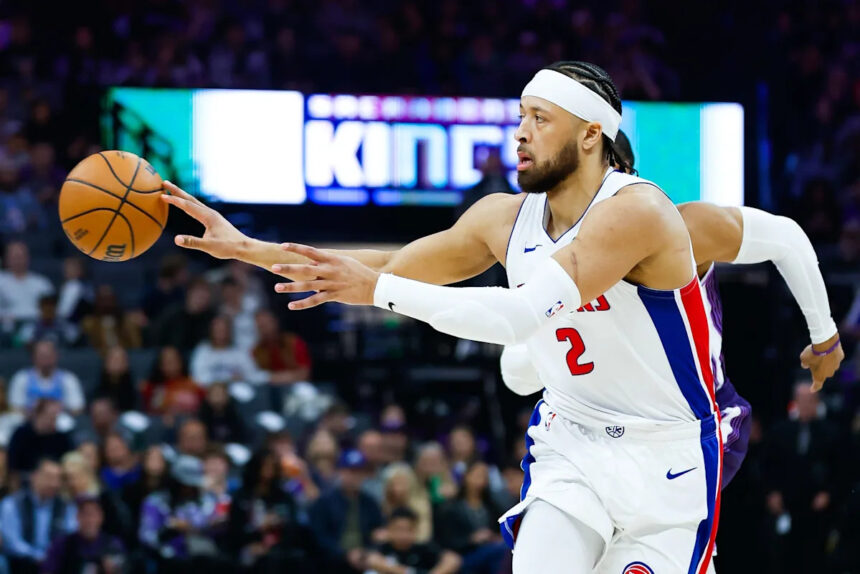
The roar inside the Golden 1 Center had dwindled to a nervous murmur. With just over a minute remaining and the Detroit Pistons’ once-commanding lead whittled down to single digits, a familiar, haunting script seemed poised to replay. But these are not the Pistons of recent vintage. In a statement performance that blended offensive firepower with resilient closing, Detroit weathered a furious Sacramento comeback to secure a 136-127 road victory. More importantly, the win propelled them to a 24-6 record, marking their best 30-game start in two decades and announcing to the league that the Motor City is back on the NBA map.
A Symphony of Stars: Detroit’s Offensive Engine Firing on All Cylinders
While the late-game tension provided drama, the story of this win was written in the first three quarters by a Detroit offense operating with breathtaking synergy. The Pistons dissected the Kings’ defense with a combination of surgical pick-and-roll play, unselfish ball movement, and explosive transition bursts. This wasn’t a one-man show; it was a comprehensive demonstration of a team that has fully bought into Head Coach Monty Williams’ system.
The box score tells the tale of a balanced, potent attack:
- Cade Cunningham orchestrated the chaos with a maestro’s touch, posting 23 points and a season-high 14 assists. Despite a concerning nine turnovers, his command of the floor and ability to penetrate created opportunities for everyone.
- Jalen Duren was an unstoppable force in the paint, compiling 23 points and 13 rebounds. His physicality and soft hands around the rim provided a reliable safety valve and crushed Sacramento’s interior defense.
- The veteran presence of Tobias Harris shone through with a team-high 24 points, offering crucial scoring stability when the offense needed a bucket.
- The supporting cast was stellar, with Ausar Thompson (19 points) providing electric athleticism and Isaiah Stewart (16 points) stretching the floor with his evolving shot.
This collective effort, leading by as many as 21 points in the fourth quarter, showcased a depth and versatility that has become Detroit’s trademark this season.
Navigating Adversity: The Late-Game Test and Injury Concerns
True contenders are defined not by how they build leads, but by how they withstand the inevitable counter-punch. The Kings, led by the relentless DeMar DeRozan (37 points) and the volatile energy of Russell Westbrook (27 points), launched a predictable and potent 10-2 run in the final period. The lead, once a comfortable 121-100, shrunk to 129-120 with just over three minutes to play.
For a young team with a history of late-game collapses, this was the moment of truth. The Pistons’ response was telling. Instead of panic, there was poise. They continued to execute their sets, attacked the rim, and, most importantly, got stops when they needed them. The clinching plays came from the foul line, where the rookie Thompson calmly sank two free throws with under a minute left to push the lead back to an insurmountable ten points.
However, the victory was not without a shadow. The team missed second-year forward Ron Holland for the second consecutive game due to a left knee sprain. Holland’s defensive versatility and cutting have been key components of the Pistons’ second unit. His absence is a reminder of the fragility of an NBA season and a test of the roster’s resilience moving forward.
Historical Context and the Path Forward
A 24-6 start is not just a hot streak; it’s a historical marker. To find a Pistons team with a better record through 30 games, you must look back to the 2003-04 season—a year that ended with a shocking triumph over a super-team Lakers squad and an NBA championship. The parallels, while premature, are tantalizing. That team was built on defense, toughness, and collective will over individual superstar brilliance. This iteration shares that DNA, albeit with a more modern, offensive-focused flair.
The question now shifts from “Are they for real?” to “How far can they go?” The early-season evidence suggests this is a legitimate force in the Eastern Conference. Their strengths are multifaceted:
- Elite Two-Way Backcourt: Cunningham has ascended to All-Star level, and his backcourt pairing provides relentless defensive pressure.
- Dominant Interior Presence: Duren has emerged as one of the league’s most promising young centers, controlling the glass and protecting the rim.
- Veteran Leadership: The additions of Harris and other seasoned players have provided the perfect steadying influence for the young core.
The road ahead will present tougher challenges. The schedule will intensify, the league will adjust with more focused scouting reports, and the grind of the season will test their health and stamina. Cunningham’s turnover issue, highlighted by his nine against Sacramento, is an area that demands tightening against elite defensive teams.
Conclusion: A New Era Dawns in Detroit
The final buzzer in Sacramento signaled more than just another December win. It was a confirmation. The Detroit Pistons are no longer a team of the future; they are a powerhouse of the present. Their victory over the Kings, resilient and resourceful, encapsulated their season: explosive, deep, and mentally tough enough to close.
While it is wise to temper championship talk in December, ignoring the seismic shift in Detroit is impossible. The culture has changed. The expectations have skyrocketed. For the first time in a generation, the Pistons are playing with a swagger that resonates with their city’s blue-collar identity. They have built a 20-year-best start not on luck, but on a foundation of talent, system, and grit. The league has been put on notice: the Pistons are back, and they are here to contend.
Source: Based on news from Yahoo Sports.