Paul Pogba’s Surprising Pivot: From Premier League Stardom to the Sands of Saudi Camel Racing
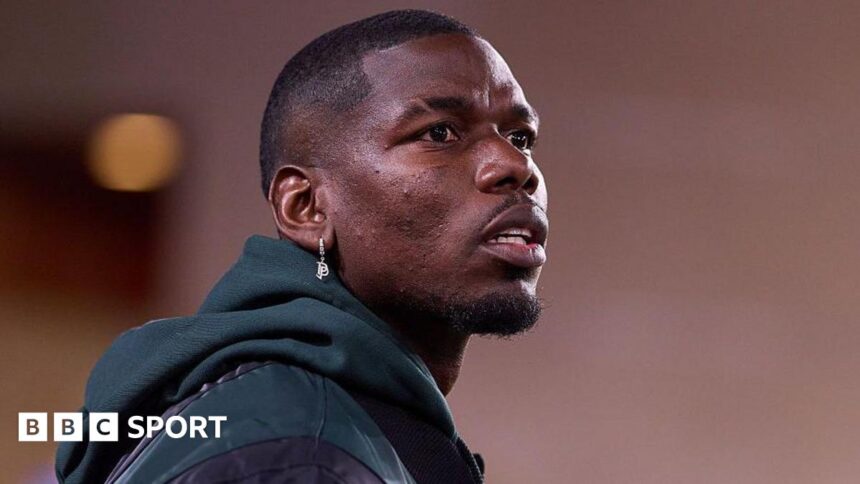
The world of football is accustomed to Paul Pogba making headlines. The mercurial midfielder, known for his dazzling skills, World Cup triumph with France, and record-breaking transfer fees, has always charted his own course. Yet, his latest venture has left even his most ardent followers doing a double-take. Far from the manicured pitches of Europe, Pogba is now making waves in the golden dunes of the Arabian Peninsula, not with a ball at his feet, but as a key investor and ambassador for a professional camel racing team. In a move that blends cultural curiosity with sporting ambition, Pogba is diving headfirst into a tradition steeped in Bedouin heritage, signaling a fascinating new chapter in his life both on and off the field.
Beyond the Pitch: Pogba’s Strategic Foray into Al Haboob
While Paul Pogba recently signed a two-year deal to reignite his club career with AS Monaco, his vision extends far beyond the confines of the Stade Louis II. His investment in Al Haboob Camel Racing Team is not a whimsical celebrity endorsement. It is a calculated entry into a sport experiencing rapid modernization and growing international appeal. Al Haboob bills itself as the world’s first fully professional camel racing team, competing across the United Arab Emirates and the Gulf. For Pogba, this represents a unique opportunity at the intersection of sport, culture, and business.
In his statement to BBC Sport, Pogba revealed a surprisingly studious approach. “I’ve watched my fair share of [camel] races on YouTube and spent time doing research in my spare time trying to understand the techniques and strategies,” he said. This dedication to understanding the craft underscores that his involvement is substantive. He isn’t merely attaching his name to a novelty; he is positioning himself as a stakeholder in the sport’s future, leveraging his global fame to shine a spotlight on camel racing’s competitive rigor.
His role as both shareholder and ambassador is multifaceted. He will provide capital and, more importantly, a global marketing megaphone. His involvement brings instant credibility and curiosity from a worldwide audience that may have never considered camel racing as a serious, professional pursuit. This synergy is powerful: Al Haboob gains an icon of world sport, while Pogba aligns himself with a deeply rooted tradition that is embracing the future.
The Heart of the Sport: Dedication in the Dunes
To the uninitiated, camel racing might conjure images of a quaint cultural spectacle. Pogba, however, was quick to identify the core athletic principles that resonate with any elite competitor. His analysis cuts to the heart of what makes any sport compelling. “And what stood out to me is how much dedication it takes from everyone involved,” Pogba noted. “At the end of the day, sport is sport. It demands heart, sacrifice and teamwork.”
This perspective reframes the conversation. Modern camel racing is a high-stakes endeavor involving:
- Elite Animal Athletes: Camels are bred and trained with the same intensity as thoroughbred racehorses, with careful attention to genetics, diet, and physiology.
- High-Tech Training: Teams use GPS monitoring, specialized veterinary science, and tailored fitness regimens to optimize performance.
- Skilled Jockeys and Logistics: A vast support team of trainers, handlers, and strategists works behind the scenes, with robotic jockeys now commonly used for welfare and precision.
Pogba’s recognition of these parallels is astute. He sees not just animals running, but a cohesive sporting unit striving for excellence—a language he has spoken fluently throughout his career at clubs like Juventus and Manchester United. His endorsement validates camel racing as a domain of serious sporting dedication and teamwork, worthy of the same respect as any global sport.
Analysis: A Calculated Move in a Region Embracing Sport
Expert observers see Pogba’s investment as a strategically timed move, aligning with broader geopolitical and sporting trends. Saudi Arabia, along with its Gulf neighbors, has become an epicenter of global sports investment, from football and golf to Formula 1 and boxing. Pogba’s entry into camel racing, a sport of profound cultural significance, shows a nuanced understanding of this landscape.
This is more than an athlete diversifying his portfolio. It is a symbolic bridge between cultures. For the Gulf region, attracting a figure of Pogba’s stature to a traditional sport is a powerful endorsement of Vision 2030-style initiatives that aim to modernize heritage activities for a global audience. For Pogba, it represents an authentic engagement with a new culture, potentially opening doors to further opportunities in a region that is aggressively expanding its sporting influence.
Furthermore, from a personal brand perspective, this move allows Pogba to cultivate an identity as a global sports visionary, not just a footballer. It speaks to intellectual curiosity, business acumen, and a willingness to embrace traditions outside his own. At 32, while still committed to Monaco, he is clearly planning for a future where his impact on sport is measured in boardrooms and cultural exchanges as much as on the pitch.
Predictions: What This Means for Camel Racing and Pogba’s Legacy
The ripple effects of Pogba’s involvement with Al Haboob are likely to be significant. We can anticipate several key developments in the coming years:
- Global Spotlight: Expect increased international media coverage of major camel racing events. Pogba’s presence at a race will draw cameras and headlines that the sport has rarely received outside the region.
- Commercial Boom: Sponsorship and commercial interest in top teams will surge. Global brands may see camel racing as a novel way to reach Middle Eastern audiences and associate with Pogba’s image.
- Youth and Digital Engagement: Al Haboob, with Pogba’s input, will likely launch sophisticated digital content and social media campaigns, making the sport accessible and exciting to a younger, global generation.
- Cross-Sport Pollination: Could we see training techniques from football applied to camel conditioning? Or promotional events that blend football clinics with camel racing exhibitions? The potential for innovative crossover is vast.
For Pogba, this venture is a cornerstone in building a lasting legacy. If successful, he will be remembered not only as a World Cup winner but as a pivotal figure who helped steer a traditional sport onto the world stage. It reframes his narrative from one solely focused on footballing highs and lows to one of a broader sports ambassador.
Conclusion: A New Kind of Sporting Visionary
Paul Pogba’s investment in Saudi Arabia’s Al Haboob camel racing team is a testament to the evolving nature of sports stardom in the 21st century. It is a move that defies easy categorization, blending respect for deep-rooted tradition with a forward-thinking business mindset. By highlighting the universal themes of heart, sacrifice, and teamwork, Pogba has identified the common thread that binds all athletic pursuit, whether on grass or sand.
As he continues his journey with Monaco, his parallel path in the desert will be watched with keen interest. This is not a retirement hobby but a serious venture that signals where the currents of global sport are flowing. Paul Pogba, the footballer, has always been a box-office attraction. Now, Paul Pogba, the sporting pioneer, is writing a compelling new script—one that promises to bring the thunderous excitement of camel racing from the Gulf deserts to the world. In doing so, he is redefining what it means to be a sports icon in a connected world.
Source: Based on news from BBC Sport.