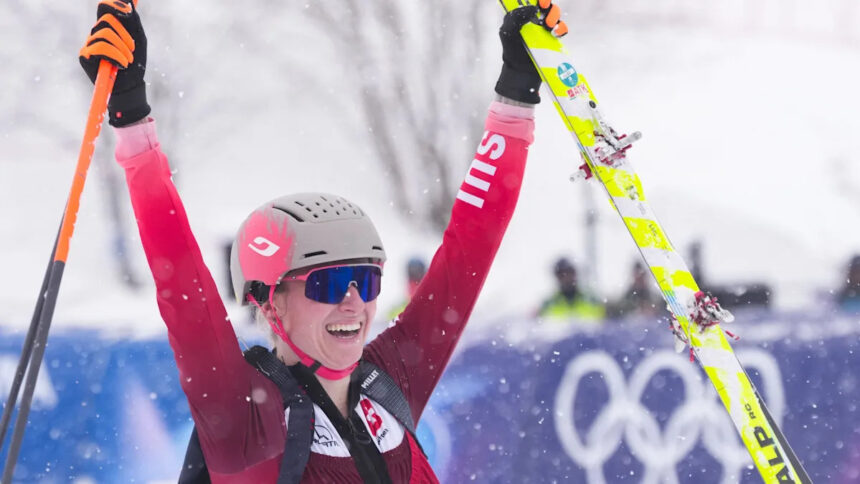
Rapid Runs & Blizzard Battles: Skimo’s Electrifying Olympic Debut in Bormio
The air was thin, the snow was horizontal, and history was being carved into the steep slopes of Bormio. On a day when the mountains unleashed a full-throated roar, a new breed of winter athlete answered the call. Ski mountaineering—‘skimo’ to its fervent disciples—burst onto the Olympic stage not with a whisper, but with a lung-searing, heart-pounding scream. In a blizzard that would shutter most resorts, the world’s best proved why their sport, a brutal ballet of uphill grit and downhill grace, belongs in the pantheon of Olympic glory.
A Deforged in a Blizzard: Bormio Sets the Stage
If the Olympic gods wanted to design the ultimate test for ski mountaineers, they succeeded spectacularly. The debut in Bormio was contested in near-whiteout conditions, with heavy snowfall and gusting winds transforming the course into a primal proving ground. This was not a sanitized, predictable arena; it was the raw, unfiltered essence of the mountains. For a sport born on unpredictable alpine faces, the conditions were paradoxically perfect. It separated the technicians from the true tacticians, those who could manage their energy, their equipment, and their mind amidst the chaos.
The sprint format is skimo’s most explosive and spectator-friendly discipline. A condensed, high-octane version of the sport, it demands a unique and punishing blend of skills:
- Rapid uphill sprinting with skis on using adhesive ‘skins’ for grip.
- A transition to lung-busting runs up steps with boots on, skis carried on a pack.
- A final, frantic transition back to skis for a downhill ski race to the finish line.
It’s a sport where seconds are won or lost in clumsy boot changes and where a world-class climber must also be a fearless descender. The Bormio blizzard added another layer: near-zero visibility on the downhill, turning the final sprint into a act of faith and courage.
Golden Moments in the Snow: Fatton’s Magic and Harrop’s Silver Lining
From the swirling snow, champions emerged. In the women’s event, Switzerland’s Marianne Fatton cemented her dominance. Adding Olympic gold to her existing world title, Fatton mastered the mayhem. Her race was a masterpiece of pacing and precision under pressure. “It’s a magical day,” she gasped post-race, the historic weight of the moment dawning on her. “It’s history for our sport, and for us as athletes, and it’s wonderful.”
Perhaps the most compelling story of the podium, however, was that of silver medalist Emily Harrop of France. Harrop, born in Scotland to a British father and French mother, possessed the unique eligibility to have competed for Team GB. Her choice to race for France delivered them a medal, but her performance highlighted the global and complex nature of athletic identity. Her podium finish, achieved in such a historic race, will undoubtedly resonate across both nations and stir conversations about her potential future Olympic path.
The emotional release was palpable. Fatton’s reflection captured the universal feeling of Olympic achievement: “I was like, ‘did I really do it?’ It was amazing, and I was totally exhausted after the race.” This raw exhaustion—the kind that comes from leaving absolutely everything on the mountain—is the true currency of skimo.
Expert Analysis: Why Skimo is the Perfect Olympic Addition
As a sport, ski mountaineering brings something profoundly authentic to the Winter Games. It is a direct link to the mountain cultures that host the Olympics and a celebration of self-reliance, endurance, and technical versatility. Unlike many alpine events, skimo is not solely about the descent; it’s about the entire mountain journey. The Olympic debut successfully showcased its unique appeal:
- Dynamic Spectacle: The sprint format is fast, with constant positional changes and dramatic transitions.
- Human Drama: The visible struggle, the battle against terrain and elements, is incredibly relatable and compelling.
- Technical Intrigue: The ‘pit stop’ style transitions add a layer of strategy and potential for game-changing errors.
- Youth Appeal: Its intensity and similarity to obstacle-course racing resonate with a new generation of viewers.
The Bormio blizzard, rather than hindering the spectacle, amplified these elements. It was the ultimate reminder that these athletes are not just skiers; they are mountaineers, contending with the mountain on its own terms.
The Future of Skimo: Predictions for the Olympic Trajectory
With a debut this successful, the future of skimo at the Olympics appears dazzlingly bright. The sport’s inclusion is no longer a novelty; it’s a necessity. Looking ahead, we can predict several key developments.
First, national investment will skyrocket. Countries that missed the podium in Bormio will now pour resources into developing skimo programs, mining their pools of cross-country, alpine, and endurance athletes. The medal table for this sport will diversify rapidly by 2026.
Second, the broader discipline slate will captivate. While the sprint was the perfect introductory format, future Games will likely feature the team event and perhaps the individual race. These longer, more strategic battles will showcase a different, more grueling aspect of the sport, deepening its Olympic narrative.
Finally, skimo will become a fan favorite. Its easy-to-understand premise (go from the bottom to the top and back down, as fast as possible) and incredible physical drama position it for breakout popularity. It is the Winter Olympics’ answer to the triathlon—a multifaceted test that inspires awe.
Conclusion: More Than a Race, a Legacy Forged
The blizzard has cleared over Bormio, leaving behind more than just fresh powder. It has left an indelible Olympic legacy. The debut of ski mountaineering was a triumphant validation for a global community of athletes who have long trained in the shadows of the high Alps. Marianne Fatton, Emily Harrop, and all the pioneers who raced through the storm have done more than win medals; they have opened a new door to the Olympic spirit.
They have shown that the Games can still embrace raw, elemental challenges. They have proven that the highest competition isn’t just against the clock or each other, but against the mountain itself. As skimo ascends from its debut onto the permanent Olympic program, it brings with it a breath of thin, sharp, alpine air—a reminder that at the heart of winter sport lies an unbreakable partnership with the untamed power of nature. The race in Bormio wasn’t just a competition; it was a declaration. Ski mountaineering has arrived, and the Olympics will never be the same.
Source: Based on news from Yahoo Sports.