Rennes Prodigy Mohamed Kader Meite Chooses Al-Hilal Over Premier League Giants
In a move that underscores the seismic shift in football’s global power dynamics, Rennes’ teenage sensation Mohamed Kader Meite has made a career-defining choice, rejecting the historic allure of Chelsea and Manchester United to sign for Saudi Pro League champions Al-Hilal. The 18-year-old forward’s impending transfer, for a fee in the region of €30 million, is more than just another big-money deal; it is a stark statement of intent from the Saudi project and a compelling narrative about the modern footballer’s evolving priorities.
The Deal That Stunned European Football
The key facts of the transfer are as compelling as they are clear. Al-Hilal moved with decisive speed and financial muscle to secure an agreement with both Stade Rennais and the player himself. For a teenager with just 17 Ligue 1 appearances and three senior goals to his name, a €30 million valuation is a testament to his explosive potential. This deal did not materialize in a vacuum. Both Chelsea and Manchester United had been diligently tracking Mohamed Kader Meite’s progress throughout the season, with the Blues’ interest being particularly advanced. Chelsea’s recruitment team had even held discussions with Rennes regarding a potential double-swoop for Meite and his highly-rated teammate, Jeremy Jacquet. Yet, in the end, the methodical approach of the European giants was outmaneuvered by the focused, irresistible offer from Riyadh.
Decoding the Decision: Why Al-Hilal Won the Race
On the surface, a teenager choosing the Saudi Pro League over the Premier League’s bright lights seems counterintuitive. But a deeper analysis reveals a calculated decision influenced by several powerful factors:
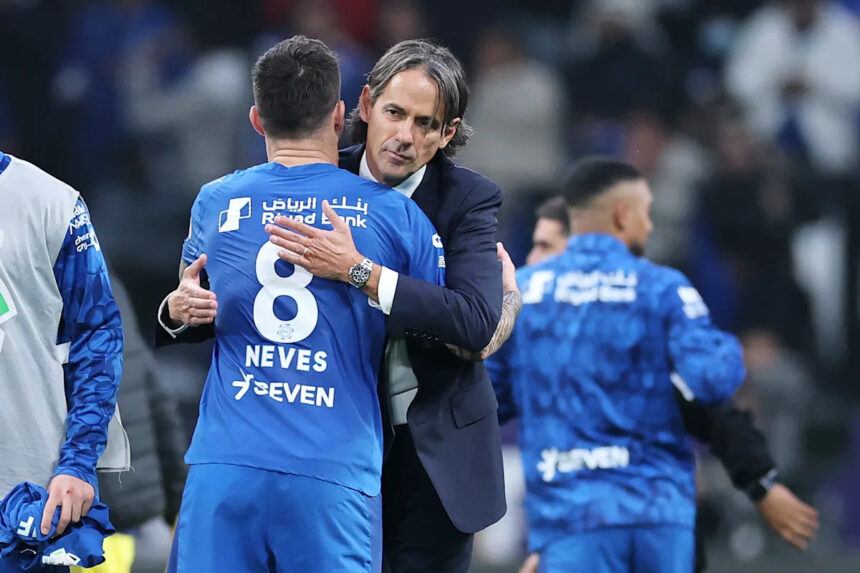
- Guaranteed Prominence & Development Pathway: At Al-Hilal, Meite is likely to be integrated as a key prospect for the future, potentially learning from global stars like Neymar, Aleksandar Mitrovic, and Ruben Neves. The pathway to first-team football, while still competitive, may appear more defined than at Chelsea or United, where squad depth and constant incoming transfers can stall a young player’s progress overnight.
- The Financial Proposition: It would be naive to ignore this element. The life-changing financial package offered by Al-Hilal secures Meite’s future generations in a way even the Premier League’s top salaries for a prospect might not. This allows him to focus purely on football, free from off-pitch concerns.
- A Strategic Career Move: This is not necessarily an “end” move. A successful 3-4 year stint at Al-Hilal, featuring Champions League experience and trophy wins, could see Meite return to Europe at age 22 as a more polished, experienced, and valuable asset. He is betting on himself in a unique environment.
- Project Clarity: Al-Hilal presented a clear and ambitious sporting project centered on domestic dominance and Asian Champions League glory. For a player at his stage, such clarity can be more appealing than joining a club like Chelsea or United, both of whom are in varying states of rebuilding and managerial uncertainty.
The Ripple Effect: Chelsea, United, and the New Market Reality
This transfer sends shockwaves through the recruitment strategies of Europe’s elite. Chelsea’s pursuit, in particular, highlights a reactive and sometimes scattered approach. Their focus on securing Jeremie Jacquet for a fee exceeding £55 million, while missing out on the younger Meite, suggests a scattergun recruitment strategy that can be vulnerable to more decisive operators. For Manchester United, it is another example of being in the conversation but failing to close the deal, raising questions about the speed and persuasiveness of their operations.
Most significantly, this deal confirms Saudi Arabia is no longer just a destination for aging superstars seeking a final payday. The Pro League clubs are now direct, aggressive competitors for the game’s most precious commodity: elite young talent. They offer a viable, lucrative, and competitive alternative to the traditional European pyramid. The battle for teenage talent has just gone global in an unprecedented way, forcing European clubs to reconsider not just their financial offers, but the entire developmental and lifestyle package they present to promising players.
Predictions: What’s Next for Meite, Al-Hilal, and the Transfer Landscape?
The fallout from this transfer will be closely watched. Here is what we can expect:
- For Mohamed Kader Meite: Expect a period of adaptation. The physical and climatic demands of Saudi Arabia are significant. His success will hinge on Al-Hilal’s ability to manage his integration carefully. If he thrives, he will become the poster boy for the next wave of Saudi signings.
- For Al-Hilal and the SPL: This is a landmark signing. It proves their model can attract top-tier prospects. We should anticipate more clubs in the league to follow suit, targeting U-20 stars across Europe and South America, fundamentally altering the flow of talent.
- For Chelsea and United: This miss will intensify scrutiny on their recruitment departments. It may also accelerate their efforts to tie down their own academy stars to long-term deals to prevent similar poaching. The Jeremy Jacquet deal now becomes even more critical for Chelsea to salvage their Rennes mission.
- For the Market: Transfer fees for high-potential teenagers have just been inflated. Agents now have a powerful new lever to pull in negotiations with European clubs: the tangible threat of a Saudi offer. The entire economics of developing and selling young talent have changed overnight.
A New Paradigm in World Football
The signing of Mohamed Kader Meite by Al-Hilal is a watershed moment. It conclusively ends the era where Europe was the undisputed, sole destination for a rising star. This teenager’s choice is a powerful symbol of a multipolar football world where sporting ambition, financial security, and career strategy are being weighed on a new scale. While the Premier League’s prestige remains immense, it is no longer unchallenged. Clubs like Chelsea and Manchester United can no longer assume their brand alone will win the day. They must now sell a more compelling, holistic project than ever before. For Meite, the gamble is immense, but the potential rewards—both on and off the pitch—are a reflection of football’s exciting, uncertain, and radically transformed future. The game’s tectonic plates have shifted, and the aftershocks will be felt in boardrooms and academies across Europe for years to come.
Source: Based on news from Yahoo Sports.